


Metal Clad Switchgears Definition, Benefits And Applications
If you are responsible for purchasing or specifying medium-voltage electrical equipment, safety, reliability, and lifecycle cost are probably at the top of your checklist.
Among the many switchgear options available today, Metal clad switchgears are often considered the premium choice. It offers enhanced personnel protection, superior fault isolation, easier maintenance, and long-term operational reliability. While the initial investment may be higher than other switchgear designs, many facility owners find that the benefits far outweigh the additional cost.
Whether you are planning a new substation, upgrading an industrial facility, or expanding a renewable energy project, understanding how metal clad switchgear works can help you choose the right solution.
What Is Metal Clad Switchgear?
Metal Clad Switchgear Definition
Metal Clad Switchgear is a type of medium-voltage electrical switchgear in which all major electrical components are separated into individual grounded metal compartments.
According to IEEE standards, metal clad switchgear features removable or withdrawable circuit breakers, automatic shutters, mechanical interlocks, and compartmentalized construction that isolates energized parts from maintenance personnel.
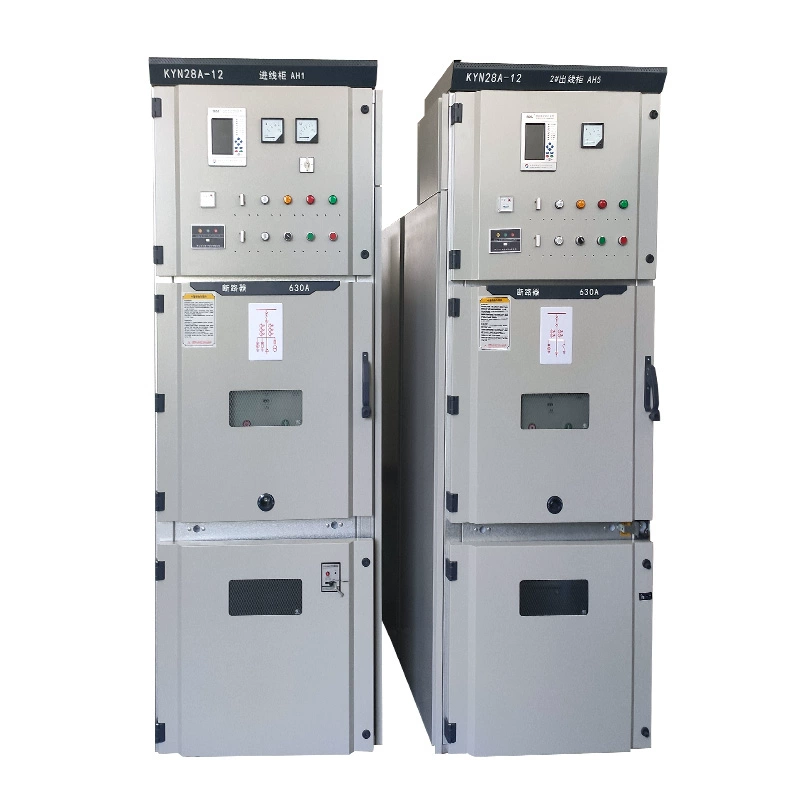
This design significantly improves operational safety compared with traditional switchgear systems.
Simply put, metal clad switchgear allows you to operate, inspect, and maintain critical electrical equipment while minimizing exposure to energized components.
For facilities where electrical continuity is essential, this level of protection can make a substantial difference.
How Metal Clad Switchgear Works
At its core, metal clad switchgear controls, protects, and isolates electrical equipment within a medium-voltage distribution network.
Electricity enters through incoming feeders and is distributed through busbars to outgoing circuits. Circuit breakers monitor system conditions and interrupt fault currents when abnormal conditions occur.
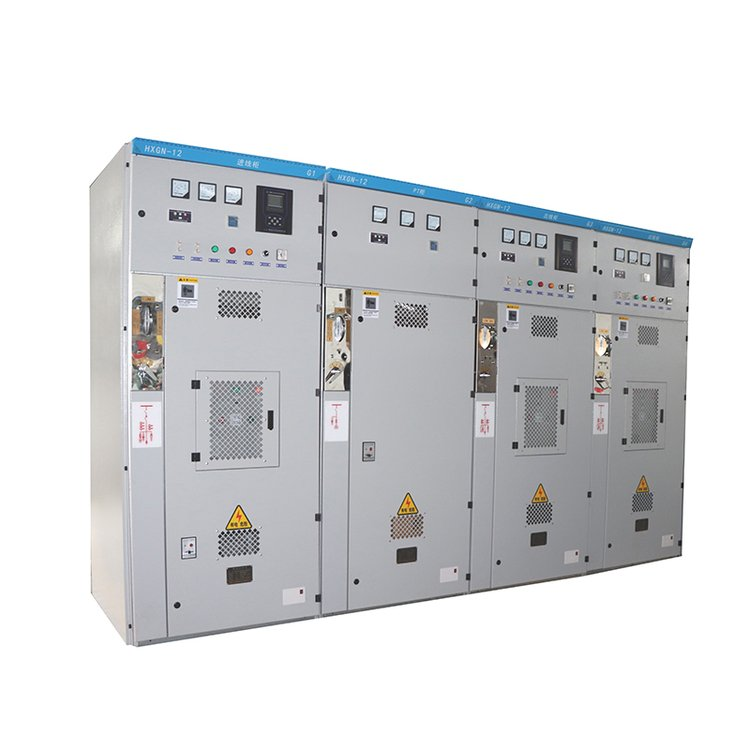
The unique aspect of metal clad switchgear is that every major component is housed in its own compartment.
When maintenance is required, technicians can withdraw the circuit breaker without exposing live busbars or adjacent energized equipment.
This arrangement helps reduce operational risk while improving serviceability.
Main Components Of Metal Clad Switchgear
Several key components work together to ensure safe and reliable performance.
Vacuum Circuit Breaker
The vacuum circuit breaker is the primary switching device.
Vacuum interrupter technology offers:
● High interrupting capability
● Long mechanical life
● Minimal maintenance requirements
● Fast fault clearing
● Environmentally friendly operation
Busbar Compartment
Busbars distribute electrical power throughout the switchgear lineup.
These conductors are insulated and enclosed within dedicated compartments to reduce the possibility of accidental contact and phase-to-phase faults.
Current Transformers
Current transformers provide accurate current measurements for protection and metering systems.
They help relays detect overloads, short circuits, and ground faults.
Voltage Transformers
Voltage transformers convert system voltage into manageable levels for measurement and protection purposes.
Protection Relays
Modern digital relays continuously monitor electrical conditions and initiate breaker operation when faults occur.
Cable Compartment
The cable compartment houses incoming and outgoing power cable connections while maintaining isolation from other energized sections.
Key Features Of Metal Clad Switchgear
The popularity of Metal Clad Switchgear comes from its advanced engineering features designed to maximize safety and reliability.
Compartmentalized Construction
One of the defining characteristics of metal clad switchgear is compartmentalization.
Each major component occupies a separate grounded metal enclosure.
This design helps:
● Prevent fault propagation
● Improve operator safety
● Simplify maintenance
● Reduce outage risks
● Enhance equipment reliability
Imagine a fault occurring in one compartment. Instead of affecting the entire switchgear lineup, the fault can often remain isolated within the affected section.
That containment can save substantial downtime and repair costs.
Withdrawable Circuit Breakers
Unlike fixed-mounted breakers, metal clad switchgear typically uses drawout circuit breakers.
The breaker can move between several positions:
● Connected position
● Test position
● Disconnected position
● Withdrawn position
This flexibility allows maintenance personnel to inspect and test equipment safely without disrupting the entire system.
Many utility operators consider this feature one of the most valuable advantages of metal clad construction.
Automatic Safety Shutters
Safety shutters automatically cover primary disconnect contacts whenever the breaker is withdrawn.
This feature prevents accidental contact with energized conductors.
For procurement teams focused on workplace safety compliance, automatic shutters represent an important layer of protection.
Mechanical And Electrical Interlocks
Interlocking systems ensure that equipment operates only in the proper sequence.
They help prevent dangerous operator errors such as:
● Opening incorrect compartments
● Closing breakers under unsafe conditions
● Accessing energized sections
● Incorrect switching operations
● Improper maintenance procedures
These safeguards significantly reduce human error.
Arc-Resistant Design Options
Many modern switchgear systems offer arc-resistant configurations.
Arc-resistant designs redirect fault energy away from personnel through reinforced structures and pressure relief channels.
In industries such as mining, petrochemicals, and power generation, arc-resistant switchgear is increasingly becoming a project requirement rather than an option.
Table: Key Features And Benefits Of Metal Clad Switchgear
| Feature | Function | Safety Benefit | Maintenance Benefit | Reliability Benefit |
|---|---|---|---|---|
| Compartmentalized Design | Separates components | Reduced exposure to live parts | Easier access | Improved fault isolation |
| Drawout Breakers | Removable switching devices | Safer testing | Faster servicing | Reduced downtime |
| Safety Shutters | Cover energized contacts | Prevent accidental contact | Simplified inspection | Increased protection |
| Interlocks | Prevent incorrect operation | Reduced human error | Safer procedures | Improved system integrity |
| Arc Resistance | Contains arc faults | Personnel protection | Lower damage risk | Enhanced continuity |
Benefits Of Metal Clad Switchgear
When evaluating switchgear options, procurement teams often focus on purchase price.
However, experienced facility owners know that lifecycle performance matters much more.
The true value of Metal Clad Switchgear comes from the long-term benefits it delivers.
Enhanced Personnel Safety
Safety is perhaps the most important advantage.
Electrical accidents can result in injuries, equipment damage, operational disruptions, and regulatory penalties.
Metal clad construction minimizes these risks through:
● Grounded metal barriers
● Automatic shutters
● Drawout breakers
● Arc-resistant options
● Interlocking systems
These features work together to create a safer operating environment.
Improved System Reliability
Reliability is essential for facilities that cannot tolerate power interruptions.
Data centers, manufacturing plants, hospitals, and utility substations all depend on continuous operation.
Metal clad switchgear improves reliability by isolating faults and preventing cascading failures.
If one feeder experiences a fault, the problem can often remain confined to that section without affecting the entire system.
Simplified Maintenance
Maintenance activities become significantly easier.
Technicians can withdraw breakers, perform inspections, and conduct testing without exposing themselves to energized busbars.
This capability reduces maintenance time and improves safety procedures.
In my opinion, this is one of the strongest arguments for choosing metal clad switchgear, especially if your facility operates around the clock.
Reduced Downtime
Unexpected downtime can cost thousands—or even millions—of dollars depending on your industry.
By enabling quicker fault isolation and faster maintenance, metal clad switchgear helps minimize operational interruptions.
For industrial facilities with continuous production processes, this advantage can quickly offset the higher initial equipment cost.
Long Service Life
A properly maintained metal clad switchgear lineup can operate reliably for decades.
Many utility companies continue using switchgear installations that have been in service for more than 30 years.
The durability of modern vacuum circuit breakers further extends equipment lifespan while reducing maintenance frequency.
Case studies from manufacturing facilities frequently show that investing in high-quality switchgear reduces total ownership costs over the long term.
Applications Of Metal Clad Switchgear
After understanding the structure and benefits of Metal Clad Switchgear, the next question is usually straightforward:
“Where should you use it?”
The answer depends on your operational requirements, safety expectations, and long-term reliability goals.
While metal clad switchgear can be found in almost every medium-voltage power system, certain industries benefit more from its advanced safety and maintenance features.
Utility Substations
Utility companies operate some of the most demanding electrical networks in the world.
Power interruptions affect thousands—or sometimes millions—of users, making reliability a top priority.
Metal clad switchgear is widely used in:
● Distribution substations
● Switching stations
● Grid modernization projects
● Urban power networks
● Rural electrification systems
Because every compartment is isolated, utilities can perform maintenance activities with minimal impact on adjacent circuits.
For example, a regional utility upgrading its 15kV distribution network may install metal clad switchgear with withdrawable vacuum circuit breakers. During routine inspections, breakers can be tested individually without exposing operators to energized bus sections.
This capability improves worker safety while reducing outage durations.
Industrial Manufacturing Facilities
Industrial plants often experience harsh operating environments.
Dust, vibration, humidity, temperature fluctuations, and continuous production schedules place significant demands on electrical equipment.
Industries commonly using metal clad switchgear include:
● Steel manufacturing
● Cement production
● Chemical processing
● Automotive manufacturing
● Food and beverage facilities
● Pulp and paper mills
Imagine a steel mill operating 24 hours a day.
A single electrical failure could stop production lines, damage raw materials, and create costly delays.
Because metal clad switchgear offers superior fault isolation and fast maintenance access, many industrial operators view it as an investment rather than an expense.
From a procurement perspective, the slightly higher initial cost often translates into lower lifecycle costs.
Commercial Buildings And Infrastructure
Large commercial facilities require stable power distribution systems to support daily operations.
Common applications include:
● Airports
● Hospitals
● Universities
● Shopping centers
● Convention centers
● Government facilities
Hospitals provide a particularly good example.
Life-support systems, operating rooms, and emergency services cannot tolerate unexpected electrical interruptions.
Metal clad switchgear helps maintain operational continuity while meeting strict safety requirements.
Data Centers
Data centers represent one of the fastest-growing markets for medium-voltage switchgear.
Every minute of downtime can result in substantial financial losses.
Data center operators prioritize:
● Maximum uptime
● Redundant power systems
● Predictable maintenance schedules
● High fault-clearing capability
● Personnel safety
The compartmentalized design of metal clad switchgear supports these goals by minimizing the risk of fault propagation and simplifying maintenance activities.
Many hyperscale facilities specify arc-resistant switchgear configurations for additional protection.
Mining, Oil And Gas Facilities
Mining and energy projects frequently operate in remote and demanding environments.
Equipment must withstand:
● Dust
● Moisture
● Extreme temperatures
● Mechanical stress
● Continuous operation
Metal clad switchgear offers the durability and protection necessary for these conditions.
Whether powering conveyor systems, drilling operations, pumps, or processing equipment, the ability to isolate faults quickly can significantly improve operational reliability.
Metal Clad Switchgear Vs Metal Enclosed Switchgear
One of the most common questions buyers ask is:
“Should I choose metal clad switchgear or metal enclosed switchgear?”
Although the names sound similar, the two designs differ significantly in safety, maintenance accessibility, and overall performance.
Structural Differences
The primary difference lies in compartmentalization.
Metal clad switchgear separates major components into individual grounded metal compartments.
Metal enclosed switchgear generally places multiple components within a shared enclosure.
This means that maintenance activities in metal enclosed equipment often expose personnel to a larger portion of the energized system.
Metal clad designs provide a higher level of separation and protection.
Safety Comparison
Safety is often the deciding factor.
Metal clad switchgear includes:
● Grounded barriers
● Automatic shutters
● Drawout breakers
● Advanced interlocks
● Arc-resistant options
These features significantly reduce operator exposure to energized conductors.
Metal enclosed switchgear may provide adequate protection for many applications, but it generally offers fewer built-in safety features.
For facilities with strict safety requirements, metal clad switchgear is usually the preferred solution.
Maintenance Comparison
Maintenance procedures differ substantially.
With metal clad switchgear, technicians can withdraw breakers and perform inspections without exposing live busbars.
Maintenance activities become faster, safer, and more predictable.
Metal enclosed switchgear often requires more extensive isolation procedures before servicing equipment.
Over the life of the equipment, this difference can translate into significant labor savings.
Reliability Comparison
Reliability is closely linked to fault containment.
A compartmentalized metal clad design helps prevent faults from spreading to adjacent sections.
Metal enclosed equipment may not provide the same degree of isolation.
For mission-critical applications, this distinction can be extremely important.
Cost Comparison
Metal enclosed switchgear generally costs less initially.
However, focusing solely on purchase price can be misleading.
When evaluating equipment, you should also consider:
● Maintenance costs
● Downtime costs
● Safety risks
● Lifecycle expenses
● Operational efficiency
Many organizations discover that metal clad switchgear offers better value over its entire service life.
Metal Clad Switchgear Vs Metal Enclosed Switchgear
| Feature | Metal Clad Switchgear | Metal Enclosed Switchgear |
|---|---|---|
| Component Separation | Individual compartments | Shared enclosures |
| Circuit Breaker Type | Withdrawable | Fixed or withdrawable |
| Safety Level | Very High | Moderate |
| Maintenance Access | Excellent | Limited |
| Fault Isolation | Superior | Standard |
| Initial Cost | Higher | Lower |
How To Choose The Right Metal Clad Switchgear
Selecting the correct switchgear involves much more than comparing prices.
The best procurement decisions consider performance requirements, operating conditions, and long-term ownership costs.
Evaluate Voltage Requirements
Medium-voltage systems typically range from 3.3kV to 40.5kV.
Common ratings include:
● 7.2kV
● 12kV
● 24kV
● 36kV
● 40.5kV
Your switchgear must match system voltage requirements while allowing sufficient safety margins.
Determine Current Ratings
Current ratings influence both performance and equipment sizing.
Factors affecting current selection include:
● Transformer capacity
● Load demand
● Future expansion
● Operating conditions
● Ambient temperature
Choosing an undersized system can create long-term operational challenges.
Consider Short-Circuit Capacity
Fault levels vary significantly between installations.
The switchgear must safely withstand and interrupt the maximum available fault current.
Failure to account for fault current requirements can compromise both equipment and personnel safety.
Review Protection Requirements
Modern facilities increasingly rely on intelligent protection systems.
Digital relays provide:
● Fault detection
● Event recording
● Remote monitoring
● Predictive maintenance support
● Communication capabilities
Advanced protection improves reliability and simplifies troubleshooting.
Assess Environmental Conditions
Environmental factors often influence equipment selection.
Consider:
● Indoor or outdoor installation
● Altitude
● Humidity
● Dust levels
● Corrosive environments
For challenging locations, additional protective measures may be required.
Verify Compliance Standards
International projects frequently require compliance with recognized standards.
Common standards include:
● IEEE C37.20.2
● IEC 62271 Series
● ANSI standards
● Local utility specifications
Working with a manufacturer that understands global compliance requirements can simplify project execution.
Maintenance Best Practices For Metal Clad Switchgear
Even the most advanced switchgear requires regular maintenance.
Proper maintenance improves reliability, extends equipment life, and reduces unexpected failures.
Conduct Routine Visual Inspections
Routine inspections often identify developing issues before they become major problems.
Look for:
● Dust accumulation
● Loose hardware
● Corrosion
● Moisture intrusion
● Abnormal wear
Simple inspections frequently prevent expensive repairs.
Perform Circuit Breaker Testing
Vacuum circuit breakers should be tested periodically to verify proper operation.
Testing may include:
● Contact resistance measurement
● Mechanical operation checks
● Timing tests
● Insulation resistance testing
● Functional verification
Regular testing helps maintain protection system integrity.
Use Thermal Imaging
Infrared thermography is one of the most effective predictive maintenance tools available.
Thermal scans can identify:
● Loose connections
● Overloaded circuits
● Deteriorating contacts
● Abnormal heating patterns
Addressing these issues early helps prevent unexpected outages.
Verify Protection Relay Performance
Protection relays serve as the brain of the switchgear system.
Periodic testing ensures:
● Correct settings
● Proper communication
● Accurate fault detection
● Reliable breaker operation
Relay verification should be part of every maintenance program.
Implement Preventive Maintenance Programs
Facilities with structured maintenance programs typically experience fewer failures and lower lifecycle costs.
An effective program focuses on:
● Scheduled inspections
● Equipment testing
● Data analysis
● Condition monitoring
● Continuous improvement
In many cases, preventive maintenance costs only a fraction of emergency repairs.
Recommended External Resources
For additional technical guidance, you can reference:
● IEEE Power & Energy Society
● IEC Standards for High-Voltage Switchgear
● National Electrical Manufacturers Association (NEMA)
● International Electrotechnical Commission (IEC)
● Electrical Safety Foundation International (ESFI)
These organizations publish valuable information regarding switchgear design, operation, and safety practices.
In the next section, we will explore why global buyers are increasingly choosing Beiye Electric for medium-voltage switchgear projects, followed by 20 SEO-focused FAQs and a conversion-oriented conclusion.
Why Choose Beiye Electric Metal Clad Switchgear
When you invest in medium-voltage distribution equipment, you are not simply purchasing a product. You are choosing a long-term partner whose technology, manufacturing quality, and technical support will directly influence the reliability of your electrical system.
This is where Beiye Electric stands out.
As a professional manufacturer of medium-voltage power distribution equipment, Beiye Electric provides reliable, safe, and customized Metal Clad Switchgear solutions for utilities, industrial facilities, renewable energy projects, infrastructure developments, and commercial applications worldwide.
Whether your project requires a standard switchgear lineup or a highly customized solution, Beiye Electric focuses on delivering equipment that combines international quality standards with competitive project economics.
Advanced Manufacturing Capabilities
Modern switchgear performance begins with manufacturing precision.
Beiye Electric utilizes advanced production processes to ensure consistency, reliability, and long-term performance.
Key manufacturing strengths include:
● Precision sheet metal fabrication
● Automated production processes
● Strict quality control procedures
● Professional assembly and testing
● Continuous product improvement
Every switchgear lineup undergoes comprehensive inspection before shipment to ensure compliance with project specifications.
For procurement teams, this translates into reduced installation risks and greater confidence during commissioning.
Compliance With International Standards
Global projects often require compliance with recognized electrical standards.
Beiye Electric designs and manufactures switchgear solutions according to applicable international requirements, including:
● IEC 62271 standards
● Medium-voltage switchgear requirements
● Utility-specific specifications
● Industrial project standards
● Renewable energy project requirements
Compliance helps simplify project approvals while ensuring reliable long-term performance.
Flexible Customization Options
No two projects are exactly alike.
A solar power plant has different requirements than a steel mill.
A data center has different priorities than a mining facility.
Beiye Electric offers customization options designed to match specific project requirements.
Customization may include:
● Voltage ratings
● Current ratings
● Protection configurations
● Communication protocols
● Arc-resistant designs
● Indoor or outdoor applications
This flexibility allows buyers to obtain equipment tailored to operational requirements rather than adapting their projects to standard equipment limitations.
Comprehensive Quality Assurance
Quality assurance is more than a final inspection.
It is a process integrated throughout manufacturing.
At Beiye Electric, quality control includes:
● Incoming material inspections
● Production monitoring
● Mechanical testing
● Electrical testing
● Factory acceptance testing
Each step helps ensure that the finished switchgear meets performance expectations before delivery.
For critical applications, this attention to detail can significantly reduce operational risks.
Support For Global Projects
International buyers often face challenges related to logistics, documentation, compliance, and technical communication.
Beiye Electric supports global customers with:
● Technical consultation
● Engineering assistance
● Project documentation
● Product customization
● After-sales support
This approach helps simplify procurement and project execution from initial inquiry through commissioning.
A Practical Example
Consider a renewable energy developer building a 50MW solar power plant.
The project requires reliable medium-voltage distribution equipment capable of operating continuously in a demanding outdoor environment.
The developer’s priorities include:
● High reliability
● Low maintenance requirements
● Compliance with international standards
● Competitive project costs
● Long equipment lifespan
By selecting a properly designed metal clad switchgear solution, the project benefits from improved safety, simplified maintenance, and enhanced system reliability throughout its operating life.
This scenario reflects why many project developers increasingly choose modern metal clad switchgear solutions for mission-critical infrastructure.
FAQ About Metal Clad Switchgear
What Voltage Range Does Metal Clad Switchgear Support?
Most metal clad switchgear systems operate between 3.3kV and 40.5kV, depending on project requirements and design specifications.
Why Is Metal Clad Switchgear Considered Safer?
Its compartmentalized design, automatic shutters, drawout breakers, and interlocking mechanisms help reduce exposure to energized components.
What Is A Drawout Circuit Breaker?
A drawout breaker can be moved between connected, test, disconnected, and withdrawn positions for safer maintenance and testing.
Are Vacuum Circuit Breakers Common In Metal Clad Switchgear?
Yes. Vacuum circuit breakers are widely used because of their high reliability, long service life, and low maintenance requirements.
What Industries Use Metal Clad Switchgear?
Common industries include utilities, manufacturing, renewable energy, mining, oil and gas, healthcare, transportation, and data centers.
Can Metal Clad Switchgear Be Installed Outdoors?
Yes. Outdoor-rated configurations are available when projects require exposure to environmental conditions.
How Long Does Metal Clad Switchgear Last?
With proper maintenance, many systems operate reliably for 25 to 40 years or longer.
How Often Should Metal Clad Switchgear Be Maintained?
Maintenance schedules vary by application, but most facilities perform inspections annually and conduct comprehensive testing at regular intervals.
Does Metal Clad Switchgear Reduce Downtime?
Yes. Improved fault isolation and easier maintenance procedures help minimize operational interruptions.
Can Metal Clad Switchgear Be Customized?
Absolutely. Manufacturers can customize voltage ratings, current ratings, protection systems, communication interfaces, and enclosure designs.
What Standards Apply To Metal Clad Switchgear?
Common standards include IEC 62271, IEEE C37.20.2, ANSI requirements, and local utility specifications.
Is Metal Clad Switchgear Suitable For Renewable Energy Projects?
Yes. It is widely used in solar farms, wind power facilities, battery storage systems, and hybrid energy projects.
What Is The Typical Current Rating?
Current ratings vary widely depending on project requirements and can range from several hundred amps to several thousand amps.
How Does Metal Clad Switchgear Improve Reliability?
Compartmentalization helps isolate faults and prevent failures from spreading throughout the system.
Can Digital Protection Relays Be Integrated?
Yes. Modern metal clad switchgear frequently includes advanced digital relays with communication and monitoring capabilities.
How Do I Choose The Right Metal Clad Switchgear Supplier?
Look for a manufacturer with proven engineering expertise, international project experience, customization capabilities, strong quality control procedures, and responsive technical support.
Conclusion
Metal Clad Switchgear has become one of the most trusted solutions for medium-voltage power distribution because it combines exceptional safety, operational reliability, maintenance flexibility, and long-term value. Whether you are managing a utility substation, industrial facility, renewable energy project, data center, or commercial infrastructure development, selecting the right switchgear can significantly impact system performance and lifecycle costs.
By understanding the definition, features, benefits, and applications of Metal Clad Switchgear, you can make more informed purchasing decisions and reduce long-term operational risks.
If you are looking for a reliable partner for your next medium-voltage project, Beiye Electric offers professionally engineered Metal Clad Switchgear solutions designed to meet international standards and project-specific requirements.
Contact Beiye Electric today to discuss your project requirements, request technical specifications, or receive a customized quotation from our engineering team.


