


How To Choose 12KV,15KV Or 38KV Metal Clad Switchgear
Choosing the right metal clad switchgear is one of the most important decisions in any medium-voltage power distribution project. Whether you are building an industrial facility, upgrading a utility network, or designing a substation, selecting the correct voltage class directly affects safety, reliability, installation costs, and future expansion possibilities. This guide explains how to choose between 12KV metal clad switchgear, 15KV metal clad switchgear, and 38KV metal clad switchgear while helping you understand key standards, applications, and supplier selection criteria.
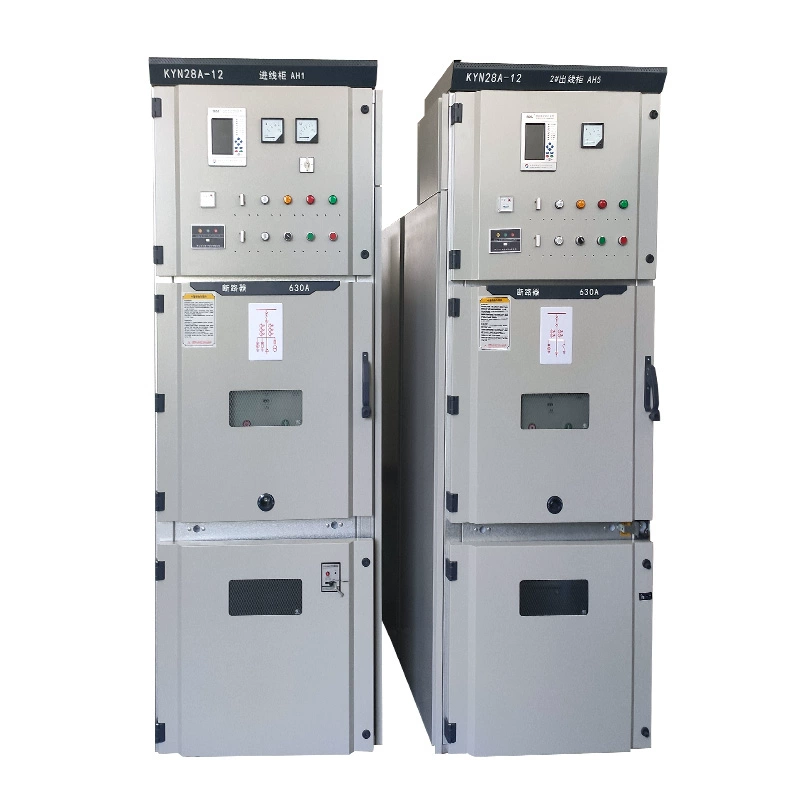
How To Choose 12KV,15KV Or 38KV Metal Clad Switchgear
When evaluating switchgear solutions, voltage rating is only one part of the equation. You should also consider application requirements, installation environment, maintenance resources, and long-term operating costs.
Rated Voltage
The first step is understanding the required system voltage.
| Voltage Class | Typical System Voltage | Common Industries | Recommended Use |
|---|---|---|---|
| 12KV | 6KV–10KV | Manufacturing, commercial facilities | Internal power distribution |
| 15KV | 13.8KV systems | Utilities, industrial plants | Medium-voltage networks |
| 38KV | 34.5KV systems | Substations, power transmission | High-capacity distribution |
12KV Metal Clad Switchgear is commonly used in factories, mining facilities, hospitals, and commercial buildings.
15KV Metal Clad Switchgear is popular in utility distribution systems across North America and many developing regions.
38KV Metal Clad Switchgear is typically selected for large substations and high-capacity industrial power systems where greater transmission capability is required.
Typical Application
Different industries require different switchgear configurations.
For example, a cement manufacturing plant may only require 12KV switchgear for internal distribution, while a regional utility company often relies on 38KV equipment to manage feeder lines and substations.
Common applications include:
- Industrial manufacturing facilities
- Mining operations
- Renewable energy plants
- Utility distribution networks
- Data centers
- Oil and gas facilities
A solar power developer in Africa recently selected 15KV metal clad switchgear for a 50MW photovoltaic project because it offered the ideal balance between cost and system capacity.
Equipment Size
As voltage ratings increase, equipment dimensions generally become larger.
38KV systems require:
- Larger insulation clearances
- Bigger circuit breaker compartments
- Higher dielectric strength
- Larger busbar arrangements
- More installation space
If your electrical room has limited floor space, 12KV or 15KV switchgear may offer significant advantages.
Many procurement managers overlook this factor during the planning stage and later face costly building modifications.
Installation Cost
Installation costs extend beyond the equipment purchase price.
Factors include:
- Civil construction work
- Cable routing requirements
- Foundation preparation
- Protection and control integration
- Commissioning services
Generally speaking, 38KV switchgear installations involve higher engineering complexity and labor expenses than 12KV systems.
However, selecting a lower voltage simply to save initial costs may create future capacity limitations.
The smartest buyers evaluate total lifecycle value rather than focusing solely on capital expenditure.
Maintenance Complexity
Maintenance requirements increase with system complexity.
Typical maintenance activities include:
- Circuit breaker inspections
- Busbar cleaning
- Protection relay testing
- Insulation resistance measurement
- Mechanical operation checks
Modern vacuum circuit breakers have significantly reduced maintenance requirements compared with older oil-based technologies.
A utility customer that upgraded from oil circuit breakers to vacuum-based 15KV metal clad switchgear reported reduced annual maintenance downtime by nearly 40%.
How To Choose
After evaluating voltage ratings and applications, you should establish a clear selection process.
Start by understanding your actual system requirements rather than simply copying specifications from previous projects.
Consider the following:
- Future load growth projections
- Available installation space
- Short-circuit current levels
- Utility interconnection requirements
- Environmental conditions
- Expansion possibilities
Ask yourself an important question:
“Will this switchgear still meet my requirements ten years from now?”
Many experienced engineers recommend planning for at least 20% future capacity growth.
For example, if your current load requires a 12KV system but expansion plans suggest significant growth within five years, investing in a higher-capacity solution may be justified.
The right choice balances technical performance, operational flexibility, and long-term investment value.
Metal Clad Switchgear Standard Requirements You Must Know
Understanding Metal Clad Switchgear Standard requirements is critical for ensuring safety and compliance.
The most recognized standards include:
- IEEE C37.20.2
- IEC 62271-200
- ANSI standards
- IEC 60044 instrument transformer standards
- IEC 60255 protection relay standards
According to IEEE and IEC requirements, metal clad switchgear must provide compartmentalized construction that separates major components such as:
- Circuit breakers
- Busbars
- Cable compartments
- Control equipment
- Instrument transformers
This design minimizes fault propagation and enhances personnel safety.
Key requirements generally include:
- Arc-resistant design options
- Internal fault containment
- Mechanical interlocking systems
- Grounding protection
- Dielectric withstand capability
Reliable references:
- IEEE C37 Series Standards
- IEC 62271-200 Medium Voltage Switchgear Standards
- International Electrotechnical Commission (IEC)
When requesting quotations, always verify compliance certificates and factory testing reports.
How Metal Clad Switchgear Fits Into A Modern Substation
A Metal Clad Switchgear Substation serves as the central control point for power distribution.
Modern substations are becoming increasingly intelligent, incorporating automation, remote monitoring, and predictive maintenance technologies.
Within a substation, metal clad switchgear performs several critical functions:
- Power switching
- Fault isolation
- Circuit protection
- Load control
- System monitoring
- Grid reliability enhancement
A typical substation configuration includes:
Incoming utility feeders, transformers, protection systems, switchgear lineups, SCADA systems, and outgoing distribution feeders.
Imagine a utility substation supplying power to an industrial zone.
When a fault occurs on one feeder, the switchgear rapidly isolates the affected circuit while maintaining service continuity to other customers.
This capability significantly reduces outage duration and improves network reliability.
Today’s intelligent switchgear can also provide:
- Real-time diagnostics
- Thermal monitoring
- Remote operation
- Event recording
- Predictive maintenance alerts
These features are becoming increasingly important as utilities modernize their grids.
How To Select The Right Metal Clad Switchgear Manufacturer
Choosing the right supplier may be just as important as selecting the correct voltage rating.
Not all manufacturers offer the same engineering capabilities, quality standards, or after-sales support.
When evaluating suppliers, focus on:
Manufacturing Experience
Look for companies with extensive experience in medium-voltage switchgear production.
Experienced manufacturers understand global utility requirements and can provide proven solutions.
Engineering Capability
A strong engineering team should offer:
- System design support
- Custom configuration services
- Protection coordination assistance
- Technical documentation
- Site commissioning support
Quality Assurance
Verify whether the manufacturer performs:
- Routine factory tests
- Type testing
- Partial discharge testing
- Mechanical endurance testing
- High-voltage withstand testing
Customization Capability
Every project is different.
Reliable manufacturers can customize:
- Panel dimensions
- Protection relay brands
- Communication protocols
- Arc-resistant designs
- Busbar ratings
Global Project Experience
A supplier with international project references often demonstrates stronger quality control and logistics management capabilities.
For example, many EPC contractors working in Africa, Southeast Asia, and the Middle East prefer manufacturers that can provide complete technical documentation, multilingual support, and rapid spare parts availability.
After-Sales Service
Strong after-sales support should include:
- Technical training
- Remote troubleshooting
- Spare parts supply
- Field service support
- Warranty coverage
For procurement teams, supplier responsiveness often becomes a deciding factor when evaluating long-term partnerships.
FAQ
Why Is Metal Clad Switchgear Safer?
Metal clad switchgear separates critical components into grounded metal compartments, reducing fault propagation and improving personnel safety. Arc-resistant designs provide additional protection during internal faults.
What Factors Affect Switchgear Pricing?
Pricing depends on voltage rating, current capacity, circuit breaker type, protection relays, arc-resistant features, customization requirements, and project specifications.
Can Metal Clad Switchgear Be Customized?
Yes. Manufacturers commonly customize protection schemes, panel layouts, communication interfaces, busbar ratings, and enclosure designs according to project needs.
How Much Does Metal Clad Switchgear Cost?
Costs vary significantly based on voltage class and configuration. A 12KV lineup generally costs less than a 38KV system because of lower insulation and engineering requirements.
How Often Should Switchgear Be Maintained?
Most manufacturers recommend annual inspections, with detailed preventive maintenance performed every three to five years depending on operating conditions.
What Is The Lifespan Of Metal Clad Switchgear?
Properly maintained metal clad switchgear can operate reliably for 25 to 40 years or longer.
Metal Clad Switchgear Meaning And Why It Matters
The Metal Clad Switchgear Meaning refers to medium-voltage switchgear with grounded metal barriers separating all major components into individual compartments. This design enhances safety, reliability, and maintainability.
What Voltage Range Does Metal Clad Switchgear Cover?
Metal clad switchgear typically covers voltage classes ranging from approximately 3.3KV to 38KV, depending on system requirements and standards.
How Does Metal Clad Switchgear Work In A Substation?
It controls, protects, and isolates electrical circuits while distributing power throughout the substation and connected networks.
What Breaker Types Are Used In Metal Clad Switchgear?
Vacuum circuit breakers are the most common choice today because they offer excellent reliability, long service life, and low maintenance requirements.
How Can I Request Customized Metal Clad Switchgear Solution?
Provide your single-line diagram, system voltage, fault current level, protection requirements, and installation conditions to the manufacturer for engineering evaluation.
What Is The Difference Between Metal Clad And Metal Enclosed Switchgear?
Metal clad switchgear uses compartmentalized construction with grounded metal barriers separating major components. Metal enclosed switchgear may not provide the same level of compartmentalization and accessibility.
Conclusion
Selecting the right switchgear is not simply about choosing a voltage class. You must carefully evaluate application requirements, future expansion plans, installation conditions, maintenance expectations, and compliance with Metal Clad Switchgear Standard requirements. Whether you need 12KV Metal Clad Switchgear, 15KV Metal Clad Switchgear, or 38KV Metal Clad Switchgear, the ideal solution should deliver safety, reliability, operational flexibility, and long-term value.
If you are planning a new substation project or upgrading an existing power distribution system, the engineering team at Beiye Electric can help you identify the most suitable switchgear configuration based on your technical specifications and project objectives. Contact us today to discuss your customized metal clad switchgear solution and receive expert support for your next power infrastructure project.


