

What Is Switchgear? Types, Components & Complete Guide for Industrial Buyers
Switchgear is a critical component in modern power distribution systems, ensuring safety, control, and reliability. Whether you’re sourcing from China switchgear manufacturers or comparing different switchgear types, understanding how switchgear works can help you make smarter purchasing decisions.
What Is Switchgear?
Switchgear refers to a combination of electrical disconnect switches, fuses, or circuit breakers used to control, protect, and isolate electrical equipment.
In simple terms, switchgear:
- Controls power flow
- Protects electrical systems from faults
- Ensures safe maintenance
It is widely used in:
- Power plants
- Industrial facilities
- Commercial buildings
- Renewable energy systems
Main Types of Switchgear
Understanding different types of switchgear is essential when selecting the right system.
Low Voltage Switchgear
Low voltage switchgear is typically used for systems below 1kV.
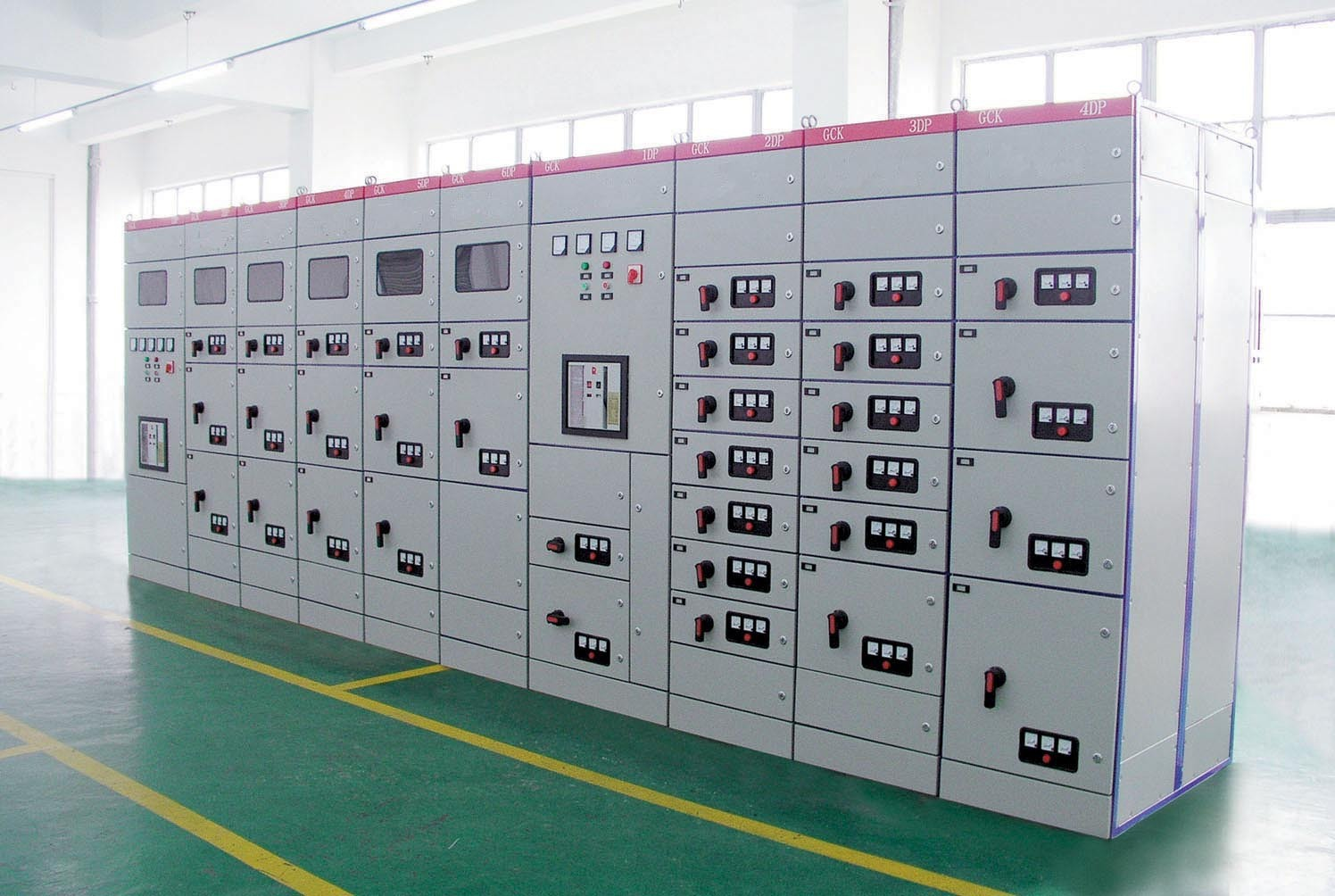 Applications:
- Commercial buildings
- Factories
- Data centers
Key features:
- Compact design
- Easy maintenance
- Cost-effective
Medium Voltage Switchgear
Used for 1kV to 36kV applications.
Common in:
- Utility substations
- Industrial power distribution
High Voltage Switchgear
High voltage switchgear designed for systems above 36kV.
Used in:
- Power transmission networks
- Large-scale infrastructure
Types of Switchgear by Insulation Method
Gas Insulated Switchgear (GIS)
Gas insulated switchgear uses SF6 gas for insulation.
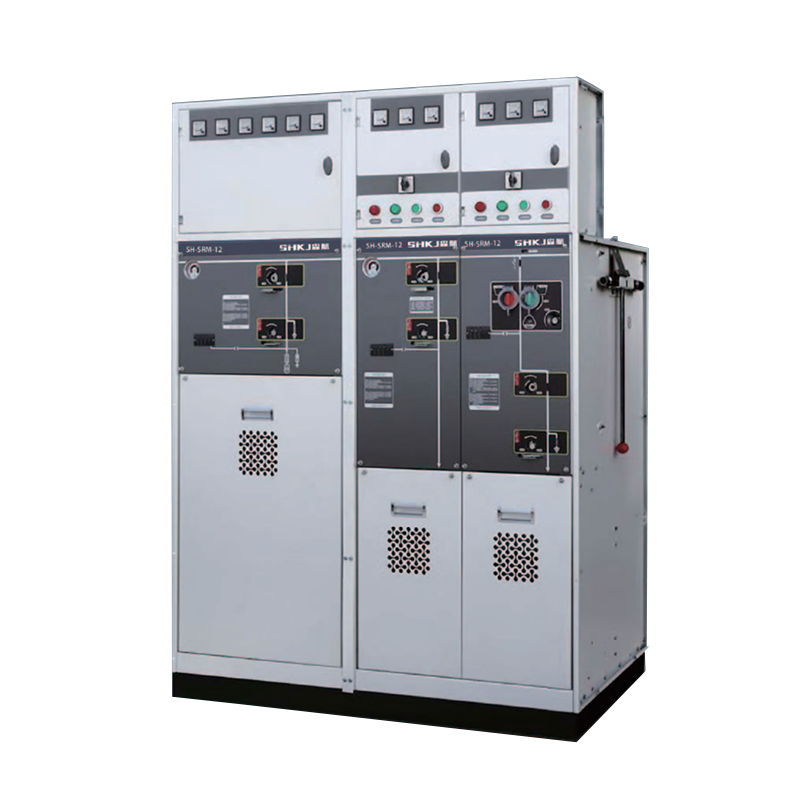
Advantages:
- Compact size
- High reliability
- Suitable for harsh environments
SF6 Gas Insulated Switchgear
SF6 switchgear is widely used due to its excellent dielectric properties.
Key benefits:
- High insulation strength
- Arc quenching capability
- Long service life
Dry Air Insulated Switchgear
An eco-friendly alternative to SF6.
Why it matters:
- No greenhouse gas emissions
- Increasing global demand
Vacuum Switchgear
Uses vacuum interrupters to extinguish arcs.
Best for:
- Medium voltage applications
- Frequent switching operations
Key Components of Electrical Switchgear
Understanding switchgear components helps buyers evaluate product quality.
| Component | Function |
|---|---|
| Circuit Breaker | Interrupts fault currents |
| Disconnect Switch | Isolates equipment |
| Busbar | Conducts electricity |
| Protection Relay | Detects faults |
| Control Panel | Operates the system |
What Is Metal Clad Switchgear?
Metal clad switchgear is a type of switchgear where all components are enclosed in grounded metal compartments.
Key advantages:
- Enhanced safety
- Better fault isolation
- Modular design
Metal Clad vs Metal Enclosed Switchgear
| Feature | Metal Clad | Metal Enclosed |
|---|---|---|
| Safety | Higher | Moderate |
| Maintenance | Easier | More complex |
| Cost | Higher | Lower |
| Application | Critical systems | General use |
What Are Drawout Switchgear Systems?
Drawout switchgear allows circuit breakers to be removed for maintenance without shutting down the entire system.
Benefits:
- Reduced downtime
- Safer maintenance
- Higher flexibility
What Is RMU Switchgear?
Ring Main Unit (RMU) switchgear is commonly used in medium voltage distribution networks.
Features:
- Compact design
- High reliability
- Ideal for urban power grids
How to Choose the Right Switchgear Supplier
When sourcing from switchgear manufacturers, consider:
Key Factors:
- Manufacturing experience
- Product certifications (IEC, ANSI)
- Customization capability
- Export experience
- After-sales support
Why Choose China Switchgear Manufacturers?
China has become a global hub for electrical switchgear production.
Advantages:
- Competitive pricing
- Mature supply chain
- Large-scale production capacity
- Flexible OEM/ODM services
Conclusion
Switchgear plays a vital role in ensuring electrical safety and system reliability. From low voltage switchgear to advanced GIS systems, choosing the right type and supplier is essential for long-term performance.
If you’re looking for a reliable electrical switchgear manufacturer, understanding types, components, and technologies will help you make a confident and cost-effective decision.
FAQs
What is switchgear used for?
Switchgear is used to control, protect, and isolate electrical systems.
What is the difference between GIS and AIS?
GIS uses gas insulation (SF6), while AIS uses air insulation.
Is SF6 switchgear safe?
Yes, it is safe when properly maintained, but environmental concerns are increasing.
What is low voltage switchgear?
It refers to systems operating below 1kV, commonly used in buildings and factories.
What are the main components of switchgear?
Circuit breakers, busbars, relays, disconnect switches, and control panels.


