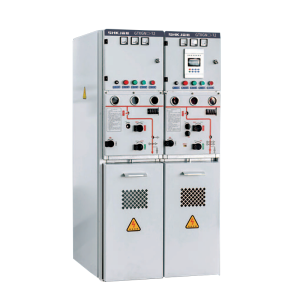
What Is an HV Ring Main Unit and How It Works
In modern power distribution systems, reliability, safety, and efficient energy management are critical requirements for utilities, industrial facilities, and infrastructure projects. An HV Ring Main Unit (RMU) is a compact medium-voltage switchgear solution designed to improve power distribution reliability and fault protection. As a professional China Ring Main Unit manufacturer, Beiye Electric provides customized HV RMU solutions for global power projects, offering reliable performance, OEM support, and quality-controlled manufacturing.
What Is an HV Ring Main Unit
An HV Ring Main Unit (HV RMU) is a factory-assembled electrical switchgear device used in medium-voltage distribution networks to control, protect, and isolate electrical circuits. It is mainly installed in ring-type power distribution systems where continuous power supply and fast fault isolation are required.
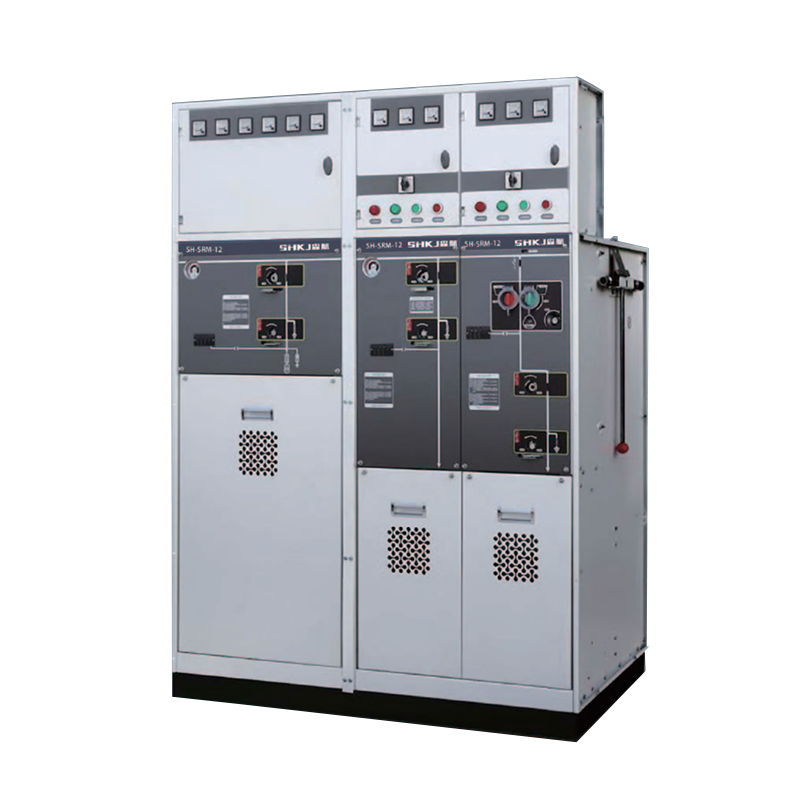
A High Voltage Ring Main Unit usually integrates multiple functional components, including load break switches, circuit breakers, earthing switches, busbars, and protection systems, into a compact metal-enclosed unit.
Unlike traditional switchgear systems that require multiple separate panels, an Electrical Ring Main Unit combines switching and protection functions in a space-saving design, making it widely used in urban grids, industrial plants, renewable energy projects, and commercial power networks.
| Item | Description |
|---|---|
| Product Name | HV Ring Main Unit |
| Main Function | Power distribution, circuit switching, fault isolation, and protection |
| Application Voltage | Medium voltage distribution systems |
| Installation Location | Utility networks, industrial facilities, commercial buildings, renewable energy projects |
| Main Advantages | Compact design, high reliability, easy maintenance, improved safety |
Why Is an HV RMU Important in Power Distribution?
Power distribution networks require equipment that can maintain electricity supply even when faults occur. Traditional radial distribution systems may cause large-scale power interruptions when a single section fails.
An RMU Ring Main Unit solves this problem by creating a looped power distribution structure. When one section of the network experiences a fault, the affected part can be isolated while the remaining network continues supplying electricity.
The main benefits include:
- Improved power supply continuity
- Faster fault isolation and restoration
- Reduced downtime for industrial users
- Enhanced operator safety
- Lower maintenance requirements
For global electrical contractors and distributors, selecting a reliable High Voltage Ring Main Unit manufacturer is essential because RMU performance directly affects grid stability and operational safety.
HV Ring Main Unit vs Traditional Switchgear
Although both HV RMU and traditional switchgear are used for medium-voltage power distribution, their designs and applications are different.
| Comparison | HV Ring Main Unit | Traditional Switchgear |
|---|---|---|
| Structure | Compact integrated unit | Multiple independent panels |
| Installation Space | Requires less space | Requires larger installation area |
| Network Application | Mainly used in ring distribution networks | Used in various distribution systems |
| Maintenance | Simple inspection and operation | More complex maintenance procedures |
| Typical Users | Utilities, commercial buildings, industrial projects | Large substations and complex power systems |
How High Voltage Ring Main Unit Works
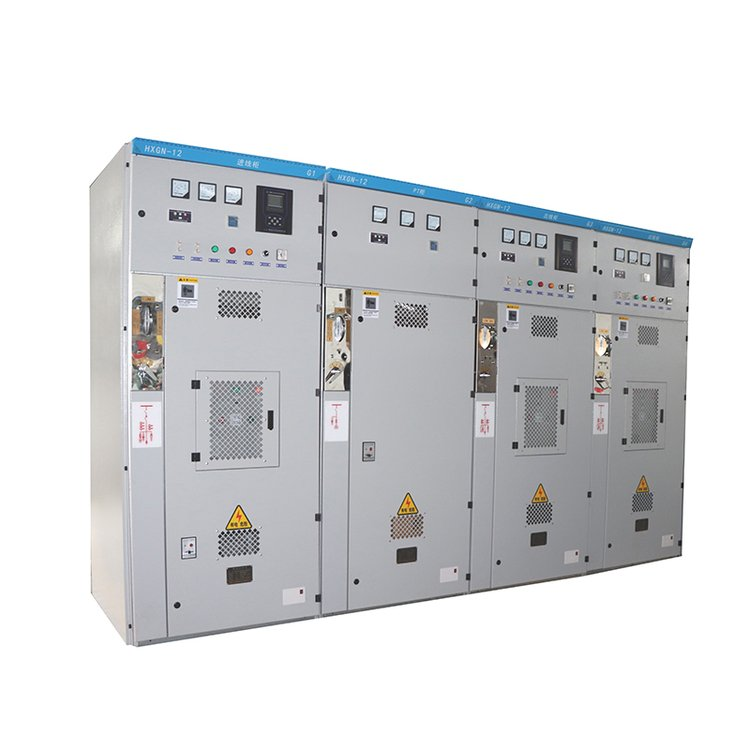
An HV RMU works by controlling electrical power flow through switching, protection, and isolation functions within a ring distribution network. It allows electricity to enter and exit through different feeders while maintaining continuous power supply.
The working process mainly includes power transmission, switching operation, fault detection, and network restoration.
 Basic Working Principle of RMU Ring Main Unit
The basic principle of an RMU Ring Main Unit is based on a closed-loop distribution structure. Power can flow from two directions, which improves system redundancy.
Under normal operating conditions:
1. Electrical power enters the RMU through an incoming feeder.
2. The load break switch controls the connection and disconnection of circuits.
3. Power passes through the internal busbar system.
4. The outgoing feeder supplies electricity to downstream equipment.
When a fault occurs:
1. The protection system detects abnormal current conditions.
2. The circuit breaker disconnects the faulted section.
3. The earthing switch ensures safe maintenance conditions.
4. The remaining network continues operating through another power path.
This design significantly improves reliability compared with single-direction power distribution systems.
Power Distribution Process in an HV RMU
The power distribution process of a High Voltage Ring Main Unit can be summarized as follows:
| Step | Process |
|---|---|
| Step 1 | Incoming high-voltage power enters the RMU through feeder terminals. |
| Step 2 | Switching devices control power connection according to operating requirements. |
| Step 3 | The busbar system distributes electricity to outgoing feeders. |
| Step 4 | Protection devices monitor electrical conditions and respond to faults. |
| Step 5 | Outgoing circuits deliver stable power to consumers. |
Fault Isolation and Power Restoration Process
One of the most important advantages of an HV Ring Main Unit is its ability to isolate faults quickly.
When a short circuit or electrical abnormality occurs, the protection system identifies the affected area. The circuit breaker or load break switch disconnects the faulty section, preventing damage from spreading throughout the network.
After isolation, operators can restore power by:
- Checking fault conditions
- Opening the damaged feeder section
- Closing alternative ring connections
- Restoring electricity supply to unaffected areas
This fast restoration capability makes HV RMU systems suitable for critical applications where uninterrupted power supply is required.
Difference Between Ring Network and Radial Network
The distribution structure is one of the key factors that determines power supply reliability. The two common distribution methods are ring network systems and radial network systems.
An HV Ring Main Unit is mainly designed for ring network applications because it allows electricity to flow through multiple paths, improving system flexibility and reliability.
| Comparison | Ring Network | Radial Network |
|---|---|---|
| Power Flow Direction | Power can flow from multiple directions through a closed-loop structure. | Power flows from one supply point to multiple loads in one direction. |
| Reliability | Higher reliability because alternative power paths are available. | Lower reliability because a single fault can interrupt downstream loads. |
| Fault Handling | Fault sections can be isolated while maintaining power supply to other areas. | Faults may cause wider power outages. |
| Application | Urban grids, industrial parks, commercial buildings, renewable energy projects. | Small distribution networks and simple power systems. |
| Equipment Used | HV RMU, ring switches, protection devices. | Transformers, feeders, traditional switchgear. |
For modern electrical distribution projects, the ring network structure provides better power continuity and operational flexibility. This is why High Voltage Ring Main Units have become an important solution for utilities and engineering contractors worldwide.
Main Components of an HV RMU
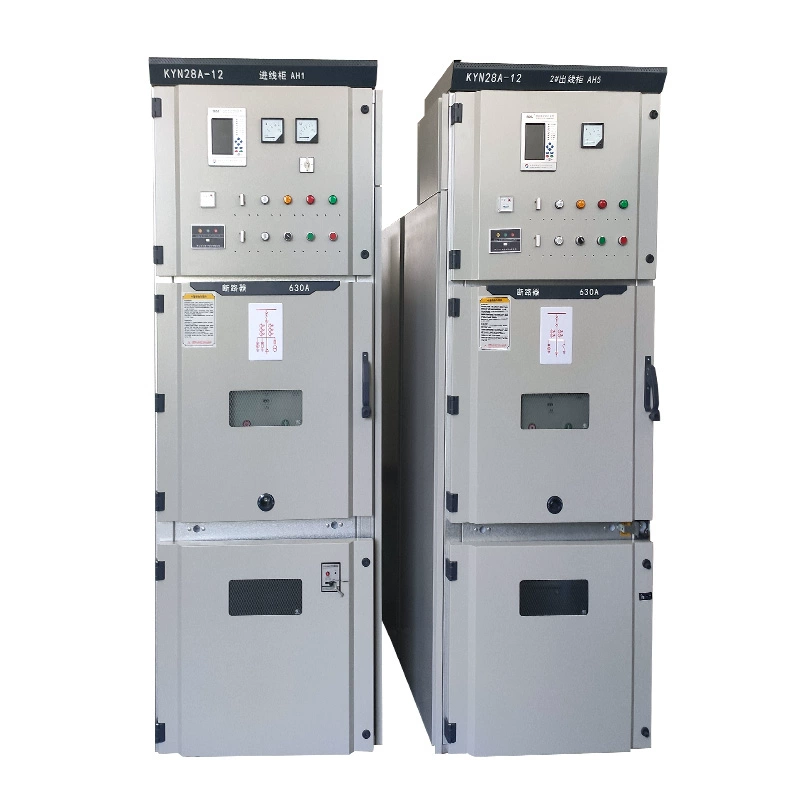
HV Ring Main Unit integrates multiple electrical components into a compact enclosure. Each component performs a specific role in switching, protection, grounding, and power distribution.
Understanding the main components helps electrical engineers and procurement teams select the right RMU solution for different applications.
| Component | Main Function |
|---|---|
| Load Break Switch | Controls normal load current switching operations. |
| Circuit Breaker | Interrupts fault current and protects electrical equipment. |
| Earthing Switch | Provides safe grounding during inspection and maintenance. |
| Busbar System | Transfers and distributes electrical power inside the RMU. |
| Protection and Control System | Monitors electrical conditions and manages switching operations. |
Load Break Switch
The load break switch is one of the essential components of an Electrical Ring Main Unit. It is designed to make or break electrical circuits under normal operating conditions.
Unlike a circuit breaker, a load break switch is mainly used for routine switching operations rather than interrupting high fault currents.
Its main functions include:
- Connecting and disconnecting feeders during normal operation
- Controlling power distribution routes
- Supporting network maintenance activities
- Improving operational flexibility
In many compact RMU designs, the load break switch is combined with insulation technology such as gas insulation or solid insulation to improve reliability and reduce equipment size.
Circuit Breaker
The circuit breaker is responsible for protecting the distribution system from abnormal electrical conditions, including short circuits and overloads.
When a fault occurs, the circuit breaker automatically interrupts the current flow to prevent damage to:
- Transformers
- Cables
- Distribution equipment
- Connected electrical loads
Modern HV RMU systems commonly use vacuum circuit breaker technology because it provides:
- Fast fault interruption
- Long mechanical life
- Low maintenance requirements
- Environmentally friendly operation
For customers purchasing from a China Ring Main Unit manufacturer, selecting an RMU with reliable circuit breaker performance is critical for long-term system stability.
Earthing Switch
The earthing switch is a safety component used to connect isolated electrical parts to the ground.
During maintenance or inspection, the earthing switch ensures that:
- Residual voltage is safely discharged
- Maintenance personnel are protected
- Accidental energization risks are reduced
A properly designed earthing system is an important requirement for international electrical safety standards and project approval.
Busbar System
The busbar system acts as the internal power distribution pathway inside an HV RMU.
It transfers electrical energy between incoming feeders, switching devices, and outgoing feeders.
A high-quality busbar system should provide:
| Requirement | Importance |
|---|---|
| High Conductivity | Reduces power losses and improves efficiency. |
| Mechanical Strength | Ensures stable operation under electrical stress. |
| Insulation Performance | Prevents electrical faults and improves safety. |
| Corrosion Resistance | Extends service life in different environments. |
Protection and Control System
The protection and control system is the intelligent part of an HV RMU. It monitors electrical parameters and enables operators to manage the distribution network efficiently.
Typical protection functions include:
- Overcurrent protection
- Short circuit protection
- Earth fault protection
- Remote monitoring and communication
- Automatic fault indication
With the development of smart grids, intelligent control functions have become increasingly important. Modern RMU solutions can integrate digital monitoring systems to improve operation efficiency and reduce maintenance costs.
Beiye Electric HV RMU Manufacturing Advantages
When selecting a reliable China Ring Main Unit supplier, buyers should evaluate not only product specifications but also manufacturing capability, customization ability, and project experience.
Beiye Electric provides professional HV RMU solutions with:
| Beiye Electric Advantage | Value for Global Buyers |
|---|---|
| Factory Direct Supply | Direct communication with the manufacturer helps reduce procurement costs and improves delivery efficiency. |
| OEM Customization | Customized voltage ratings, configurations, structures, and project requirements can be supported. |
| Quality Control | Strict manufacturing processes ensure stable product performance and reliability. |
| Project Experience | Professional technical support helps meet different international application requirements. |
| Engineering Support | Provides assistance for product selection and system integration. |
For distributors, contractors, and utility companies, working with an experienced High Voltage Ring Main Unit manufacturer can reduce project risks and improve long-term operational performance.
Types of HV Ring Main Unit
Different power distribution projects have different requirements for insulation methods, protection levels, environmental conditions, and automation capabilities. Therefore, HV Ring Main Units are available in several types, including gas insulated RMU, air insulated RMU, vacuum RMU, and intelligent smart RMU.
Selecting the right RMU type helps ensure reliable operation, easier maintenance, and better cost efficiency throughout the equipment lifecycle.
Gas Insulated Ring Main Unit (GIS RMU)
A Gas Insulated Ring Main Unit (GIS RMU) uses insulating gas inside a sealed enclosure to provide electrical insulation between live components.
GIS RMU is widely used in urban distribution networks because of its compact structure and excellent environmental adaptability.
Key advantages include:
- Compact installation size
- High insulation performance
- Suitable for limited-space applications
- Good resistance to dust, humidity, and pollution
- Low maintenance requirements
GIS RMU is commonly applied in:
- Urban underground substations
- Commercial buildings
- Industrial parks
- High-density power distribution networks
For projects where installation space is limited, choosing a GIS-based High Voltage Ring Main Unit can provide reliable power distribution performance while reducing the footprint of electrical equipment.
Air Insulated Ring Main Unit (AIS RMU)
An Air Insulated Ring Main Unit (AIS RMU) uses air as the primary insulation medium. It has a relatively simple structure and provides convenient operation and maintenance.
AIS RMU is suitable for applications where installation space is available and easy access for inspection is required.
Main characteristics include:
| Feature | Benefit |
|---|---|
| Simple Structure | Easy installation and maintenance. |
| Visual Inspection | Allows easier monitoring of equipment condition. |
| Cost Efficiency | Provides an economical solution for many distribution projects. |
| Flexible Configuration | Can be customized according to project requirements. |
Compared with GIS RMU, AIS RMU usually requires more installation space but may provide advantages in projects where cost control and accessibility are important.
Vacuum Ring Main Unit
Vacuum Ring Main Unit integrates vacuum switching technology into the RMU system. Vacuum interrupters provide excellent arc extinguishing performance and are widely used for medium-voltage applications.
The main benefits of vacuum RMU include:
- Long service life
- High switching reliability
- Low maintenance requirements
- No oil insulation pollution risk
- Suitable for frequent switching operations
Vacuum technology is especially suitable for industrial facilities and utility networks that require reliable fault interruption and stable operation.
Intelligent Smart RMU
With the development of smart grids, Intelligent Smart RMU solutions have become increasingly important for modern power distribution systems.
A smart RMU combines traditional switching functions with digital monitoring, communication, and automation technologies.
Typical smart functions include:
| Smart Function | Application Value |
|---|---|
| Remote Monitoring | Allows operators to check equipment status without on-site inspection. |
| Fault Detection | Quickly identifies abnormal conditions and reduces outage time. |
| Communication Interface | Supports integration with SCADA and smart grid systems. |
| Data Collection | Provides operational information for maintenance planning. |
For future-oriented power projects, intelligent RMU systems help improve network automation, operational efficiency, and predictive maintenance capabilities.
Applications of Electrical Ring Main Unit
An Electrical Ring Main Unit is widely used in medium-voltage distribution systems where reliable power supply and efficient fault management are required.
Due to its compact design and flexible configuration, HV RMU solutions are suitable for various industries and infrastructure projects.
Utility Power Distribution Networks
Utility companies commonly use HV RMU systems in urban and regional distribution networks to improve electricity reliability.
Typical applications include:
- Medium-voltage feeder networks
- Distribution substations
- Underground power systems
- Residential electricity supply networks
The ring structure allows utilities to isolate faults quickly and restore power through alternative supply paths, reducing customer downtime.
Industrial Facilities
Industrial plants require stable electricity supply because unexpected power interruptions can result in production losses.
HV RMU systems are commonly installed in:
- Manufacturing factories
- Mining facilities
- Petrochemical plants
- Large processing facilities
For industrial users, a reliable RMU Ring Main Unit provides:
- Better equipment protection
- Reduced production downtime
- Safer electrical operation
- Easier maintenance management
Commercial Buildings
Modern commercial facilities require continuous power supply for lighting, HVAC systems, elevators, security systems, and other critical equipment.
HV RMU applications include:
- Shopping malls
- Office buildings
- Hotels
- Data centers
- Large commercial complexes
The compact design of RMU makes it ideal for buildings where electrical rooms have limited installation space.
Renewable Energy Projects
The growth of renewable energy has increased demand for reliable medium-voltage switching equipment.
HV Ring Main Units are used in:
- Solar power plants
- Wind energy projects
- Battery energy storage systems
- Hybrid renewable energy systems
RMU systems help connect renewable power generation equipment to distribution networks while providing protection and isolation functions.
6.5 Infrastructure Projects
Large infrastructure projects require reliable electrical distribution solutions to support continuous operation.
Common applications include:
| Project Type | HV RMU Application |
|---|---|
| Transportation Systems | Metro systems, railway power supply, airport facilities |
| Public Facilities | Hospitals, schools, government buildings |
| Urban Development | Smart cities and underground distribution networks |
| Energy Projects | Substations and renewable energy connections |
For international EPC contractors and project developers, selecting a dependable China Ring Main Unit manufacturer ensures consistent product quality, technical support, and efficient project delivery.
How to Choose the Right HV RMU
Selecting the right HV Ring Main Unit is an important decision for utilities, engineering companies, distributors, and industrial users because RMU performance directly affects power system reliability, safety, and long-term operating costs.
Before purchasing an Electrical Ring Main Unit, buyers should evaluate technical specifications, application requirements, environmental conditions, and supplier capabilities.
Rated Voltage and Current Requirements
The first step in selecting an HV RMU is determining the required rated voltage and current according to the power distribution system.
Key parameters include:
| Parameter | Selection Consideration |
|---|---|
| Rated Voltage | Must match the medium-voltage network requirements. |
| Rated Current | Should meet the maximum expected load current. |
| Short Circuit Breaking Capacity | Must withstand possible fault current levels. |
| Frequency | Should comply with local grid standards. |
Choosing an RMU with unsuitable electrical ratings may lead to reduced performance, safety risks, or equipment failure. Professional manufacturers such as Beiye Electric can provide technical recommendations based on project specifications.
Insulation Type Selection
The insulation method is another important factor when selecting a High Voltage Ring Main Unit.
The two common insulation options are:
| Insulation Type | Suitable Applications | Main Advantages |
|---|---|---|
| GIS RMU | Urban areas, compact substations, limited-space projects | Small size, high reliability, strong environmental resistance |
| AIS RMU | Industrial facilities, projects with sufficient installation space | Simple structure, easy maintenance, cost-effective |
| Vacuum RMU | Applications requiring frequent switching and high reliability | Long service life and excellent fault interruption performance |
The correct insulation selection depends on installation conditions, maintenance requirements, and project budget.
Protection and Control Features
Modern power systems require more than basic switching functions. Buyers should consider the protection and automation features included in an HV RMU.
Important functions include:
- Overcurrent protection
- Short circuit protection
- Earth fault protection
- Remote monitoring capability
- Communication protocols
- Intelligent automation functions
For smart grid applications, choosing an intelligent RMU can improve operational visibility and reduce manual inspection requirements.
Safety and Certification Standards
Safety compliance is essential when purchasing medium-voltage electrical equipment.
Reliable HV RMU manufacturers should provide products that meet international electrical standards and quality requirements.
Important evaluation points include:
- Product testing procedures
- Electrical safety performance
- Manufacturing quality control
- Certification documentation
- Factory inspection capability
Beiye Electric focuses on quality-controlled production processes and provides professional electrical equipment solutions for global customers.
Choosing a Reliable China Ring Main Unit Manufacturer
For international buyers, selecting the right China Ring Main Unit supplier is not only about product price but also about manufacturing capability and technical support.
Before cooperation, buyers should evaluate:
| Supplier Evaluation Factor | Why It Matters |
|---|---|
| Factory Capability | Ensures stable production capacity and delivery reliability. |
| OEM Customization | Allows equipment configuration based on specific project requirements. |
| Quality Management | Reduces product risks during installation and operation. |
| Technical Support | Helps with equipment selection and project implementation. |
| Project Experience | Demonstrates the ability to support different application scenarios. |
As an experienced electrical equipment manufacturer, Beiye Electric supports global distributors, contractors, and project developers with factory-direct HV RMU solutions, customized configurations, and professional technical assistance.
Advantages of Using HV Ring Main Unit
The increasing demand for reliable electricity distribution has made HV Ring Main Units an essential solution for modern power networks.
Compared with traditional distribution equipment, RMU systems provide significant advantages in reliability, safety, installation efficiency, and smart grid integration.
Improved Power Supply Reliability
The ring network structure allows electricity to flow through alternative paths.
When a fault occurs, the affected section can be isolated while other areas continue receiving power.
This improves:
- Power continuity
- System availability
- Fault recovery speed
- Customer satisfaction
Compact and Space-Saving Design
One of the major advantages of an HV RMU is its compact structure.
Compared with traditional switchgear systems, RMU integrates multiple functions into one enclosed unit, reducing:
- Installation space requirements
- Equipment footprint
- Substation construction costs
This makes RMU particularly suitable for urban environments where available space is limited.
Enhanced Electrical Safety
Safety is a key consideration in medium-voltage power distribution.
HV RMU systems improve operator safety through:
- Metal-enclosed construction
- Reliable insulation systems
- Integrated grounding functions
- Controlled switching operations
These features help reduce electrical risks during operation and maintenance.
Lower Maintenance Requirements
Modern RMU designs are developed for long-term reliable operation with minimal maintenance.
Benefits include:
- Reduced inspection frequency
- Lower maintenance costs
- Long equipment service life
- Improved operational efficiency
For utility companies and industrial users, lower maintenance requirements help reduce total ownership costs.
Supports Smart Grid Development
With the development of digital power systems, intelligent RMU technology supports smarter energy management.
Smart RMU solutions enable:
- Remote equipment monitoring
- Real-time fault information
- Automated network control
- Data-based maintenance decisions
This makes HV RMU an important component in future smart distribution networks.
FAQ
What is the difference between HV RMU and traditional switchgear?
An HV RMU is a compact integrated switchgear unit mainly designed for ring distribution networks, while traditional switchgear usually consists of multiple separate panels for complex power distribution systems. RMU provides easier installation, smaller footprint, and improved network flexibility.
How does an RMU Ring Main Unit improve power reliability?
An RMU Ring Main Unit improves reliability by allowing power supply through multiple directions. When one section fails, the faulty part can be isolated while electricity continues through another route.
What voltage levels can an HV RMU handle?
HV RMU voltage ratings depend on the specific product design and project requirements. Common medium-voltage applications include distribution networks used by utilities, industries, and infrastructure projects.
Is GIS RMU better than AIS RMU?
GIS RMU is usually preferred for compact installations and harsh environments, while AIS RMU is suitable for projects requiring easier maintenance and lower initial investment. The best choice depends on application conditions.
How long is the service life of an HV Ring Main Unit?
A properly designed and maintained HV Ring Main Unit can provide reliable operation for many years. Service life depends on product quality, operating environment, maintenance practices, and switching frequency.
What standards should HV RMU manufacturers meet?
Reliable manufacturers should follow international electrical safety and quality requirements, including proper testing procedures, manufacturing control, and compliance documentation.
How to choose a reliable China Ring Main Unit supplier?
Buyers should evaluate factory capability, customization ability, quality control systems, technical support, and previous project experience before selecting a supplier.
Can HV RMU be customized for different projects?
Yes. Professional manufacturers can customize RMU configurations according to voltage requirements, protection functions, installation conditions, and project specifications.
Conclusion
An HV Ring Main Unit is a reliable and efficient solution for modern medium-voltage power distribution, providing improved reliability, safety, and smart grid compatibility.
Choose Beiye Electric as your trusted HV RMU manufacturer for factory-direct supply, OEM customization, and professional power distribution solutions.