


China Ring Main Unit Vs European RMU: Key Differences
As global power distribution networks continue to expand, Ring Main Units (RMUs) have become a critical component in medium-voltage distribution systems. Whether you are a utility company, EPC contractor, industrial facility owner, or electrical equipment distributor, choosing the right RMU directly affects safety, reliability, operational efficiency, and project costs.
Today, buyers frequently compare China Ring Main Unit solutions with European Ring Main Unit products. Chinese manufacturers have rapidly improved technology, manufacturing quality, and international certifications, while European brands continue to maintain strong reputations for innovation and premium engineering.
If you’re evaluating China RMU, RMU switchgear China, or leading European alternatives, this guide will help you understand the technical differences, cost structures, advantages, limitations, and purchasing considerations that matter most.
China Ring Main Unit Vs European RMU: Key Differences
At first glance, many RMUs from China and Europe appear similar. They perform the same core functions:
- Load switching
- Fault isolation
- Transformer protection
- Distribution network continuity
- Medium-voltage power control
However, significant differences exist in design philosophy, manufacturing approaches, standards compliance, customization flexibility, and pricing.
For procurement professionals, understanding these differences can prevent costly mistakes and improve long-term project ROI.
Technical Differences
Design and Construction
The design philosophy behind Chinese and European RMUs often reflects their target markets.
European manufacturers traditionally focus on long service life, advanced automation, compact footprints, and sophisticated monitoring capabilities. Products are often developed for highly regulated utility environments.
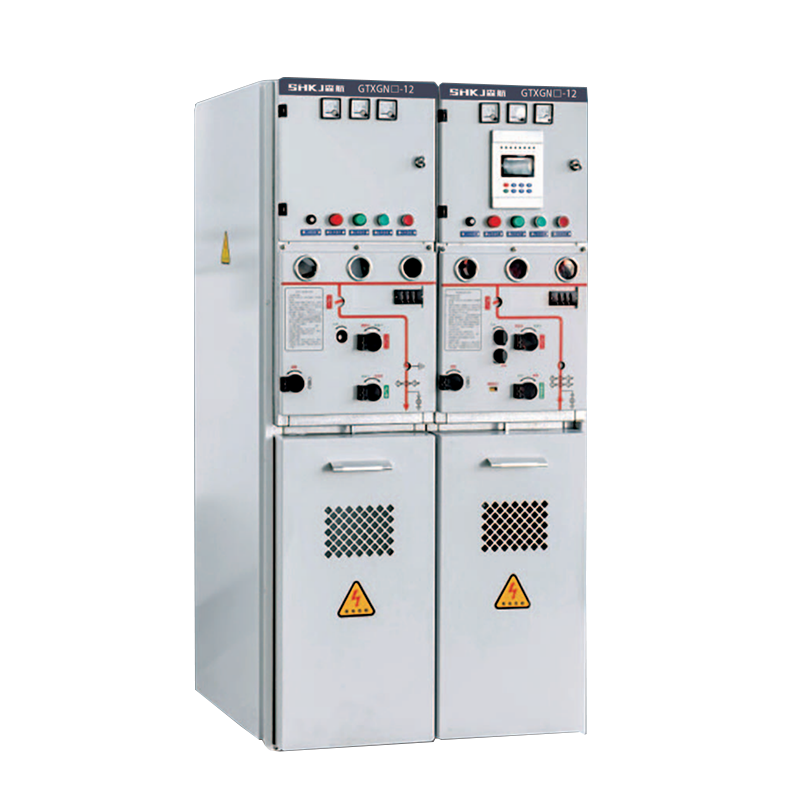
By contrast, modern Ring Main Unit China manufacturers emphasize flexibility, customization, cost efficiency, and fast production cycles.
Comparison of Design Features
| Feature | China RMU | European RMU |
|---|---|---|
| Customization | High | Moderate |
| Manufacturing Lead Time | Short | Longer |
| Compact Design | Good | Excellent |
| Smart Grid Integration | Increasingly Common | Highly Advanced |
| Cost Efficiency | Excellent | Moderate |
| Spare Parts Availability | High | Region Dependent |
A procurement manager working on a renewable energy project in Southeast Asia recently compared several Chinese and European RMU suppliers.
The European options offered advanced digital monitoring systems but exceeded budget expectations by nearly 40%.
A customized China electrical RMU solution achieved all required technical specifications while maintaining compliance with project standards, resulting in significant cost savings.
Key Design Characteristics of China RMUs
- Flexible panel configurations
- Custom protection schemes
- Modular construction
- Faster engineering modifications
- Competitive manufacturing costs
Key Design Characteristics of European RMUs
- Premium component integration
- Advanced automation features
- Extensive field-testing history
- Sophisticated monitoring systems
- Strong utility-sector focus
Electrical Performance
Electrical performance remains one of the most important purchasing criteria.
Fortunately, the quality gap between leading Chinese and European RMUs has narrowed significantly over the last decade.
Many established RMU manufacturers China now produce equipment that meets international standards and performs reliably in demanding environments.
Key electrical parameters typically include:
- Rated voltage
- Rated current
- Short-circuit withstand capability
- Insulation level
- Mechanical endurance
- Arc fault resistance
Typical Performance Comparison
| Parameter | China RMU | European RMU |
|---|---|---|
| Rated Voltage | Up to 40.5kV | Up to 40.5kV |
| Rated Current | 630A–2500A | 630A–2500A |
| Short Circuit Rating | Up to 31.5kA | Up to 31.5kA |
| Mechanical Life | 5,000–10,000 Operations | 10,000+ Operations |
| Automation Options | Available | Extensive |
| Remote Monitoring | Optional | Common |
For many utility and industrial projects, the actual performance differences are minimal when equipment is sourced from reputable suppliers.
This is especially true when comparing certified manufacturers such as Beiye Electric with well-known European competitors.
Safety and Standards
Safety compliance is often a deciding factor for international projects.
European RMUs typically comply with:
- IEC 62271 series
- EN standards
- Utility-specific regulations
- Environmental requirements
Modern Chinese RMUs increasingly meet the same international requirements.
Reliable RMU switchgear China suppliers routinely manufacture products certified according to IEC standards and export to over 100 countries.
Useful industry references include:
- IEC 62271 Medium Voltage Standards
- IEEE Distribution Equipment Guidelines
- CIGRE Technical Publications
When evaluating suppliers, you should verify:
- Type test reports
- Third-party certification
- Factory audit records
- Quality management systems
- Export project references
Safety Strengths of Modern China RMUs
- IEC-compliant designs
- Internal arc classification options
- Sealed-for-life technology
- SF6 and environmentally friendly alternatives
- Enhanced operator safety systems
Safety Strengths of European RMUs
- Extensive utility acceptance
- Long field performance records
- Advanced digital diagnostics
- Mature smart-grid integration
- Strong environmental compliance
Cost and Market Comparison
For most buyers, cost plays a major role.
This is where the biggest difference between Chinese and European RMUs becomes evident.
Pricing Differences
European RMUs are generally positioned as premium products.
Factors contributing to higher prices include:
- Labor costs
- Research and development investment
- Brand premiums
- Regulatory compliance expenses
- Regional manufacturing costs
Meanwhile, China Ring Main Unit manufacturers benefit from:
- Large-scale production
- Efficient supply chains
- Lower manufacturing costs
- Flexible sourcing networks
- Strong domestic market demand
Typical Market Pricing Comparison
| Product Type | China RMU | European RMU |
|---|---|---|
| Standard 12kV RMU | Lower Cost | Higher Cost |
| Customized RMU | Competitive | Premium |
| Smart RMU | Moderate | High |
| Utility RMU | Competitive | Premium |
| Renewable Energy RMU | Competitive | High |
In many international tenders, Chinese suppliers can offer pricing advantages ranging from 20% to 50%.
That difference becomes substantial when purchasing dozens or even hundreds of units.
Imagine a utility expansion project requiring 150 RMUs.
A 30% price difference could translate into hundreds of thousands of dollars in procurement savings.
For project developers under tight capital budgets, this often becomes a decisive factor.
Availability and Supply
Supply chain reliability became a major concern following global disruptions in recent years.
One notable advantage of the Chinese manufacturing ecosystem is production capacity.
Many major Ring Main Unit suppliers in China maintain:
- Large-scale manufacturing facilities
- Significant component inventories
- Flexible production schedules
- Fast export logistics
- Multiple sourcing channels
European manufacturers may experience longer lead times during periods of strong market demand.
This can affect project schedules, particularly for utility infrastructure projects with strict completion deadlines.
Supply Chain Advantages of China
- Faster production turnaround
- High-volume manufacturing
- Strong export experience
- Broad supplier networks
- Competitive shipping solutions
Supply Chain Advantages of Europe
- Established utility relationships
- Long-term service support
- Consistent engineering documentation
- Strong brand recognition
- Regional technical assistance
Advantages and Limitations
Every purchasing decision involves trade-offs.
The goal is not to determine which option is universally superior.
Instead, you should identify which solution best aligns with your project requirements.
Advantages of China RMU
Chinese manufacturers have invested heavily in automation, testing facilities, and international market development.
Today’s leading Medium voltage RMU China suppliers offer products that can compete globally.
Key advantages include:
- Cost-effective procurement
- Flexible customization
- Fast manufacturing
- IEC-compliant designs
- Growing global acceptance
- Strong export capabilities
A renewable energy EPC contractor in the Middle East recently selected customized China RMUs for a solar substation project.
The equipment met all technical requirements while reducing procurement costs by more than 25% compared with European alternatives.
The project was completed ahead of schedule because of shorter manufacturing lead times.
Advantages of European RMU
European RMUs remain highly respected across the industry.
Many utilities continue to prefer European brands due to decades of proven performance.
Advantages include:
- Strong brand reputation
- Advanced automation technologies
- Extensive operational history
- Mature smart-grid integration
- Utility-sector acceptance
- Premium engineering quality
For projects where long-term utility approval is essential, European equipment may provide additional confidence.
Particularly in highly regulated markets, existing specifications may already favor established European manufacturers.
Limitations to Consider
No solution is perfect.
Before selecting either option, you should carefully evaluate potential limitations.
China RMU Limitations
- Supplier quality varies significantly
- Certification verification is necessary
- Brand recognition may be lower in some regions
- Technical support quality differs by manufacturer
- Utility approvals may vary
European RMU Limitations
- Higher acquisition costs
- Longer delivery schedules
- Limited customization flexibility
- Expensive spare parts
- Higher lifecycle procurement budgets
The key lesson is simple:
A premium European RMU does not automatically provide better value.
Likewise, a lower-cost Chinese RMU is not automatically the best choice.
Supplier selection matters more than country of origin.
Which is better for medium voltage distribution, China or Europe RMU?
When it comes to medium-voltage distribution, choosing between China RMU and European RMU is less about nationality and more about matching the equipment to your project’s specific needs. Both offer strong performance, but your priorities—cost, lead time, compliance, and technical features—will determine which is better suited.
Performance and Reliability
European RMUs have long been recognized for exceptional operational reliability, particularly in heavily regulated utility networks. Their designs often include advanced monitoring, digital protection schemes, and extensive testing histories. This can translate into fewer failures, minimal downtime, and confidence in critical installations.
On the other hand, leading China Ring Main Unit suppliers like Beiye Electric now produce medium-voltage RMUs that meet international IEC 62271 standards. Their units have proven reliable in thousands of installations across Asia, Africa, and the Middle East. Modern Chinese RMUs incorporate features like sealed-for-life switches, arc-resistant compartments, and optional smart grid compatibility, narrowing the historical gap in performance with European models.
Cost Efficiency
For large-scale projects, procurement cost often drives the final decision. European RMUs tend to command a premium, reflecting higher labor costs, research and development investment, and brand reputation. Chinese RMUs, however, offer competitive pricing without necessarily sacrificing quality.
For example, a Southeast Asian utility recently evaluated RMUs for a new distribution substation:
- European RMU: $48,000 per unit
- China RMU (Beiye Electric): $33,500 per unit
By choosing Beiye Electric, the utility saved over 30% on procurement costs while still complying with IEC standards and ensuring reliable operation.
Customization and Flexibility
If your project requires customized RMU configurations—for example, unusual voltage levels, specific monitoring interfaces, or tailored protection schemes—Chinese manufacturers often provide more flexible solutions. European RMUs are highly standardized, which can be advantageous for consistency but may limit design adaptations.
Beiye Electric specializes in flexible solutions for industrial and utility customers, offering modular designs that can be adapted to unique site requirements, from remote substations to dense urban distribution networks.
Supply Chain and Lead Time
Global supply chain disruptions have highlighted the importance of production capacity and delivery reliability. Chinese RMU suppliers, including Beiye Electric, maintain extensive production lines and spare-part inventories, enabling faster delivery schedules. European RMUs may face longer lead times, particularly for highly customized models, which can impact project timelines.
Technical Support and Maintenance
European RMUs benefit from decades of operational experience in utility networks, and their technical support often comes with strong regional service infrastructure.
However, Chinese RMU manufacturers are rapidly improving service networks worldwide. Beiye Electric provides local technical assistance, online support, and detailed installation documentation, making maintenance straightforward for international clients.
Conclusion on Which is Better
- If your priority is budget-conscious procurement with flexible configurations, China RMU from trusted suppliers like Beiye Electric is a strong choice.
- If your project demands premium engineering, established utility approval, and long-term field-proven performance, a European RMU may be preferred.
In reality, many modern projects achieve the best balance by evaluating suppliers based on certifications, technical fit, local support, and total cost of ownership, rather than simply origin.
Tip for buyers: Always request type test reports, IEC certification, and reference installations to verify the manufacturer’s claims. This ensures your medium-voltage distribution network is safe, reliable, and cost-effective.
FAQ
Ring Main Unit Cost Comparison China Vs Europe?
Answer: China RMUs typically cost 20–50% less than European RMUs while offering IEC-compliant performance and competitive reliability.
Which RMU Has Lower Operating Costs: China Or European Models?
Answer: China RMUs often have lower operating costs due to affordable spare parts, easier maintenance, and lower service expenses.
Which Offers Better Value For Money: China RMU Or European RMU?
Answer: China RMUs usually provide better value for budget-focused projects, balancing performance, compliance, and cost efficiency.
How Does The Quality Of China RMUs Compare With European RMUs?
Answer: Leading China RMUs meet IEC standards and deliver reliable performance, though premium European brands often have longer track records.
What Is The Price Difference Between China RMUs And European RMUs?
Answer: European RMUs are generally 20–50% more expensive due to higher labor, R&D, and brand-related costs.
Which Has Better Customization Options: China RMU Or European RMU?
Answer: China RMU manufacturers typically offer greater customization flexibility and faster engineering modifications.
Are China Ring Main Units Suitable For Utility-Scale Distribution Projects?
Answer: Yes. Certified China RMUs are widely used in utility grids, substations, renewable energy, and industrial distribution systems.
How Do Maintenance Requirements Differ Between China And European RMUs?
Answer: Both require minimal maintenance, but China RMUs often benefit from lower spare-part and service costs.
Which Standards Do China Ring Main Units Follow Compared To European RMUs?
Answer: Most export-oriented China RMUs comply with IEC 62271 standards, similar to many European RMU products.
Which Industries Commonly Use China Ring Main Units Compared To European RMUs?
Answer: China RMUs are common in utilities, renewables, mining, infrastructure, and manufacturing, while European RMUs dominate premium utility projects.
Conclusion
Choosing the right Ring Main Unit depends on your project’s priorities—cost, customization, compliance, and reliability. China RMUs, like those from Beiye Electric, provide cost-effective, IEC-compliant solutions with flexible configurations, while European RMUs offer premium engineering and long-term utility approval. By evaluating performance, support, and total cost of ownership, you can select the RMU that maximizes value and ensures safe, efficient medium-voltage distribution.
Take action today: Explore Beiye Electric’s full range of certified China Ring Main Units and discover how they can optimize your next distribution project. Visit Beiye Electric to request a consultation or quotation.


