


GCS Low Voltage Switchgear VS GCK Low Voltage Distribution Solutions
Introduction
Whether you are managing power plants, industrial facilities, or high-rise buildings, choosing the right switchgear is crucial in the field of low-voltage distribution. Explore GCS low voltage switchgear and GCK Low Voltage Distribution Solutions differ in design, performance, and applications to guide your optimal distribution choice.
GCS Low Voltage Switchgear VS GCK Low Voltage Distribution Solutions
Before knowing the difference between GCS low voltage switchgear and GCK low voltage distribution solutions, it is necessary to understand their respective definitions.
Definition
What is GCS Low Voltage Switchgear?
GCS Low Voltage Switchgear is designed for high-demand environments such as power plants, petrochemical industries, textile factories, metallurgy operations, and high-rise buildings. These systems operate at a three-phase AC frequency of 50 (60) Hz, rated voltages of 380V, 400V, or 660V, and a rated current up to 4000A. They are widely used for power distribution, motor centralized control, and reactive power compensation.
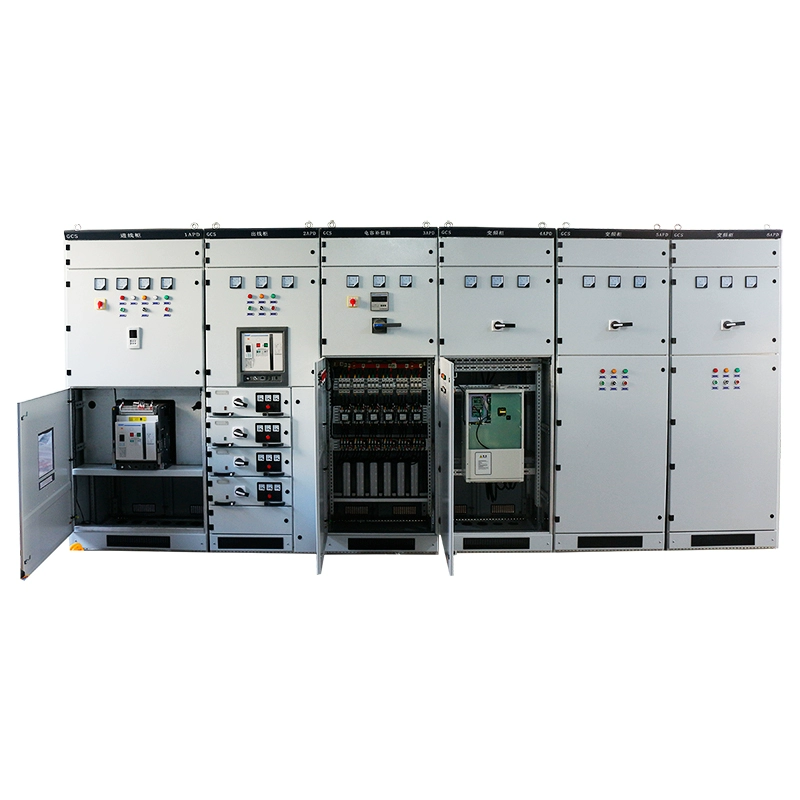
This switchgear complies with GB7251.12-2013 standards and provides seamless integration with automated control systems, making it ideal for modern, computer-controlled industrial setups.
What is GCK Low Voltage Draw-out Switchgear?
GCK Low Voltage Draw-out Switchgear is a versatile power distribution solution suitable for power plants, substations, and industrial enterprises. Its rated current reaches up to 3150A and it manages power conversion, distribution control, and motor and lighting control.
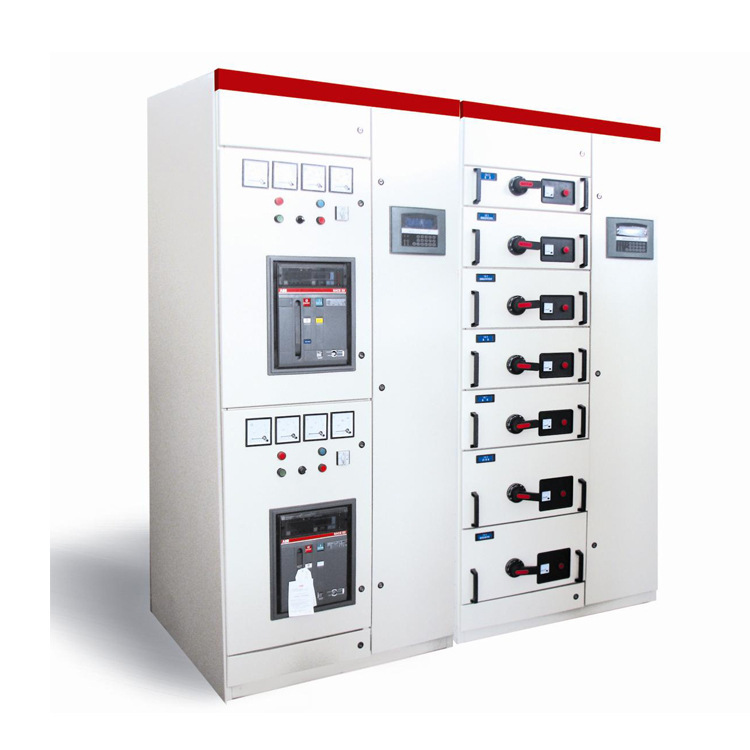
This type of switchgear emphasizes modularity, ease of maintenance, and flexibility, allowing you to combine various units as needed. GCK also follows the GB7251.12-2013 professional standards, ensuring compliance and reliability in diverse applications.
Key Feature
- High breaking capacity with excellent dynamic and thermal stability
- Clear separation of functional units to minimize operational impact of failures
- Drawer units with ample secondary connectors for automated control and computer interfaces
- Flexible modular design allowing multiple circuits per cabinet
- Advanced cable compartment design facilitating installation and maintenance
- Compliance with industry safety and technical standards
| Feature | GCS Low Voltage Switchgear | GCK Low Voltage Switchgear | Capacity | Installation Ease | Automation Compatibility | Maintenance |
|---|---|---|---|---|---|---|
| Rated Current | Up to 4000A | Up to 3150A | High | Medium | High | Easy |
| Voltage | 380V / 400V / 660V | Up to 400V | Moderate | Easy | Medium | Moderate |
| Modular Units | Yes | Yes | Both | High | Medium | Easy |
| Automation | Designed for computer interface | Standard | High | Medium | High | Medium |
| Short-Circuit Withstand | 80/176 kA | Moderate | High | Medium | Medium | Medium |
| Cable Compartment | Horizontal, flexible | Standard | Medium | High | Medium | Easy |
Application
GCS and GCK switchgear systems shine in industrial and commercial scenarios:
- Power Plants & Substations – GCS is especially suited for high-automation plants with complex motor control setups.
- Petrochemical Industries – Reliable for continuous operation under demanding conditions.
- Industrial Manufacturing – GCK provides flexibility for varying circuit needs and modular upgrades.
- High-Rise Buildings – Both types offer safe, reliable distribution and easy maintenance.
- Renewable Energy Systems – GCS’s advanced control interfaces make it perfect for solar and wind farm integration.
Design and Structure
GCS Switchgear focuses on clarity and reliability. Its functional units and compartments are separated to ensure that a single failure does not disrupt the entire system. Horizontal busbar arrangements enhance dynamic and thermal stability, capable of withstanding extreme short-circuit currents.
GCK Switchgear, on the other hand, emphasizes modular flexibility. Each cabinet can host multiple circuits, reducing space requirements and enabling quick reconfiguration. The design also features interlocking doors and standardized compartments, promoting safety and ease of use.
Key design points include:
- Modular drawer units for both GCS and GCK
- Advanced busbar configurations
- Functional compartment separation
- Interlock mechanisms and safety-rated doors
- Flexible cable entry and routing
Performance and Capacity
- GCS supports higher rated currents (up to 4000A) and is built for high-demand automated systems. Its performance shines in continuous-operation industries where uptime is critical.
- GCK is ideal for general industrial distribution needs, handling up to 3150A with flexible circuit arrangements and simplified maintenance procedures.
- Both systems offer short-circuit protection, thermal stability, and high-quality component integration.
Maintenance and Operation
- Draw-out switchgear allows for quick removal and replacement of components, minimizing downtime.
- GCS requires attention to automated interface connections and high-current applications, whereas GCK’s modular design simplifies routine inspections.
- Both systems require trained personnel for safe operation, with interlocks and secondary protection ensuring compliance with safety standards.
Maintenance Tips:
- Regular inspection of busbars and connections
- Verify interlock mechanisms and grounding
- Test protective relays and breakers periodically
- Keep cable compartments clean and accessible
- Monitor temperature rise in high-load scenarios
- Document all maintenance for regulatory compliance
How to Choose the Right Switchgear for Your Project
Selecting the right switchgear depends on:
- Voltage and current requirements – Know your system’s demand
- Automation needs – GCS excels in highly automated setups
- Space constraints – GCK may save floor space with flexible modular units
- Maintenance strategy – Draw-out designs reduce downtime
- Budget considerations – GCS has a higher upfront cost but may save in long-term efficiency
- Supplier reliability – Choose vendors offering OEM/ODM and technical support
Tip: For large-scale petrochemical plants or high-rise complexes, GCS often provides superior reliability and automation compatibility. For factories or general industrial setups, GCK offers a cost-effective and flexible solution.
FAQ
Can both switchgear types be used in power plants?
A: Yes, GCS is ideal for high-demand automation systems, while GCK handles moderate load distribution.
Are these switchgears compliant with standards?
A: Both comply with GB7251.12-2013, with GCS also supporting advanced automation interfaces.
How many circuits can a GCS cabinet support?
A: Up to 22 circuits in a single MCC cabinet.
What’s the max current rating for GCK switchgear?
A: 3150A.
Which is better for high-rise buildings?
A: GCS is better for automated control, but GCK works well for general power distribution.
Are there temperature limitations?
A: GCK: -5℃–40℃; GCS: depends on installation, but designed for industrial temperatures.
Can both switchgears be customized?
A: Yes, both offer OEM/ODM solutions.
What maintenance is required for GCS?
A: Regular inspection, busbar cleaning, interlock testing, and monitoring temperature rise.
Do these switchgears support automation?
A: GCS is specifically designed for automated systems; GCK supports basic automation.
Which is more cost-effective upfront?
A: GCK typically has a lower initial cost; GCS may save more over time via reduced downtime.
Can GCS switchgear integrate with SCADA systems?
A: Yes, it’s designed for automated control and monitoring.
Are these suitable for petrochemical plants?
A: Absolutely, especially GCS for high-demand continuous operations.
How about safety features?
A: Both include interlocks, compartment separation, and protective devices.
Can components be replaced individually?
A: Yes, drawer-type units allow quick component swaps.
What about space-saving options?
A: GCK is more compact, supporting multiple circuits per cabinet.
How often should inspections occur?
A: Depending on usage, typically every 6–12 months.
What are common installation precautions?
A: Ensure firm horizontal connections, observe interlock safety, and use professional technicians.
Conclusion
Choosing between GCS Low Voltage Switchgear and GCK Low Voltage Distribution Solutions depends on your facility’s power demand, automation requirements, and maintenance strategy. GCS excels in high-current, automated environments, while GCK offers flexibility and cost-effective modularity. By understanding your operational needs, you can select the right system to ensure safety, reliability, and efficiency.
Contact Beiye Electric today to explore customized solutions, request technical guidance, or get a quote for your next low-voltage switchgear project. Your power system deserves the best!


