


What is vacuum switchgear?
you’re sourcing electrical equipment and keep hearing about “vacuum switchgear.” It’s not just industry jargon—it’s a game-changer in power distribution. This guide cuts through the complexity, explaining what it is, why it matters for your projects, and what you should look for. Think of this as your no-nonsense briefing to make informed, cost-effective decisions.
What is vacuum switchgear?
Let’s be honest: when you’re procuring electrical gear, you need reliability, safety, and value—not a physics lecture. Vacuum switchgear sits at the heart of modern medium-voltage power networks. Simply put, it’s an assembly of components (like circuit breakers and switches) that control, protect, and isolate electrical equipment, using a vacuum interrupter as its core quenching medium. Unlike older technologies, it uses the unique insulating properties of a vacuum to safely and swiftly extinguish electrical arcs. This translates to gear that’s compact, incredibly durable, and requires far less upkeep. For you, the buyer, this means lower lifetime costs and fewer headaches. By the end of this guide, you’ll know exactly why it might be the superior choice for your next tender or project upgrade.
The Core Technology: Why Vacuum?
Alright, let’s dive into the “why” before the “what.” The magic—and the key advantage—of this technology lies inside that sealed, evacuated chamber called the vacuum interrupter.
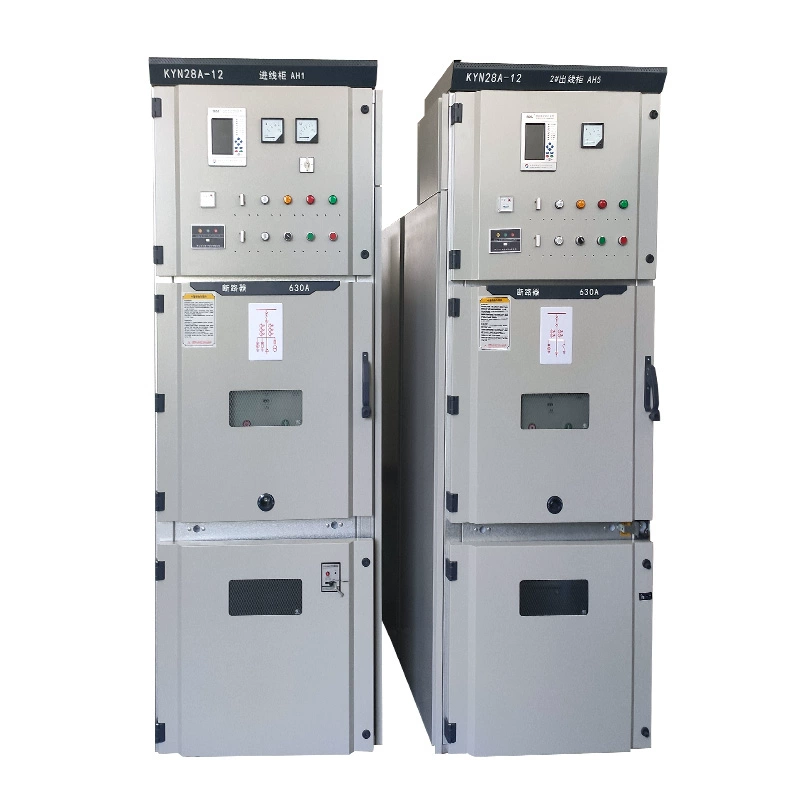
How the Vacuum Switchgear Works
Imagine needing to stop a massive electrical current instantly. In air or oil, this creates a sustained, hot arc that must be “cooled” and stretched to be extinguished. In a vacuum, it’s a different story. When the contacts inside the interrupter separate, the lack of any medium (air, gas, oil) means there are virtually no molecules to ionize and sustain an arc. The arc that does form is actually a diffuse plasma that gets extinguished at the first current zero—we’re talking within a few milliseconds. This results in phenomenal arc quenching capability. It’s a beautifully simple principle: the best insulator is nothing at all.
Key Components & Structure of Vacuum Switchgear
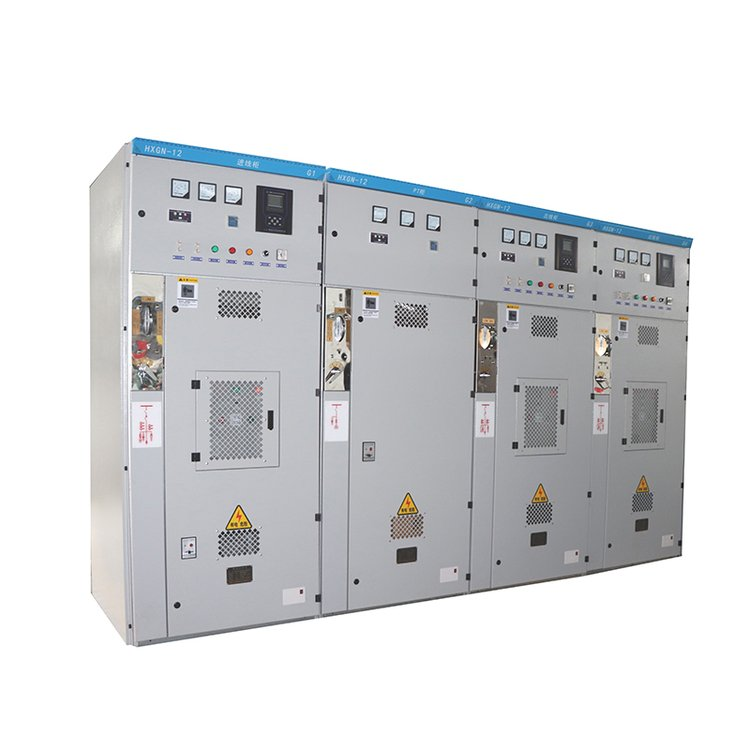
Vacuum switchgear isn’t just a breaker; it’s a sophisticated, integrated system. Understanding its main parts helps you evaluate quality and functionality. A typical metal-clad or metal-enclosed switchgear assembly consists of several key bays or compartments.
Here’s a breakdown of the typical lineup:
| Compartment | Primary Function | Key Component | Why It Matters to You |
|---|---|---|---|
| Circuit Breaker Compartment | Interrupts fault currents & performs switching. | Vacuum Circuit Breaker (VCB) with vacuum interrupters. | This is the heart. Its reliability defines the entire system’s uptime. |
| Busbar Compartment | Distributes power between incoming and outgoing feeders. | Main copper or aluminum busbars, insulated. | Robust construction here ensures minimal losses and heat generation. |
| Cable Compartment | Termination point for incoming/outgoing power cables. | Cable lugs, CTs/PTs, earthing switches. | Design dictates ease of installation and maintenance access. |
| Control & Relay Compartment | Intelligence hub for protection, monitoring, and control. | Microprocessor relays, meters, PLCs, communication modules. | Modern, user-friendly interfaces here simplify operation and diagnostics. |
| Low-Voltage Compartment | Houses auxiliary power and control circuits. | DC/AC supplies, terminals, control wiring. | Clean, organized wiring here is a telltale sign of overall manufacturing quality. |
When you’re reviewing specs or visiting a factory floor (like at Beiye Electric), seeing these compartments clearly segregated and robustly built is a huge green flag. It speaks to safety, serviceability, and adherence to standards like IEC 62271-200.
 Tangible Advantages: Why You Should Care
This is the meat of it—the direct benefits that impact your bottom line and operational sanity. Let’s move beyond technical specs to real-world value.
First off, think about maintenance. Traditional oil-based switchgear requires regular checks of dielectric strength, moisture content, and sludge. It’s messy and costly. SF6 gear has strict leak-checking protocols due to environmental regulations. Vacuum interrupters, however, are sealed for life. They are effectively maintenance-free units. You’re not buying just a product; you’re buying peace of mind and slashing your OPEX from day one.
Then there’s safety and environmental compliance. No oil means no risk of fire or toxic spillage. No SF6 means you’re completely free from potent greenhouse gas concerns and future regulatory headaches. It’s a cleaner, safer choice for personnel and the planet. For instance, a pharmaceutical plant we worked with chose Beiye’s vacuum switchgear specifically for its clean-room adjacent substations, eliminating any contamination risk.
And don’t forget longevity and operational speed. The contacts in a vacuum interrupter erode minimally, leading to an extraordinarily high mechanical and electrical life—often tens of thousands of operations. The rapid arc extinction also means less contact wear and superior performance during frequent switching duties, like in capacitor banks or furnace transformers.
A Quick Comparison: Vacuum Switchgear vs. The Alternatives
It’s helpful to see how vacuum stands against older technologies. I’ll be blunt: for most medium-voltage applications (up to 40.5kV), vacuum is now the dominant, modern choice. Air-insulated switchgear (AIS) is bulky and exposes live parts. Oil is a fire hazard and high-maintenance. SF6, while excellent for higher voltages, faces a regulatory phase-down in many regions due to its global warming potential. Vacuum hits the sweet spot: compact, safe, eco-friendly, and incredibly reliable. It’s not just an alternative; it’s often the default smart choice for forward-thinking projects.
Selecting the Right Vacuum Switchgear: A Buyer’s Checklist
You’re convinced of the technology. Now, how do you pick the right supplier and model? It’s not just about the lowest bid. Here are some critical, often overlooked points:
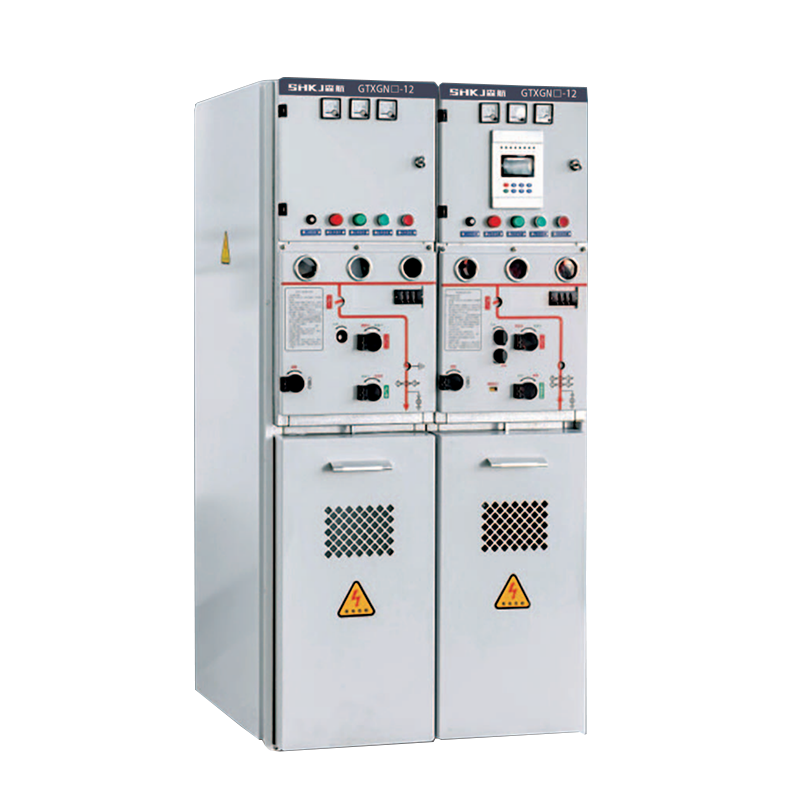
- Look beyond the breaker to the overall assembly quality. Sturdy sheet metal, proper interlocking systems, and smooth operation of shutters and earthing switches are signs of good engineering.
- Protection relay integration is crucial. Is it a modern, communicable device with a clear HMI? Can it provide data for your smart grid or SCADA system? This is where value-add happens.
- Service and support footprint. Does the manufacturer, say Beiye Electric, have local technical support or a network of certified partners? Quick access to expertise is priceless.
- Testing and certification. Insist on seeing type test reports (like for short-circuit breaking capacity) from independent labs. Don’t just take the sales brochure’s word for it.
- Total Cost of Ownership (TCO). Factor in the savings from negligible maintenance, higher efficiency (lower losses), and longer lifespan. The initial price tag is only part of the story.
- Customization capability. Can the standard design be adapted to your specific cable entry, busbar arrangement, or communication protocol needs? Flexibility is a hallmark of a good partner.
Frequently Asked Questions (FAQ)
Q1: Is vacuum switchgear more expensive upfront than SF6 or air-insulated options?
Often, yes, the initial purchase price can be higher. However, the drastically lower maintenance costs, elimination of gas handling/reporting, higher reliability, and longer service life mean the Total Cost of Ownership (TCO) is almost always significantly lower. It’s an investment that pays back over time.
Q2: What is the typical lifespan of a vacuum interrupter?
It’s exceptionally long. The vacuum bottle itself is typically sealed for life (20+ years), and the electrical contacts have an endurance of tens of thousands of operations under normal load and numerous operations at full short-circuit current. It’s often the other mechanical components in the assembly that see scheduled maintenance first.
Q3: How do I know if the vacuum integrity is lost?
Modern vacuum interrupters often have a recommended “condition monitoring” method, which is usually a simple contact resistance measurement or a withstand voltage test during routine checks—not a frequent task. A significant loss of vacuum is extremely rare in quality products and is usually considered a “fail-safe” event where the interrupter will maintain its dielectric strength.
Q4: Can vacuum switchgear be retrofitted into an existing substation building?
One of its major advantages is its compact size. Vacuum switchgear, especially in a metal-clad design, has a much smaller footprint than equivalent air-insulated gear. This often makes it an ideal choice for retrofit projects where space is constrained or for upgrading old oil-filled equipment, allowing for increased capacity in the same building.
Q5: Are there any special safety precautions for operating vacuum switchgear?
It’s inherently safer than oil or SF6 gear. Standard electrical safety precautions (following lock-out/tag-out procedures, using PPE, etc.) always apply. The main advantage is you don’t have the specific hazards associated with oil fires, SF6 gas decomposition products, or high-pressure systems.
Q6: What should I look for in a vacuum switchgear supplier as a procurement manager?
Focus on three pillars: Product Quality (look for full type-test certifications, robust construction), Technical Support (availability of local engineering support, clear documentation), and Reputation (project references in similar industries, financial stability). A partner like Beiye Electric that offers a complete portfolio and can provide tailored solutions often brings more value than a simple box supplier.
Conclusion
So, what is vacuum switchgear? It’s more than just equipment; it’s a strategic investment in a resilient, efficient, and safe power infrastructure. Its core technology—the sealed, maintenance-free vacuum interrupter—delivers unparalleled reliability, slashes operating costs, and aligns perfectly with modern environmental and safety standards. For you, the procurement professional, it represents a future-proof choice that minimizes risk and maximizes value over the asset’s entire life.
Don’t just buy a commodity. Evaluate your next medium-voltage switchgear project through the lens of Total Cost of Ownership and long-term operational stability. Challenge your suppliers on the details—ask about interrupter sourcing, relay capabilities, and lifecycle support. Why not start by requesting a detailed technical proposal from a proven manufacturer? Explore the specifications and case studies from Beiye Electric to see how their vacuum switchgear solutions are engineered for performance and durability. Make your next procurement decision not just a purchase, but an upgrade to your system’s intelligence and reliability.
AI-assisted content is for reference only; please verify carefully.


