


What Is Outdoor Vacuum Circuit Breaker And Do You Really Need?
When procuring medium-voltage protection equipment, outdoor vacuum circuit breakers almost always appear on the shortlist of candidates. But what exactly do they do? What applications are they suitable for? And, more importantly, do you really need one?
If you are a purchasing manager, EPC contractor, or power company procurement professional comparing the reliability, lifecycle costs, and safety of various options, then this guide is tailored specifically for you.
What Is An Outdoor Vacuum Circuit Breaker?
An Outdoor Vacuum Circuit Breaker (VCB) is a medium-voltage switching device designed to interrupt fault currents and protect electrical networks installed outside—on poles, substations, industrial yards, and utility distribution lines.
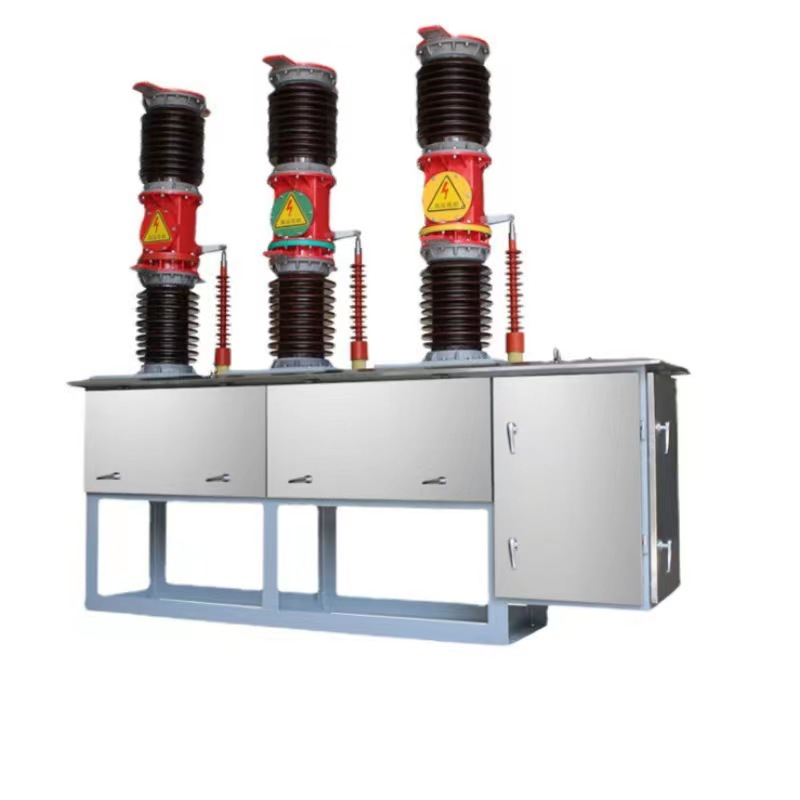
Unlike oil or SF₆ breakers, a vacuum circuit breaker uses a sealed vacuum interrupter to extinguish the arc created when contacts separate. In a vacuum, there is no medium to sustain the arc, so interruption is extremely fast and clean.
You typically see outdoor VCBs operating in voltage ranges from 11kV to 40.5kV, especially in overhead distribution systems, renewable plants, mining sites, and industrial substations.
From a buyer’s perspective, the biggest appeal is simple:
high reliability, minimal maintenance, and zero greenhouse gas leakage.
At Beiye Electric, outdoor VCBs are commonly selected by utilities that want long-term stability without the regulatory pressure associated with SF₆ gas equipment.
What Is The Purpose Of A Vacuum Circuit Breaker?
The core purpose of a vacuum circuit breaker is protection—but protection with precision.
When a short circuit, overload, or abnormal condition occurs, the VCB must interrupt current immediately to prevent damage to transformers, cables, generators, and downstream equipment. In outdoor environments, that responsibility becomes even more critical because faults are often caused by lightning, wind, pollution, or wildlife.
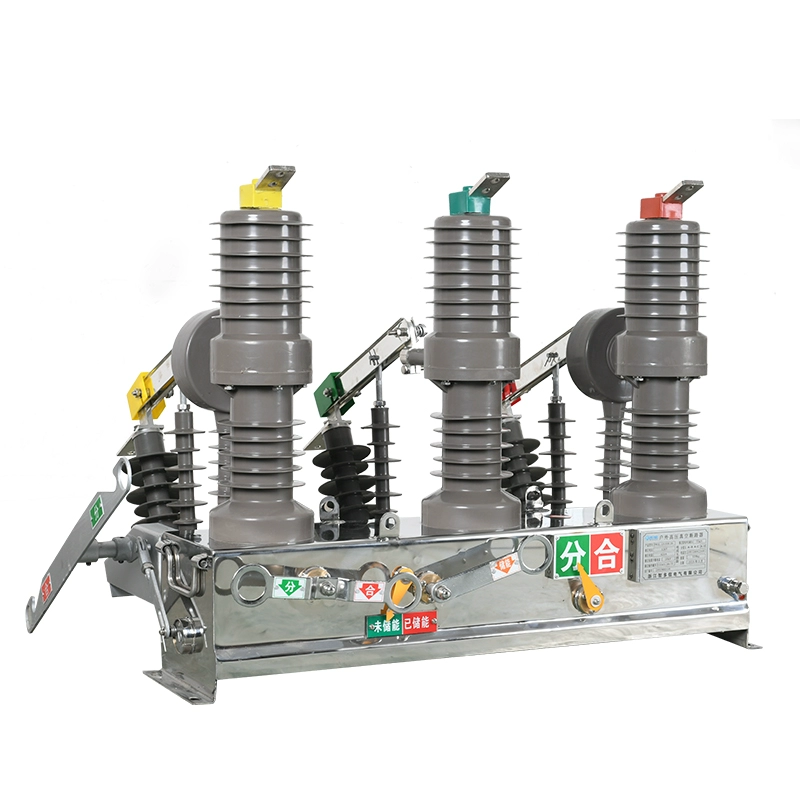
Here is what you rely on an outdoor VCB to do in real-world operation:
- Interrupt high fault currents safely and repeatedly
- Protect expensive upstream and downstream assets
- Ensure grid stability in harsh outdoor conditions
- Minimize outage duration and maintenance visits
- Comply with modern environmental regulations
A procurement case we often see: a regional utility replacing aging oil breakers after repeated failures during rainy seasons. After switching to outdoor VCBs, fault clearance time drops, maintenance costs shrink, and unplanned outages become rare—very rare.
That is the purpose in practice, not theory.
Do I Really Need A Vacuum Breaker?
This is the question you should be asking—because not every project automatically requires a VCB.
You probably do need an outdoor vacuum circuit breaker if:
- You operate a medium-voltage network exposed to weather
- You want low total cost of ownership over 20–30 years
- You must avoid SF₆ compliance risks
- You have limited maintenance resources
- You value predictable performance over complex servicing
On the other hand, if your application is low voltage, indoor only, or temporary, an outdoor VCB may be unnecessary.
But for utilities, industrial buyers, and renewable energy developers, the answer is increasingly clear: vacuum is the safest long-term bet.
One procurement director told us, half-jokingly:
“We didn’t buy VCBs because they were cheaper. We bought them because we were tired of problems.”
That mindset is becoming the norm.
Key Advantages You Actually Care About
You are not buying technology—you are buying risk reduction.
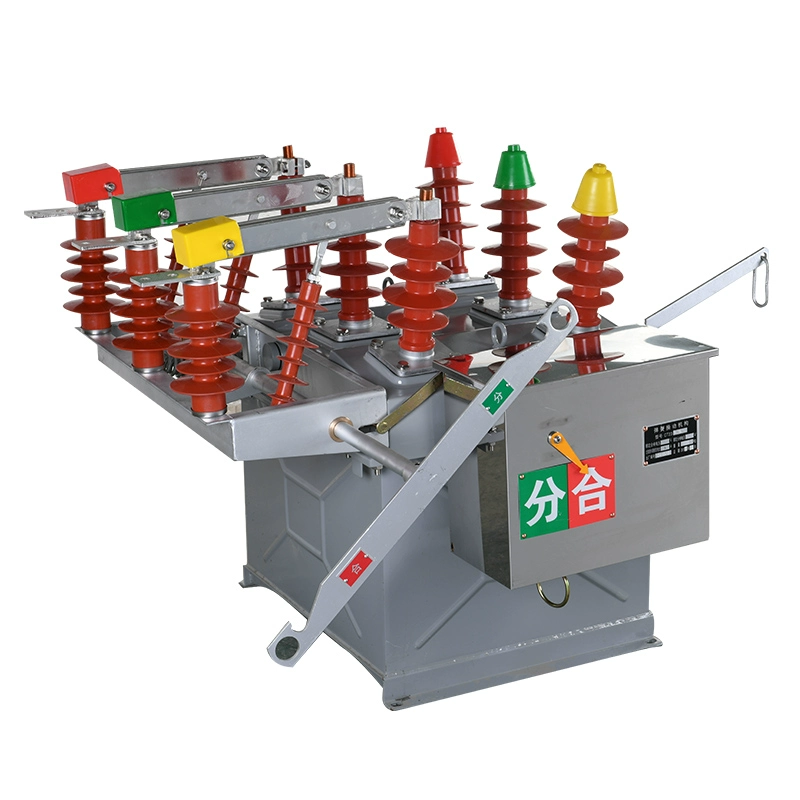
Here is why experienced buyers consistently favor Outdoor Vacuum Circuit Breakers:
- Extremely low maintenance requirements
- High mechanical and electrical endurance
- No oil, no gas, no fire hazard
- Strong performance in dust, humidity, and altitude
- Stable operation across temperature extremes
No sub-points. No marketing fluff. Just what matters when you sign a purchase order.
Outdoor VCB vs Other Technologies (Quick Comparison)
Below is a clear, procurement-friendly comparison to help you evaluate options.
| Breaker Type | Arc Medium | Maintenance Level | Environmental Impact | Typical Application |
|---|---|---|---|---|
| Vacuum Circuit Breaker | Vacuum | Very Low | Eco-friendly | Outdoor MV distribution |
| SF6 Circuit Breaker | SF6 Gas | Medium | High GWP gas | High-voltage substations |
| Oil Circuit Breaker | Insulating Oil | High | Fire & pollution risk | Legacy systems |
| ACB | Air | Medium | Low | Low-voltage indoor use |
From a long-term procurement angle, vacuum technology offers the best balance between performance, compliance, and cost.
FAQ
Which Is Better, SF6 Or VCB?
For outdoor medium-voltage distribution, VCB is generally better.
SF₆ breakers still dominate extra-high voltage systems, but they come with regulatory pressure because SF₆ is a potent greenhouse gas. Many countries are actively restricting or monitoring its use.
Vacuum breakers avoid this entirely. No gas handling. No leakage tracking. No environmental penalties. For buyers planning 20+ years ahead, that matters—a lot.
Why Do Vacuum Breakers Fail?
They rarely fail—but when they do, it is usually due to mechanical wear, not arc damage.
Common root causes include poor installation, excessive switching beyond rated duty, or control mechanism fatigue after decades of operation. The vacuum interrupter itself is extremely durable.
In one utility audit, over 90% of replaced VCBs were still electrically sound—the replacement was driven by mechanism aging, not vacuum loss.
That is a reassuring failure mode, if you think about it.
What Are Common VCB Problems?
You may encounter contact erosion, spring fatigue, auxiliary switch wear, or control circuit aging over time. These issues develop slowly and are easy to monitor with periodic inspections.
Unlike oil or gas breakers, VCBs do not suffer from contamination, pressure loss, or explosive risks. Problems are predictable—and predictability is gold in procurement.
Why Do We Use VCB Instead Of ACB?
Because ACBs are not designed for medium voltage.
Air circuit breakers typically operate below 1kV and are used indoors. A vacuum circuit breaker handles much higher voltages and fault levels with far greater dielectric strength.
Choosing ACB instead of VCB for MV applications is not cost-saving—it is a design error.
Will A Vacuum Breaker Prevent Backflow?
No—and this is a common misunderstanding.
A vacuum circuit breaker is not a backflow prevention device. It interrupts electrical current, not fluid flow. Electrical backfeed prevention requires protection relays and proper system coordination, not breaker type alone.
That said, VCBs integrate very well with modern protection schemes that do prevent reverse power issues.
How Reliable Are Vacuum Circuit Breakers?
Extremely reliable.
Modern outdoor VCBs are rated for 10,000–30,000 mechanical operations and decades of service. Many units installed in the 1990s are still operating today with minimal intervention.
Reliability data published by CIGRÉ consistently shows vacuum technology outperforming oil and air systems in distribution networks.
What Is The Life Expectancy Of A Vacuum Circuit Breaker?
Typically 20–30 years, sometimes longer with proper maintenance.
From a buyer’s perspective, this translates into fewer replacements, lower spare parts inventory, and better lifecycle ROI. That is why utilities often standardize on vacuum breakers across entire regions.
Conclusion
If you are evaluating protection solutions for medium-voltage outdoor systems, the Outdoor Vacuum Circuit Breaker is no longer just an option—it is often the most rational choice. You gain long service life, stable performance in harsh environments, and freedom from oil or gas-related risks. From a procurement standpoint, that means lower total cost, fewer headaches, and better long-term compliance.
For buyers who value reliability over novelty and predictability over complexity, vacuum breakers deliver exactly what you need—without surprises. If you are planning a new project or replacing legacy equipment, now is the time to reassess your strategy.
Talk to Beiye Electric to explore specifications, case references, and configuration options tailored to your network. The right breaker today protects your system for decades to come.


