


What Is Difference Between LV And High Voltage Switchgear
When purchasing electrical switchgear, both low-voltage and high-voltage switchgear are available. Although they appear similar on the surface, there are significant differences in terms of safety, cost, reliability, and long-term return on investment.
This article will help purchasing decision-makers understand these differences and how to choose the right switchgear for their specific application.
Low Voltage (LV) VS High Voltage Switchgear: 6 Difference
What Is The Difference Between HV And LV Switchgear?The differences lie in the definition, standard voltage range, design structure and appearance, functions and application scenarios, safety requirements and operation, and cost considerations.。
Definition
What Is Low Voltage Switchgear?
Low Voltage switchgear refers to electrical switchgear assemblies designed to control, protect, and isolate electrical circuits up to 1,000V AC (or 1,500V DC). In practical terms, this is the gear you’ll see in commercial buildings, factories, data centers, hospitals, and malls—places where power distribution happens after the main step-down transformer.
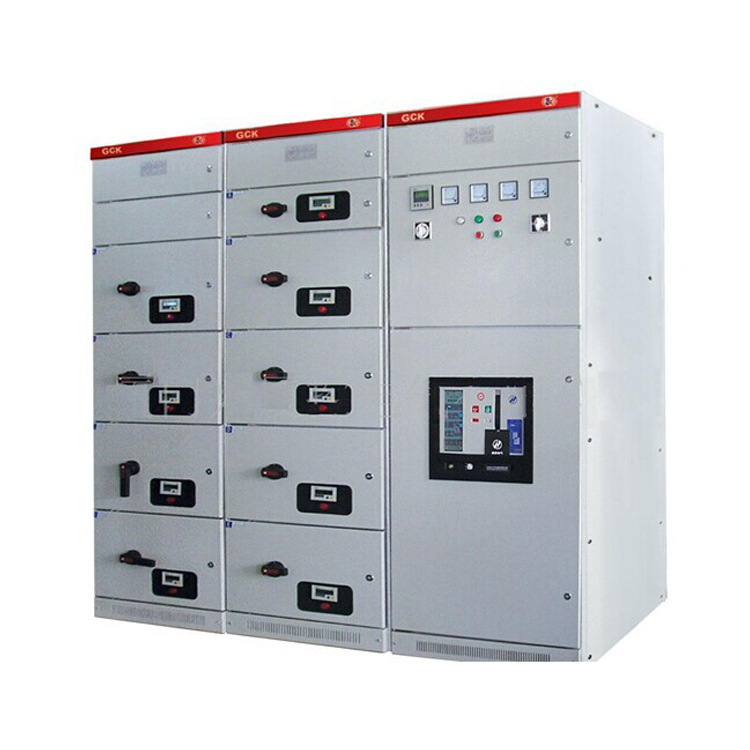
From a buyer’s point of view, LV switchgear is about accessibility and flexibility. It often includes air circuit breakers (ACBs), molded case circuit breakers (MCCBs), contactors, relays, and metering devices, all packed into modular panels. At Beiye Electric, LV switchgear projects often emphasize fast delivery, customization, and easy future expansion, because your load today may not be your load next year.
What Is An HV Switchgear?
High Voltage switchgear is used for voltages above 1kV, commonly ranging from 3.3kV up to 220kV or higher, depending on standards and application. This type of switchgear operates at the front end of the power system, closer to generation or primary distribution.
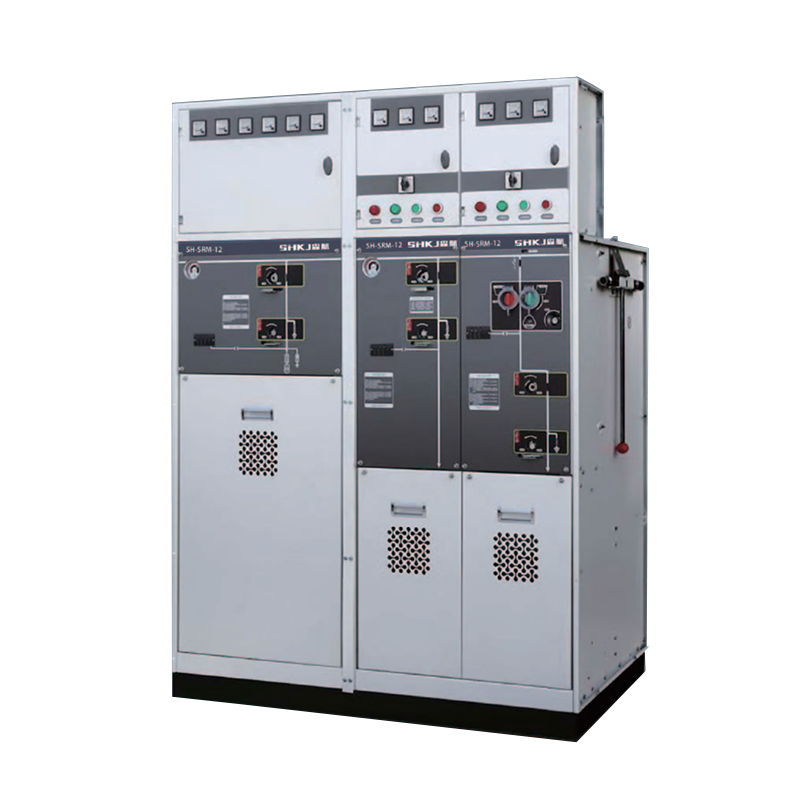
As a procurement buyer, think of HV switchgear as mission-critical infrastructure. It handles massive fault energy, requires strict insulation coordination, and often uses vacuum circuit breakers (VCB), SF₆ breakers, or gas-insulated technology. You’re not just buying equipment—you’re buying risk control.
Standard Voltage Range
Voltage level is the most obvious difference, but it’s also the most misunderstood.
- Low Voltage Switchgear typically operates below 1kV. This is where human interaction is frequent, switching is routine, and equipment is designed for hands-on operation.
- High Voltage Switchgear starts above 1kV and can extend into ultra-high voltage territory. At these levels, even a small design or installation error can result in catastrophic failure.
Here’s a simplified comparison you can scan quickly during vendor evaluation:
If you’re ever unsure whether your project is “LV or HV,” check where your switchgear sits relative to the transformer—that usually tells the truth faster than any spec document.
Design Structure And Appearance
At first glance, switchgear cabinets can look deceptively similar. But once you know what to look for, the differences become obvious.
Low Voltage Switchgear tends to be:
- Compact and modular in design
- Front-access or front-and-rear access
- Equipped with visible operating handles, meters, and indicator lights
You’ll notice that LV panels are designed with people in mind. Operators are expected to open doors, rack breakers in and out, and perform maintenance with minimal PPE.
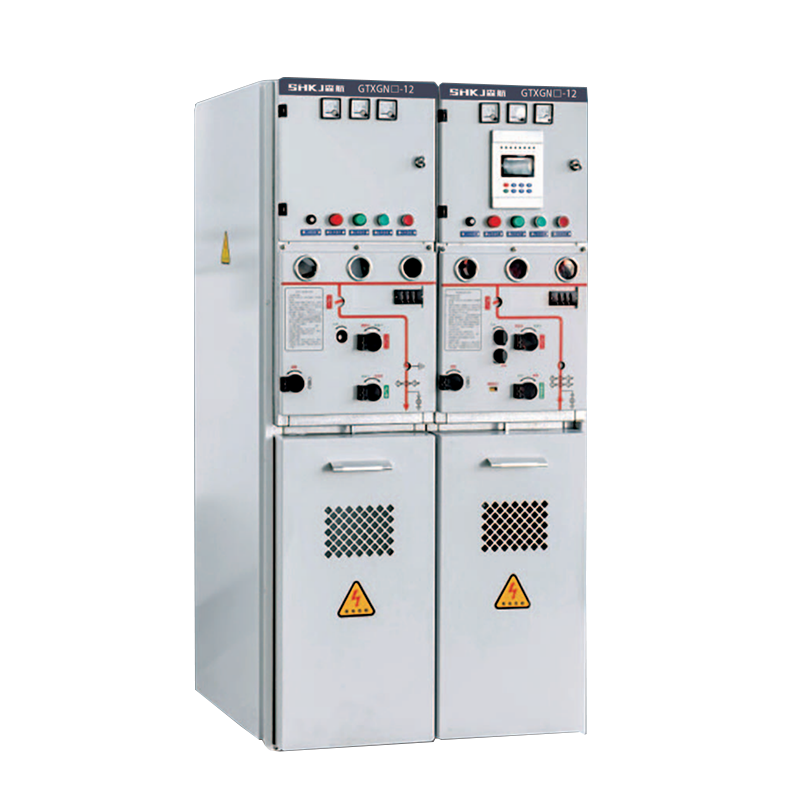
High Voltage Switchgear, on the other hand:
- Is physically larger and heavier
- Uses thick insulation distances and sealed compartments
- Often hides live parts behind metal or gas-filled barriers
In one Beiye Electric project for an industrial park, the client initially requested an “LV-style cabinet” appearance for a 10kV system. Once they saw the insulation clearances required by standards like IEC 62271, it became clear why HV switchgear simply cannot be slimmed down without compromising safety.
Functions And Application Scenarios
This is where procurement decisions start to feel “real.”
Low Voltage Switchgear is primarily used for:
- Power distribution within buildings
- Motor control centers (MCCs)
- Final load protection
It’s ideal when you need frequent switching, easy expansion, and straightforward troubleshooting. A shopping mall project we supported used LV switchgear to segment lighting, HVAC, EV chargers, and tenant loads—allowing phased commissioning and smooth tenant turnover.
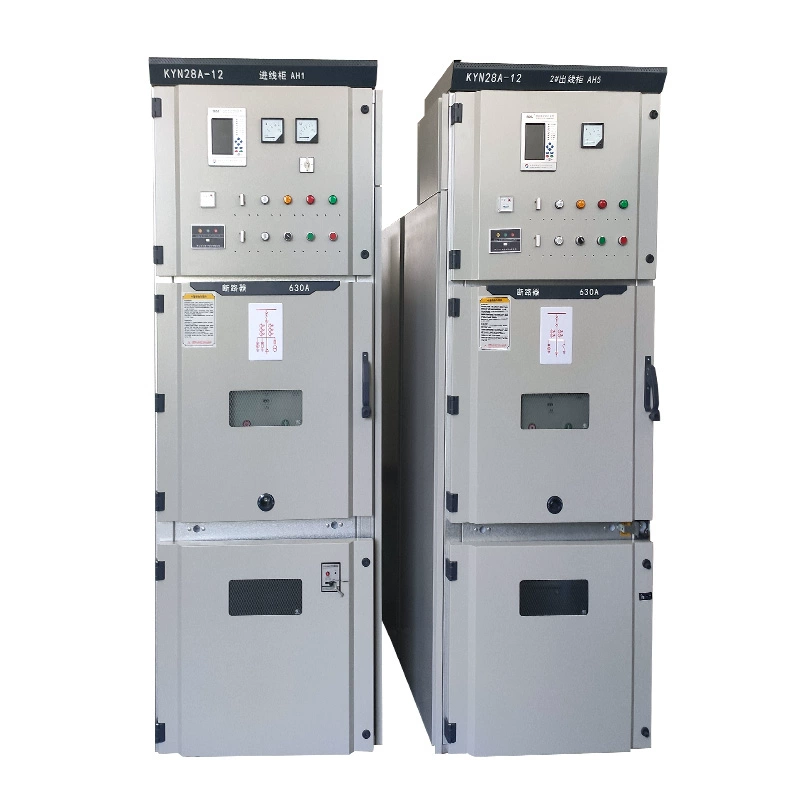
High Voltage Switchgear is designed for:
- Incoming utility power control
- Large industrial feeders
- Substation protection and isolation
Here, the function is less about flexibility and more about fault interruption capacity and system stability. You may operate it only a few times a year—but when you do, it must perform flawlessly.
Safety Requirements And Operations
If there’s one area where LV and HV switchgear cannot be treated the same, it’s safety.
With Low Voltage Switchgear, you typically deal with:
- Arc-flash risk, but manageable with PPE
- Lockout-tagout procedures
- Live work (in some regions, under strict rules)
With High Voltage Switchgear, safety escalates dramatically:
- Remote operation is common
- Interlocks are mandatory, not optional
- Access is restricted to certified personnel
Here’s a practical buyer insight: HV switchgear cost often looks high upfront, but a large portion of that cost is actually engineered safety—interlocking systems, arc-proof structures, and insulation coordination. Cutting corners here is never worth it.
Cost Considerations
From a procurement angle, cost is never just the purchase price.
Low Voltage Switchgear generally offers:
- Lower initial equipment cost
- Faster manufacturing and delivery
- Lower installation and commissioning cost
However, customization, smart monitoring, and high short-circuit ratings can push prices up quickly.
High Voltage Switchgear involves:
- Higher equipment and testing costs
- Specialized installation teams
- Longer lead times
One Beiye Electric client initially hesitated at the HV quotation, but after calculating downtime risk and insurance requirements, they realized the lifecycle cost favored a higher-quality HV solution.
Consider Factors When Selecting
When you’re choosing between Low Voltage Switchgear and High Voltage Switchgear, focus on what actually matters to your project:
- System voltage and fault level
- Operational frequency
- Safety and regulatory compliance
- Expansion plans
- Total lifecycle cost
As a buyer, your “instinct” is also important. If a solution feels overly complex or lacks sufficient security, it’s likely that it is indeed the case.
FAQ
What Is The Fundamental Difference?
The fundamental difference lies in voltage level and risk profile. LV switchgear manages distribution close to end-users, while HV switchgear controls and protects the backbone of the power system.
What Is The Biggest Difference In Operation?
Operation frequency. LV switchgear is switched often; HV switchgear is switched rarely but under far more critical conditions.
Can I Quickly Distinguish Them By Their Appearance?
Usually, yes. HV switchgear is larger, more sealed, and lacks exposed operating components compared to LV panels.
What Category Does Medium Voltage (MV) Belong To?
Medium Voltage sits between LV and HV, typically 1kV–36kV. In procurement, it’s often grouped with HV due to similar safety and design requirements.
Do Maintenance Personnel Need Different Qualifications?
Absolutely. HV maintenance requires certified, trained personnel, often with utility or substation experience.
Can I Open The Door Of The High-Voltage Switchgear At Will?
No—and you shouldn’t want to. Interlocks and procedures exist to prevent fatal accidents.
Are Requirements For Insulation Resistance Testing The Same?
The principle is similar, but HV testing uses much higher voltages and stricter acceptance criteria.
As Electrical Engineer, What Should Be The Focus Of Learning?
You should focus on system coordination, protection philosophy, and real-world failure cases, not just textbook diagrams.
Conclusion
Choosing between Low Voltage Switchgear and High Voltage Switchgear is not about which is “better”—it’s about which is right for your system. LV switchgear gives you flexibility, accessibility, and cost efficiency at the load side, while HV switchgear delivers uncompromising safety and reliability where power risk is highest. As a procurement professional, your role is to balance technical requirements with budget, timelines, and long-term operation. If you’re planning a project or reviewing specifications right now, take a moment to reassess your voltage level, safety expectations, and future expansion plans. And when you’re ready, talk to a manufacturer like Beiye Electric that understands both the technical details and the real-world pressures you face—because the right switchgear decision today protects your investment for decades.


