

How Long Does High Voltage Switchgear Last? Lifecycle and Maintenance Tips
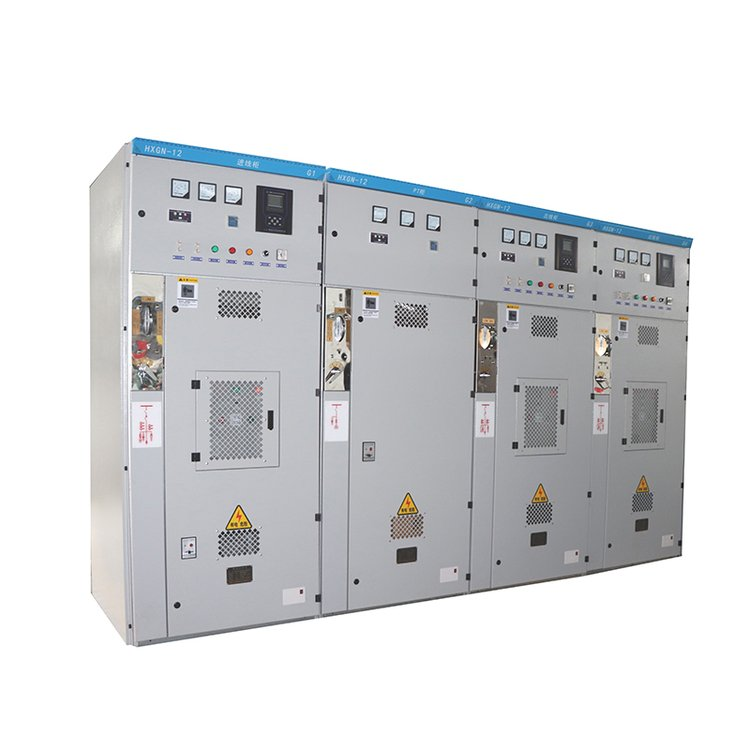
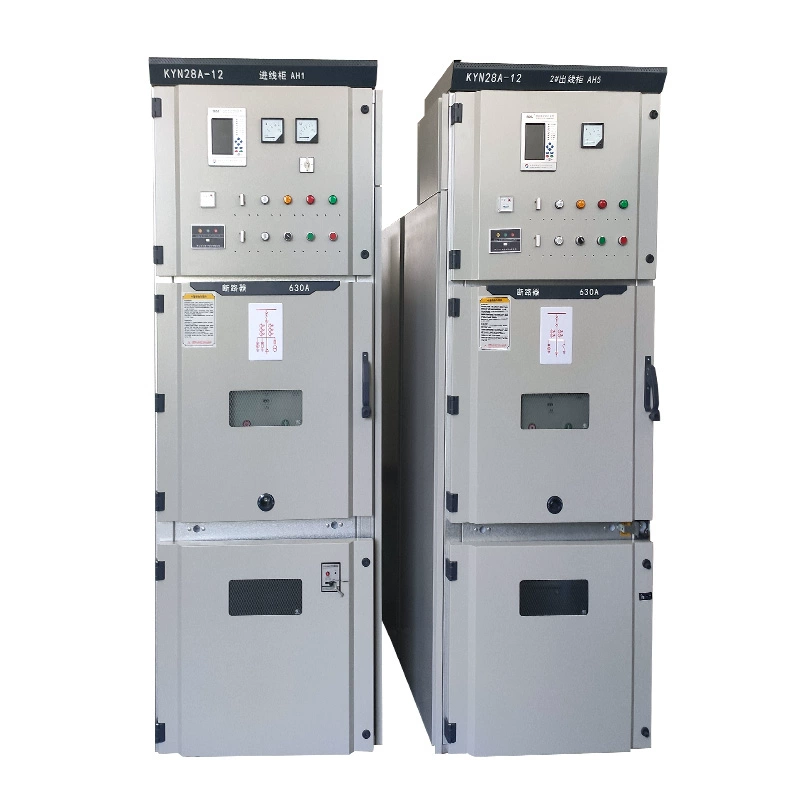
High voltage switchgear is one of the most critical components in modern power distribution systems. It controls, protects, and isolates electrical circuits in industrial facilities, substations, renewable energy projects, and utility networks.
For investors, electrical contractors, and power system operators, understanding the service life of high voltage electrical switchgear is essential for reducing downtime, controlling maintenance costs, and ensuring long-term grid reliability.
Generally, well-designed high voltage switchgear can operate reliably for 20 to 40 years when properly installed and maintained. However, the actual lifespan depends on multiple factors, including equipment quality, operating environment, switching frequency, insulation performance, and maintenance practices.
Choosing an experienced HV Switchgear Manufacturer is one of the most important decisions that directly affects equipment durability. High-quality materials, advanced manufacturing processes, and strict testing standards can significantly extend the operational life of switchgear systems.
As a professional electrical equipment manufacturer, Beiye Electric provides reliable high voltage switchgear solutions designed for demanding industrial and power distribution applications. With advanced production technology and strict quality control, Beiye Electric helps global customers achieve safer and more stable electrical operations.
How Long Does High Voltage Switchgear Last? Lifecycle And Maintenance Tips
Typical Lifespan Expectations
The average service life of high voltage switchgear depends on its design type, voltage level, installation environment, and maintenance condition.
In general:
- Indoor high voltage switchgear typically lasts 25–40 years because it operates in controlled environments with lower exposure to moisture, dust, and temperature fluctuations.
- Outdoor high voltage switchgear usually has a lifespan of around 20–30 years due to exposure to weather conditions, pollution, humidity, and temperature changes.
- High-performance switchgear installed in substations and industrial facilities may continue operating beyond its expected lifespan when supported by regular inspection and component replacement.
The lifecycle of high voltage switchgear normally includes four stages:
1. Installation And Commissioning Stage
During this stage, correct installation and testing determine the future reliability of the equipment. Incorrect cable connections, improper grounding, or installation errors can reduce the expected service life.
2. Normal Operation Stage
Most switchgear operates efficiently during this period. Regular monitoring, preventive maintenance, and electrical testing help maintain performance.
3. Aging Stage
After decades of operation, components such as insulation materials, mechanical operating mechanisms, circuit breaker contacts, and sealing parts may experience gradual degradation.
4. Upgrade Or Replacement Stage
When maintenance costs increase or safety risks appear, companies need to decide whether to retrofit existing equipment or replace it with new technology.
For companies purchasing wholesale high voltage switchgear, considering the complete lifecycle cost is more important than focusing only on the initial purchase price. Reliable equipment with a longer service life can significantly reduce operational expenses over time.
Key Factors Influencing Equipment Lifespan
Several technical and environmental factors determine how long high voltage switchgear can operate safely and efficiently.
1. Equipment Design And Manufacturing Quality
The quality of switchgear design directly affects reliability. A professional HV Switchgear Manufacturer should use high-quality electrical components, durable enclosure materials, and advanced manufacturing processes.
Important design factors include:
- Mechanical strength of the switchgear cabinet
- Insulation system reliability
- Arc protection performance
- Busbar design quality
- Circuit breaker operating mechanism durability
2. Operating Environment
Environmental conditions have a significant impact on switchgear lifespan.
Factors that accelerate aging include:
- High humidity
- Dust accumulation
- Salt pollution in coastal areas
- Extreme temperature variations
- Chemical corrosion
For outdoor applications, selecting suitable outdoor-rated equipment is essential. Proper enclosure protection and corrosion-resistant materials help maintain long-term performance.
3. Switching Frequency And Electrical Load
Switchgear used in applications with frequent switching operations experiences greater mechanical and electrical stress.
For example:
- Industrial power distribution systems with frequent switching require more frequent inspections.
- Utility substations with stable operation may experience slower component wear.
- Renewable energy projects may require equipment designed for variable power conditions.
4. Maintenance Quality
Even premium Switchgear China products require proper maintenance.
A well-maintained switchgear system can continue operating safely for many years, while poorly maintained equipment may experience insulation failure, overheating, contact damage, or unexpected shutdowns much earlier.
Regular preventive maintenance is therefore one of the most cost-effective methods to maximize equipment lifespan.
Maintenance Strategies To Extend Switchgear Lifespan
Proper maintenance is the key factor that determines whether high voltage switchgear reaches its expected service life or experiences premature failure.
Even the most advanced high voltage electrical switchgear requires regular inspection, testing, and preventive maintenance to ensure safe operation.
For power utilities, industrial facilities, and commercial projects, a structured maintenance program can help:
- Reduce unexpected equipment failures
- Improve electrical system reliability
- Extend switchgear operating life
- Lower long-term replacement costs
- Improve workplace safety
A professional HV Switchgear Manufacturer should not only provide reliable equipment but also consider long-term operation requirements when designing switchgear systems.
Routine Inspection & Preventive Maintenance
Routine inspection is the foundation of high voltage switchgear maintenance. Regular monitoring allows operators to identify potential problems before they develop into major failures.
A preventive maintenance schedule usually includes visual inspections, mechanical checks, electrical testing, and performance monitoring.
Visual Inspection
Visual inspections help detect early signs of deterioration, including:
- Dust or contamination inside switchgear cabinets
- Signs of moisture or corrosion
- Damaged insulation components
- Loose connections
- Abnormal discoloration caused by overheating
For outdoor high voltage switchgear, inspections should also focus on enclosure protection, sealing performance, and environmental damage.
Electrical Testing
Electrical testing helps verify that switchgear continues to operate within safety requirements.
Common tests include:
- Insulation resistance testing
- Contact resistance measurement
- Partial discharge testing
- Circuit breaker timing tests
- High voltage withstand testing
These tests are especially important for aging equipment because insulation degradation and contact wear are common causes of high voltage switchgear failure.
Mechanical Operation Checks
The mechanical operating system of switchgear must function smoothly to ensure reliable switching performance.
Maintenance teams should check:
- Circuit breaker opening and closing operations
- Operating mechanism performance
- Interlocking system reliability
- Spring charging mechanism condition
- Mechanical wear of moving parts
Failure of mechanical components can prevent circuit breakers from operating correctly during emergency situations.
Lubrication, Cleaning, And Tightening
Many switchgear failures are caused by simple maintenance issues such as contamination, loose connections, or insufficient lubrication.
Regular cleaning and mechanical maintenance can significantly improve equipment reliability.
Cleaning And Contamination Control
Dust, moisture, and industrial pollutants can reduce insulation performance and increase the risk of electrical faults.
Maintenance teams should regularly clean:
- Insulating surfaces
- Busbar compartments
- Circuit breaker components
- Ventilation areas
- Cable connection points
For industrial environments with heavy pollution, more frequent cleaning schedules may be required.
Lubrication Of Mechanical Components
Switchgear operating mechanisms contain moving parts that require proper lubrication.
Insufficient lubrication may cause:
- Slow circuit breaker operation
- Increased mechanical wear
- Switching failures
- Reduced equipment reliability
Using suitable lubricants recommended by the manufacturer helps maintain smooth mechanical operation throughout the equipment lifecycle.
Tightening Electrical Connections
Loose electrical connections are one of the major causes of overheating in high voltage equipment.
Regular torque checks should be performed on:
- Busbar connections
- Cable terminals
- Grounding connections
- Terminal blocks
A reliable China High Voltage Switchgear supplier should ensure proper connection design and manufacturing accuracy to minimize maintenance risks.
Modern Retrofitting Vs. Complete Replacement
When high voltage switchgear reaches an advanced operating age, companies often face a decision: retrofit existing equipment or replace the entire system.
The best choice depends on equipment condition, project requirements, safety considerations, and future expansion plans.
When Retrofitting Is A Suitable Option
Retrofitting can extend the service life of existing switchgear by upgrading specific components instead of replacing the entire system.
Common retrofit solutions include:
- Replacing aging circuit breaker components
- Upgrading protection relays
- Improving monitoring systems
- Replacing insulation components
- Installing modern control technology
Advantages of retrofitting:
- Lower investment cost
- Reduced installation downtime
- Extended equipment lifecycle
- Improved system performance
For many industrial users, retrofitting provides a practical solution when the main switchgear structure remains reliable.
When Complete Replacement Is Recommended
Complete replacement is usually necessary when:
- The switchgear has exceeded its designed service life
- Major insulation degradation occurs
- Spare parts are no longer available
- Maintenance costs exceed replacement costs
- Safety standards have changed significantly
Modern high voltage switchgear offers improved safety features, better monitoring capabilities, and higher operational efficiency.
When selecting replacement equipment, working with an experienced HV Switchgear Manufacturer helps ensure compatibility, reliability, and long-term performance.
Signs High Voltage Switchgear Needs Repair Or Replacement
Identifying early warning signs is essential for preventing electrical failures and costly downtime.
Although high-quality switchgear can operate for decades, aging equipment may eventually show performance problems.
The following signs indicate that inspection, repair, or replacement may be required.
1. Frequent Electrical Faults Or Unexpected Shutdowns
Repeated tripping, unexpected shutdowns, or protection system alarms may indicate internal problems.
Possible causes include:
- Insulation deterioration
- Circuit breaker failure
- Control system problems
- Internal overheating
Frequent failures should not be ignored because they may create serious safety risks.
2. Visible Damage Or Corrosion
Physical deterioration is another important indicator.
Warning signs include:
- Rust on metal components
- Damaged enclosure panels
- Cracked insulation materials
- Water leakage marks
For outdoor installations, corrosion protection is especially important because environmental exposure can accelerate equipment aging.
3. Abnormal Heating And Burning Smell
Overheating is one of the most common signs of switchgear problems.
Possible causes include:
- Loose electrical connections
- High contact resistance
- Overloaded circuits
- Aging components
Thermal imaging inspections can help detect abnormal temperature increases before serious damage occurs.
4. Outdated Technology And Lack Of Spare Parts
Older switchgear models may become difficult to maintain because manufacturers stop producing replacement components.
In this situation, upgrading to modern equipment may provide better reliability and easier maintenance support.
5. Increased Maintenance Costs
When repair expenses continue increasing, replacing old equipment may become more economical.
A lifecycle cost analysis should consider:
- Current repair costs
- Expected remaining lifespan
- Energy efficiency improvements
- Future operational requirements
For companies purchasing wholesale high voltage switchgear, selecting durable equipment from a reliable supplier can significantly reduce future maintenance expenses.
Choosing The Right HV Switchgear Manufacturer
Selecting the right HV Switchgear Manufacturer is one of the most important decisions for ensuring long-term electrical system reliability.
For utilities, EPC contractors, industrial companies, and electrical distributors, switchgear quality directly affects operational safety, maintenance costs, and project performance.
A reliable manufacturer should provide not only high-quality equipment but also technical expertise, customization capability, strict quality control, and long-term support.
1. Evaluate Manufacturing Capability And Technical Experience
An experienced manufacturer should have strong engineering capabilities and a proven track record in high voltage electrical equipment production.
Before selecting a supplier, buyers should evaluate:
- Years of experience in high voltage equipment manufacturing
- Production capacity and factory capabilities
- Engineering and R&D capabilities
- Quality management systems
- Experience serving international markets
Beiye Electric focuses on providing reliable high voltage electrical solutions for global customers. With professional manufacturing experience, advanced production processes, and strict inspection procedures, Beiye Electric helps customers achieve safe and stable power distribution performance.
2. Check Product Quality And Testing Standards
The reliability of China High Voltage Switchgear depends heavily on manufacturing quality and testing procedures.
A trustworthy supplier should perform comprehensive inspections, including:
- Mechanical operation testing
- Insulation performance testing
- Electrical performance testing
- Temperature rise testing
- Protection function verification
High-quality switchgear should maintain stable performance under different operating conditions, including industrial environments, substations, and renewable energy applications.
3. Consider Customization And Application Requirements
Different projects have different electrical requirements.
For example:
- Industrial facilities may require high reliability and frequent switching capability.
- Utility projects may require advanced protection and monitoring functions.
- Renewable energy systems may require flexible configuration options.
- Commercial projects may focus on compact design and operational safety.
A professional Switchgear China supplier should provide customized solutions according to voltage level, installation environment, protection requirements, and project standards.
4. Compare Total Lifecycle Value Instead Of Initial Price
When purchasing wholesale high voltage switchgear, focusing only on the initial purchase price may result in higher long-term costs.
A better evaluation should include:
- Equipment service life
- Maintenance requirements
- Spare parts availability
- Energy efficiency
- Technical support
High-quality equipment may require a higher initial investment but can provide better reliability and lower operating costs throughout its lifecycle.
5. Choose A Manufacturer With Reliable After-Sales Support
High voltage switchgear is a long-term investment. Professional technical support is important throughout the equipment lifecycle.
A reliable manufacturer should provide:
- Installation guidance
- Operation manuals
- Maintenance recommendations
- Troubleshooting support
- Spare parts supply
By working with an experienced manufacturer like Beiye Electric, customers can receive professional support from equipment selection to long-term operation.
FAQ
Why Should I Source From Experienced HV Switchgear Manufacturer?
Experienced HV Switchgear Manufacturer companies usually have better engineering capabilities, quality control systems, and production experience.
For B2B buyers, choosing an experienced supplier reduces risks related to equipment reliability, installation problems, and long-term maintenance costs.
A professional manufacturer can also provide customized solutions based on different voltage levels, applications, and project requirements.
What Is The Lifespan Of Indoor Vs Outdoor High Voltage Switchgear?
Indoor high voltage switchgear typically lasts around 25–40 years because it operates in a controlled environment with less exposure to moisture, dust, and weather conditions.
Outdoor high voltage switchgear generally has a lifespan of about 20–30 years due to environmental factors such as temperature changes, humidity, pollution, and corrosion.
Proper maintenance can significantly extend the service life of both types.
How Often Should High Voltage Switchgear Undergo Major Maintenance?
Major maintenance for high voltage switchgear is typically recommended every 3–5 years, depending on operating conditions, equipment type, manufacturer recommendations, and switching frequency.
Facilities with heavy loads, harsh environments, or frequent switching operations may require more frequent maintenance.
How Often Should High Voltage Switchgear Undergo Preventive Maintenance?
Preventive maintenance should usually be performed annually or according to the manufacturer’s maintenance schedule.
Regular preventive maintenance may include:
- Visual inspections
- Electrical testing
- Cleaning
- Connection tightening
- Mechanical operation checks
A consistent maintenance plan helps identify potential failures before they affect system operation.
What Key Tests Should Be Performed During Routine Switchgear Inspections?
Common inspection tests include:
- Insulation resistance testing
- Contact resistance testing
- Partial discharge testing
- Circuit breaker timing tests
- Protection system verification
These tests help evaluate the electrical and mechanical condition of high voltage electrical switchgear.
How Do I Verify The Reliability And Quality Of Switchgear China Suppliers?
To verify a Switchgear China supplier, buyers should evaluate:
- Manufacturing experience
- Factory capabilities
- Product certifications
- Testing procedures
- Customer references
- Technical support capabilities
A reliable supplier should demonstrate consistent product quality and provide transparent technical information.
How Do Busbar And Insulation Quality Impact The Total Lifespan Of Switchgear?
Busbar and insulation quality directly influence switchgear reliability.
High-quality busbars reduce overheating risks and improve current-carrying performance, while reliable insulation systems help prevent electrical breakdown and partial discharge.
Poor-quality insulation can accelerate aging and lead to serious equipment failures.
What Safety Protocols Must Be Followed During High Voltage Switchgear Maintenance?
During maintenance, technicians should follow strict safety procedures, including:
- Disconnecting and isolating electrical sources
- Confirming absence of voltage
- Using appropriate personal protective equipment
- Following lockout/tagout procedures
- Performing maintenance according to manufacturer guidelines
High voltage equipment maintenance should always be performed by qualified professionals.
Conclusion
High voltage switchgear is designed for long-term operation, with a typical service life of 20–40 years depending on equipment quality, environmental conditions, and maintenance practices.
However, achieving maximum lifespan requires more than purchasing reliable equipment. Regular inspection, preventive maintenance, timely upgrades, and professional technical support are essential for maintaining safe and efficient power distribution systems.
For companies looking for reliable high voltage electrical switchgear solutions, selecting an experienced HV Switchgear Manufacturer is the foundation of long-term success.
Beiye Electric provides high-quality high voltage switchgear solutions for global industrial, utility, and commercial applications. With professional manufacturing capabilities, strict quality control, and customer-focused service, Beiye Electric supports partners in building safer and more reliable electrical systems.
Contact Beiye Electric For High Voltage Switchgear Solutions
Looking for a reliable China High Voltage Switchgear supplier for your next project?
Contact Beiye Electric today to discuss your requirements and receive professional technical support.


