

High Voltage Switchgear Internal Structure, Components And Types
Modern power systems rely on reliable switching and protection equipment to ensure the safe transmission and distribution of electricity. One of the most critical devices used in medium and high-voltage electrical networks is high voltage switchgear. It plays a vital role in protecting electrical equipment, isolating faults, and maintaining stable power supply.
High voltage switchgear is widely used in power plants, substations, industrial facilities, commercial buildings, and large infrastructure projects. By integrating circuit breakers, protection relays, busbars, and grounding systems into a single metal-enclosed structure, switchgear enables safe control and protection of high-voltage circuits.
This article provides a complete guide to the internal structure, components, types, and working principles of high voltage switchgear, helping engineers, buyers, and facility managers better understand how these systems operate.
Internal Structure Of High Voltage Switchgear
Modern metal-enclosed switchgear is designed with multiple isolated compartments to improve operational safety, reliability, and maintenance accessibility.
Typically, the structure is divided into four main compartments:
- Busbar compartment
- Circuit breaker compartment
- Cable compartment
- Instrument compartment
Each compartment contains specific electrical components responsible for switching, protection, and monitoring.
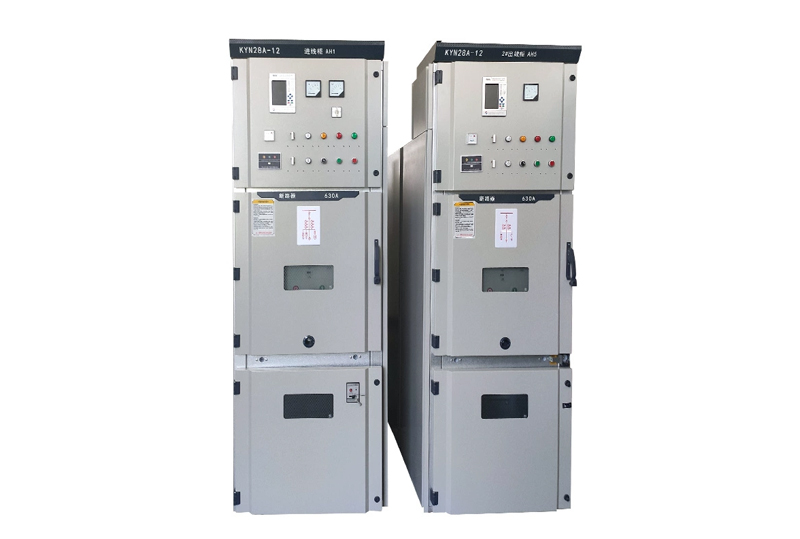
Busbar Compartment
The busbar compartment is located in the upper part of the switchgear cabinet and contains the main conductors that distribute electrical power throughout the system.
Key Components
- Busbar
- Branch busbar
- Insulating supports
Function
Busbars act as central power distribution channels within the switchgear system. Electrical energy from incoming feeders flows through the busbar and is then distributed to outgoing circuits.
Design Characteristics
High voltage busbars are designed with:
- Copper or aluminum conductors
- High insulation strength
- Heat resistance
- Short-circuit withstand capability
Proper busbar design is critical for maintaining current stability and thermal performance.

Circuit Breaker Compartment
The circuit breaker compartment houses the vacuum circuit breaker and associated switching mechanisms.
Major Components
- Vacuum circuit breaker
- Static contact device
- Spring contact
- Withdrawable handcart
Vacuum Circuit Breaker
The vacuum circuit breaker is the core switching device in high voltage switchgear. It interrupts electrical current during normal operation or fault conditions.
In a vacuum circuit breaker:
- Contacts are enclosed inside a vacuum chamber
- Arcing occurs without ionized gas
- The arc extinguishes quickly
This results in:
- Long service life
- Minimal maintenance
- High reliability
Withdrawable Truck Mechanism
Many modern switchgear systems use withdrawable circuit breakers mounted on a movable truck.
The truck allows the breaker to move between:
- Service position
- Test position
- Maintenance position
This design simplifies maintenance and improves operational safety.
Cable Compartment
The cable compartment connects external power cables to the switchgear system.
Key Components
- Cable sealed terminals
- Current transformer (CT)
- Earthing switch
Cable Terminals
Cable terminals provide secure connections between incoming or outgoing power cables and the internal switchgear conductors.
Current Transformers (CT)
CTs measure electrical current and send signals to protection relays for monitoring and fault detection.
Earthing Switch
The earthing switch is used to ground electrical circuits during maintenance to ensure personnel safety.
Instrument Compartment
The instrument compartment contains control and protection devices responsible for monitoring and managing switchgear operation.
Key Components
- Protection relay
- Secondary plug
- Auxiliary switch
- Control wiring
Protection Relays
Modern switchgear uses microprocessor-based protection relays to detect abnormal conditions such as:
- Overcurrent
- Overvoltage
- Short circuit
- Ground fault
Once a fault is detected, the relay sends a signal to the circuit breaker to trip and isolate the faulty circuit.
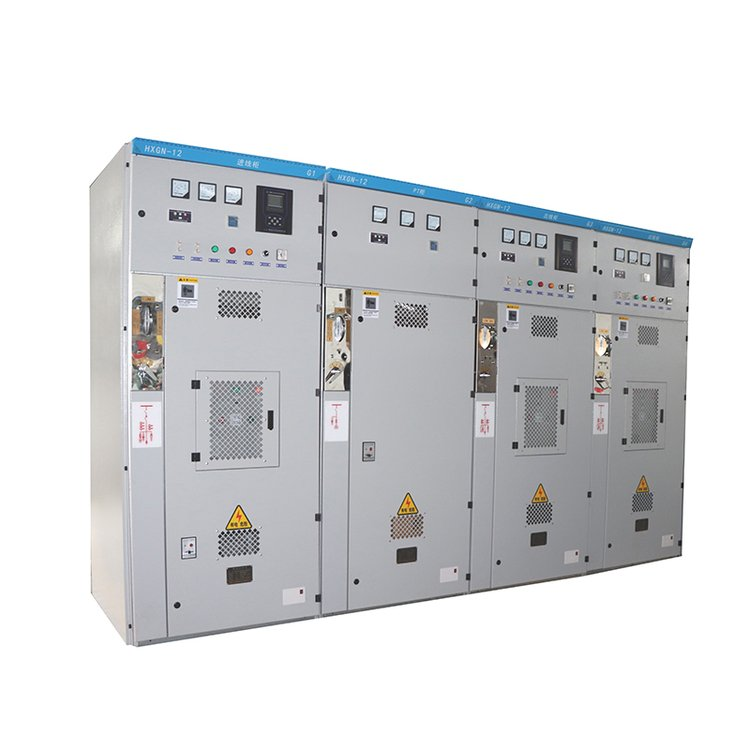
Detailed High Voltage Switchgear Components
A typical metal-enclosed switchgear system contains many structural and functional components.
Structural Components
- Shell (cabinet enclosure)
- Pressure release plate
- Bottom slab
- Control cable cover
These components provide mechanical strength and safety protection.
Electrical Conducting Components
- Busbar
- Branch busbar
- Static contact device
- Spring contact
They allow electrical current to flow within the switchgear.
Measurement And Protection Components
- Current transformer (CT)
- Potential transformer (PT)
- Protection relay
- Auxiliary switch
These devices monitor system parameters and trigger protection functions.
Mechanical Operating Components
- Draw-out handcart
- Lead screw mechanism
- Earthing knife switch mechanism
They support mechanical movement and switching operations.
Five Safety Interlock Systems In Switchgear
To prevent operational errors and ensure safety, modern switchgear incorporates five essential safety interlock mechanisms.
1 Prevent Closing Under Load
The circuit breaker cannot be inserted into the service position if it is already closed.
2 Prevent Closing With Earthing Switch Closed
If the earthing switch is closed, the circuit breaker cannot be closed.
3 Prevent Access To Energized Compartments
When the circuit breaker is energized, the cabinet doors cannot be opened.
4 Prevent Earthing Switch Operation Under Power
The earthing switch cannot be closed when the circuit is energized.
5 Prevent Withdrawing Breaker Under Load
The breaker cannot be withdrawn while carrying load current.
These safety interlocks significantly reduce operational risks and electrical accidents.
Types Of High Voltage Switchgear
High voltage switchgear can be classified in several ways.
By Insulation Medium
Air Insulated Switchgear (AIS)
AIS uses air as the primary insulation medium.
Advantages:
- Lower cost
- Simple structure
- Easy maintenance
Gas Insulated Switchgear (GIS)
GIS uses SF6 gas as insulation.
Advantages:
- Compact size
- High reliability
- Suitable for limited installation space
By Breaker Installation Type
Fixed Switchgear
The circuit breaker is permanently installed in the cabinet.
Withdrawable Switchgear
The breaker is mounted on a movable truck for easy maintenance.
By Busbar Configuration
- Single bus system
- Double bus system
- Bus sectionalized system
- Bypass bus system
Different configurations provide varying levels of flexibility and reliability.
Main Technical Parameters Of High Voltage Switchgear
When selecting switchgear, several key technical parameters must be considered.
Rated Voltage
The maximum voltage level the switchgear can safely handle.
Rated Current
The maximum continuous current carried by the switchgear.
Short Circuit Breaking Current
The maximum fault current the circuit breaker can interrupt.
Lightning Impulse Withstand Voltage
The ability to withstand transient overvoltages caused by lightning.
Protection Level
Indicates resistance to dust and moisture.
These parameters determine the performance and reliability of switchgear systems.
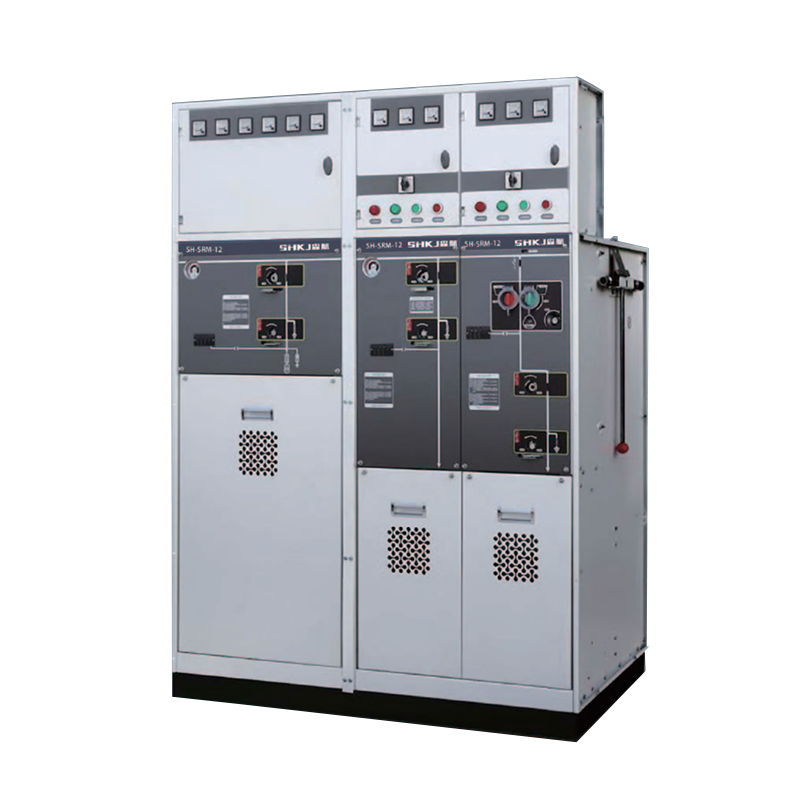
How High Voltage Switchgear Works
The operation of high voltage switchgear involves several coordinated processes.
Step 1 Power Input
Electric power enters the switchgear through incoming feeders.
Step 2 Power Distribution
Power flows through the busbar system and is distributed to outgoing circuits.
Step 3 Monitoring
Current and voltage are continuously monitored by CTs, PTs, and protection relays.
Step 4 Fault Detection
If abnormal conditions occur, protection relays detect the fault.
Step 5 Circuit Interruption
The relay sends a trip signal to the circuit breaker, which interrupts the current and isolates the fault.
This process occurs within milliseconds, protecting both equipment and personnel.
Common Switchgear Closing Faults And Troubleshooting
Despite robust design, switchgear may experience operational issues.
Protection Operation
Protection relays may prevent closing if a fault is detected.
Electrical Interlock Failure
Improper wiring or faulty limit switches may block closing operations.
Mechanical Mechanism Problems
Mechanical wear may affect operating mechanisms.
Control Circuit Faults
Broken wires or damaged control switches can interrupt the control circuit.
Closing Coil Damage
Overheating or electrical faults may damage the closing coil.
Proper diagnostics using multimeters and testing equipment helps identify and resolve these issues quickly.
Choosing A Reliable High Voltage Switchgear Manufacturer
Selecting the right high voltage switchgear manufacturer is essential for ensuring system reliability and long-term performance.
A reputable manufacturer should provide:
- Compliance with IEC standards
- Strict quality control procedures
- Advanced manufacturing technology
- Custom engineering solutions
- Technical support and after-sales service
Professional manufacturers like Beiye Electric focus on delivering reliable high-voltage switchgear systems for power utilities and industrial applications.
Conclusion
High voltage switchgear is a fundamental component of modern electrical infrastructure. By integrating switching devices, protection systems, and monitoring equipment into a metal-enclosed structure, switchgear ensures safe and reliable power distribution.
Understanding the internal structure, components, and working principles of high voltage switchgear helps engineers and decision-makers select the right equipment for their applications.
With proper design, installation, and maintenance, high voltage switchgear systems can operate safely for decades, supporting stable and efficient electrical networks worldwide.
FAQ About High Voltage Switchgear
How Is Switchgear Maintained?
Maintenance includes inspection, cleaning, testing protection relays, and checking insulation.
What Causes Switchgear Failure?
Common causes include insulation breakdown, mechanical wear, and improper operation.
What Is High Voltage Switchgear?
High voltage switchgear is equipment used to control, protect, and isolate electrical circuits operating above 3.6 kV.
What Is Rated Short Circuit Current?
It is the maximum fault current a switchgear device can interrupt safely.
How Long Does High Voltage Switchgear Last?
High quality switchgear can operate for 25–40 years with proper maintenance.
What Is A Current Transformer In Switchgear?
A current transformer measures current and sends signals to protection relays.
Why Are Safety Interlocks Important In Switchgear?
They prevent dangerous operating mistakes that could damage equipment or injure personnel.
What Voltage Is Considered High Voltage Switchgear?
High voltage switchgear generally operates between 3.6 kV and 550 kV.
What Is The Difference Between AIS And GIS Switchgear?
AIS uses air for insulation, while GIS uses SF6 gas for compact high-performance insulation.
What Is The Purpose Of A Circuit Breaker In Switchgear?
The circuit breaker interrupts current during faults to protect electrical equipment.
What Is The Difference Between Switchgear And Switchboard?
Switchgear is used for medium and high voltage systems, while switchboards are typically used in low voltage distribution.


