


Auto Recloser Maintenance: 5 Best Practices to Extend Equipment Life
An auto recloser is a critical asset for any medium voltage overhead network, automatically clearing temporary faults and enhancing reliability. However, this intelligent device requires proactive care. Implementing a strategic maintenance program for your auto recloser is the key to maximizing its lifespan, preventing unplanned outages, and ensuring a strong return on your investment in grid automation.
Why Proactive Maintenance Matters
Auto reclosers are unique because they combine high-voltage interruption mechanisms with sophisticated electronic controls, all often housed in a single enclosure exposed to the elements. Neglecting maintenance can lead to a cascade of problems: from control battery failure and corrupted protection settings to mechanical wear in the operating mechanism that can cause the unit to fail precisely when it is needed most—during a fault. A well-maintained recloser, on the other hand, ensures your power distribution system remains resilient for decades.
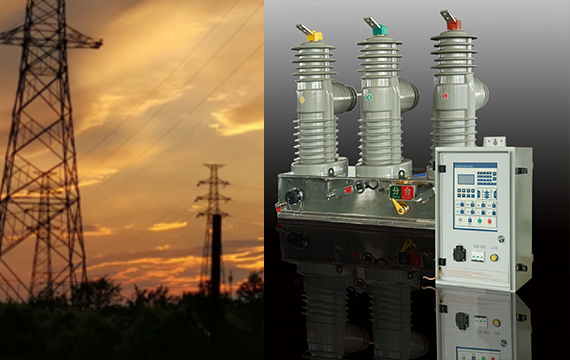
5 Best Practices for Extended Auto Recloser Life
Implementing a routine based on these five core practices will help you identify issues early and keep your automation equipment in peak condition.
| Best Practice | Key Actions | Primary Benefit |
|---|---|---|
| 1. Routine Visual & Mechanical Inspection | Check enclosure seals, desiccants, mechanical linkages; verify Heater operation. | Prevents moisture ingress and mechanical jamming. |
| 2. Electrical & Control System Testing | Test control battery, verify protection settings, perform trip/close tests. | Ensures reliable control power and accurate fault response. |
| 3. Contact Resistance & Insulation Checks | Perform Ductor and Megger tests on the interrupter. | Detects worn contacts and degraded insulation before failure. |
| 4. Cleanliness and Corrosion Prevention | Clean insulators, treat terminals, apply anti-corrosion compounds. | Prevents leakage current, flashovers, and connection degradation. |
| 5. Firmware and Programming Updates | Review event logs, update controller logic and settings. | Maintains coordination with system changes and adds new features. |
Routine Visual and Mechanical Inspection
Begin every maintenance cycle with a thorough visual inspection. For pole-mounted units, check the enclosure for signs of damage, corrosion, or water ingress. Ensure all gaskets and seals are intact; a compromised seal is the fastest path to internal component failure. Inspant desiccant breathers—if they have changed color, they are saturated and must be replaced. Mechanically, operate any manual charging handles or disconnects to ensure the linkage is free and not binding. This simple step can prevent a failure to operate when it matters most.
Electrical and Control System Testing
The intelligence of an auto recloser lies in its control unit. The control battery is a common point of failure; test its voltage and capacity, and replace it per the manufacturer’s schedule, typically every 4-6 years. Next, connect to the controller to download event records and verify all protection settings (overcurrent curves, number of shots, reclose intervals) against your system’s current coordination study. Finally, perform a functional trip and close test from the control unit to verify the entire circuit, from logic to the mechanism’s operation, is sound.
Contact Resistance and Insulation Integrity Checks
While the control system handles logic, the interrupter handles the power. A contact resistance test (ductor test) should be performed across the main contacts. A reading significantly higher than the manufacturer’s specification, or a large imbalance between phases, indicates worn or pitted contacts that will overheat under load. Simultaneously, an insulation resistance test (megger test) between phases and from phase to ground will reveal any deterioration of the internal insulation, which can be caused by moisture, contamination, or age. Catching these issues early allows for planned refurbishment rather than emergency replacement.
Cleanliness and Corrosion Prevention
Outdoor reclosers are constantly battling the environment. Dirt, salt, and industrial pollution can accumulate on the surface of porcelain or polymer insulators. This contamination, when combined with moisture, creates a conductive path that can lead to tracking, flashovers, and even a phase-to-ground fault. Regularly clean the insulators with a suitable cleaner and water. Inspect all terminal connections and control wiring terminations for signs of corrosion. Applying a corrosion-inhibiting compound to exposed terminals can prevent future issues and ensure reliable electrical connections.
Firmware and Programming Reviews
The digital landscape of your grid is not static. As you add new loads, distributed generation (like solar), or downstream automation, the coordination settings of your vacuum circuit breaker-based recloser may need adjustment. During maintenance, review the event logs for any recurring faults or unusual operations that might indicate a changing system condition. Check with the manufacturer, like BEIYE ELECTRIC, for any available firmware updates for the controller, which can offer new protection functions, improve communication capabilities, or resolve known issues. Keeping the programming current ensures your recloser remains a fully integrated and intelligent part of your network.
FAQs
Q1: How often should an auto recloser be maintained?
Typically, a visual inspection is recommended every 1-2 years, while a full maintenance regimen including electrical testing and mechanism lubrication is usually performed every 4-6 years, depending on operating duty and environmental conditions. Always follow the manufacturer’s specific recommendations.
Q2: What is the most common cause of auto recloser failure?
Control system issues, particularly battery failure, are a frequent cause. Mechanical seizure due to lack of lubrication or corrosion, and insulation breakdown from moisture ingress, are also common failure modes.
Q3: Can I perform maintenance on a live auto recloser?
Absolutely not. High voltage is lethal. Always de-energize the recloser, isolate it from all power sources, and follow strict lockout/tagout procedures before any maintenance or testing begins. Only qualified personnel should perform this work.
Q4: How do I know if the vacuum interrupter inside my recloser is still good?
A vacuum loss is difficult to detect visually. It is confirmed through a specific AC or DC high-potential test across the open contacts, as outlined in the maintenance manual. A significant rise in contact resistance can also indicate problems within the interrupter.
Q5: Does BEIYE ELECTRIC offer support for maintaining older recloser models?
Yes, we provide comprehensive after-sales service and support. Our professional technical team can assist with troubleshooting, provide genuine replacement parts, and offer guidance on maintenance procedures for our range of medium voltage equipment. Visit Our Web for more information.
Conclusion
Extending the life of your auto recloser is a matter of consistent, intelligent care. By combining regular mechanical inspections, rigorous electrical testing, and proactive control system updates, you can prevent unexpected failures and ensure decades of reliable, automated service. This not only protects your investment but also guarantees the high level of network reliability your operations depend on. For expert support, genuine replacement parts, or guidance on setting up a maintenance program, partner with the experienced team at BEIYE ELECTRIC. Contact us today to discuss your medium voltage automation needs.


