


Ring Main Unit Definition, Function, Types, Applications, And Market
In this article, we will explore the ring main unit definition, functions, working principles, types, applications, and market trends to help engineers, contractors, and buyers better understand this critical equipment.
Ring Main Unit Definition
What Is Ring Main Unit?
Ring Main Unit (RMU) is a compact medium-voltage switchgear assembly designed for the safe distribution and control of electrical power in ring-type distribution networks.
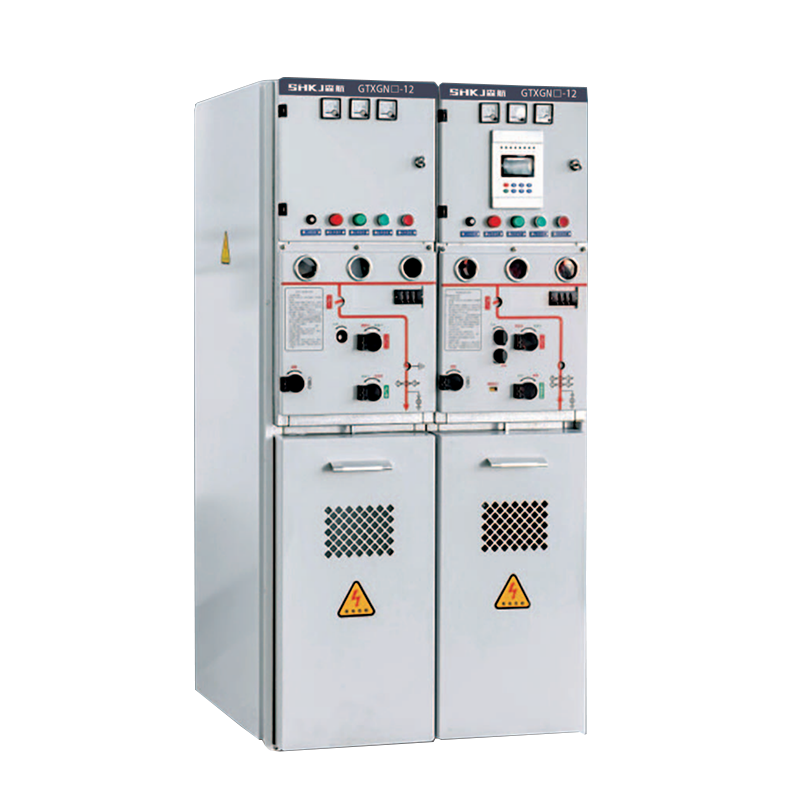
Typically operating at voltage levels ranging from 6kV to 40.5kV, an RMU combines switching, protection, and isolation functions into a single enclosed unit. It allows electricity to be supplied from multiple directions, ensuring continuity of service even if one section of the network experiences a fault.
A standard RMU usually includes:
- Load break switches
- Vacuum circuit breakers
- Fuse-switch combinations
- Earthing switches
- Busbars
- Protection relays
- Monitoring and control systems
Because of its compact structure and operational flexibility, the RMU has become a preferred solution for medium-voltage distribution systems worldwide.
Ring Main Unit Function
The primary purpose of a Ring Main Unit is to provide safe and reliable medium-voltage power distribution.
Its major functions include:
Power Distribution
RMUs distribute electrical power from substations to downstream loads, ensuring efficient power flow throughout the network.
Fault Isolation
When a fault occurs in a cable or feeder section, the RMU can quickly isolate the affected area while maintaining power supply to the rest of the network.
Network Protection
Integrated protection devices detect abnormal conditions such as short circuits and overloads, minimizing equipment damage and reducing outage duration.
Operational Flexibility
Because ring networks can be fed from multiple directions, operators can reroute power during maintenance or emergency situations.
Safety Enhancement
Built-in interlocking systems and fully enclosed compartments help protect personnel from electrical hazards.
Smart Grid Integration
Modern intelligent RMUs support remote monitoring, SCADA communication, and automated control functions for smart distribution networks.
Ring Main Unit Working Principle
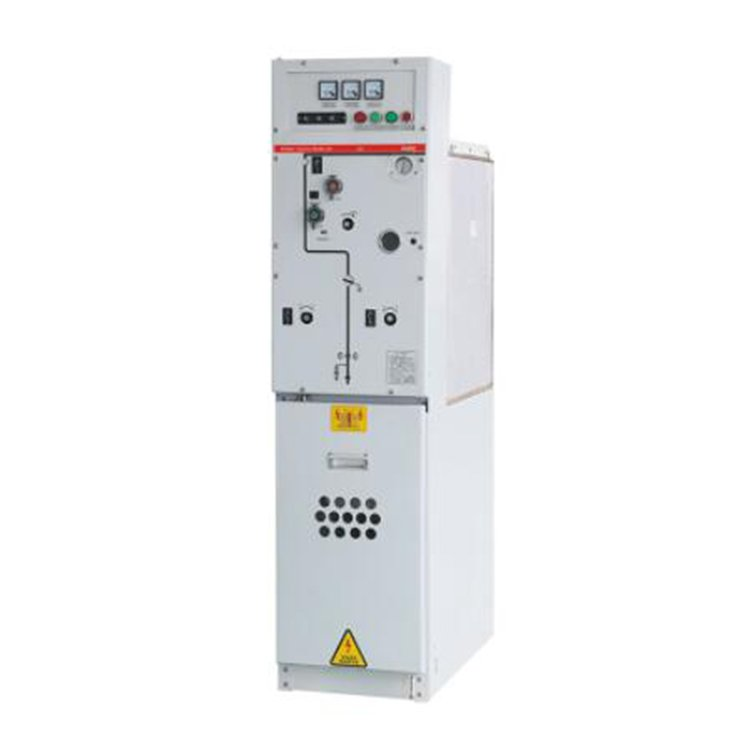
The operating principle of an RMU is based on maintaining a continuous power supply through a ring-shaped distribution network.
In a typical ring network, power can flow from two different directions. If one feeder experiences a fault, the faulty section is isolated by opening the appropriate switches, while electricity continues to flow through the alternate path.
This arrangement significantly improves network reliability and minimizes power interruptions.
The switching devices inside an RMU may use:
- Vacuum interruption technology
- SF6 gas insulation technology
- Solid insulation technology
- Dry-air insulation technology
For a more detailed explanation of RMU operation, please read:
Ring Main Unit Working Principle:
https://www.byyouelec.com/what-is-a-ring-main-unit-in-electrical-distribution-systems/
Ring Main Unit Types
Different applications require different RMU technologies. The most common types include:
| RMU Type | Insulation Medium | Main Advantages | Typical Applications |
|---|---|---|---|
| SF6 Gas Insulated RMU | SF6 Gas | Compact size, high reliability | Urban distribution networks |
| Solid Insulated RMU | Epoxy Resin | Environmentally friendly | Green energy projects |
| Dry Air RMU | Dry Air | SF6-free operation | Sustainable power systems |
| Air Insulated RMU | Air | Lower cost | Industrial facilities |
| Intelligent RMU | Various | Remote monitoring and automation | Smart grids |
SF6 Gas Insulated RMU
This is one of the most widely used RMU designs due to its compact size and excellent insulation performance.
Solid Insulated RMU
Solid insulation technology eliminates greenhouse gases while maintaining high electrical reliability.
Dry Air RMU
Dry-air RMUs are becoming increasingly popular as environmental regulations tighten globally.
Intelligent RMU
Smart RMUs integrate sensors, communication modules, and automation functions to support digital substations and smart grids.
Ring Main Unit Application
RMUs are widely deployed across various industries and power distribution environments.
Urban Distribution Networks
Cities require highly reliable power distribution systems. RMUs help minimize outages and maintain continuous electricity supply.
Industrial Facilities
Factories and manufacturing plants use RMUs to improve power quality and system reliability.
Renewable Energy Projects
Solar farms and wind power stations utilize RMUs to connect medium-voltage feeders and ensure stable grid integration.
Commercial Buildings
Shopping malls, office complexes, hospitals, and data centers benefit from RMU-based distribution systems.
Transportation Infrastructure
Railways, airports, subways, and ports rely on RMUs for dependable power distribution.
Utility Substations
Utilities use RMUs to improve feeder protection and simplify network operation.
Ring Main Unit Market
The global Ring Main Unit market continues to grow due to increasing investments in power infrastructure, renewable energy, and smart grid modernization.
Several factors are driving market demand:
Expansion of Renewable Energy
The rapid growth of solar and wind projects requires reliable medium-voltage distribution solutions.
Urbanization
Growing cities require compact and efficient electrical distribution equipment.
Smart Grid Development
Utilities are increasingly deploying intelligent RMUs with remote monitoring capabilities.
Environmental Regulations
Many countries are promoting SF6-free RMU technologies, accelerating adoption of solid insulated and dry-air RMUs.
Infrastructure Modernization
Aging electrical networks worldwide require replacement and upgrading, creating significant demand for modern RMUs.
Industry analysts expect the global RMU market to maintain steady growth over the next decade, particularly in Asia-Pacific, the Middle East, and emerging economies.
FAQ
Ring Main Unit Vs Switchgear
Difference Between Ring Main Unit And Switchgear
Although RMUs belong to the switchgear family, they are not identical.
| Feature | Ring Main Unit | Conventional Switchgear |
|---|---|---|
| Purpose | Medium-voltage distribution in ring networks | General power control and protection |
| Size | Compact | Larger |
| Installation Space | Minimal | Requires more space |
| Network Configuration | Ring network | Various configurations |
| Automation Capability | High | Depends on design |
| Typical Voltage | 6kV-40.5kV | LV, MV, HV |
An RMU is essentially a specialized form of medium-voltage switchgear optimized for ring distribution systems.
Ring Main Unit Explained
Simply put, a Ring Main Unit is a compact medium-voltage switching device that allows electricity to be distributed through multiple pathways.
Its key advantage is maintaining power continuity. If one section of the network fails, the RMU can isolate the fault and keep the remaining network energized.
This makes RMUs particularly valuable in locations where power interruptions are unacceptable, such as hospitals, industrial plants, transportation systems, and renewable energy facilities.
What Voltage Levels Are Used in Ring Main Units?
Cover common voltage ratings such as 11kV, 12kV, 24kV, and 36kV.
What Are the Main Components of a Ring Main Unit?
Describe load break switches, circuit breakers, busbars, relays, and earthing switches.
How Does a Ring Main Unit Improve Power Reliability?
Explain fault isolation and alternative power supply paths.
What Is the Difference Between an RMU and a Distribution Transformer?
Compare their functions within electrical distribution networks.
Can a Ring Main Unit Be Used in Solar Power Plants?
Discuss applications in photovoltaic and renewable energy projects.
What Is the Difference Between SF6 RMU and Dry Air RMU?
Compare insulation methods, environmental impact, and performance.
Are Ring Main Units Suitable for Outdoor Installation?
Explain indoor and outdoor RMU designs and their applications.
How Often Should a Ring Main Unit Be Maintained?
Provide general maintenance recommendations and inspection intervals.
What Industries Commonly Use Ring Main Units?
Cover utilities, manufacturing, transportation, commercial buildings, and renewable energy sectors.
How Long Does a Ring Main Unit Typically Last?
Discuss expected service life and factors affecting longevity.
What Standards Apply to Ring Main Units?
Introduce common international standards such as IEC 62271.
How Do You Choose the Right Ring Main Unit?
Outline key selection factors including voltage, current rating, and installation environment.
What Is the Difference Between a Ring Main Unit and a Load Break Switch?
Clarify how RMUs integrate multiple switching and protection devices.
Can Ring Main Units Be Customized for Specific Projects?
Discuss OEM and ODM options, communication protocols, and configuration flexibility.
Conclusion
Ring Main Units play a vital role in modern medium-voltage power distribution systems. Their ability to provide reliable switching, fault isolation, network protection, and operational flexibility makes them indispensable for utilities, industries, and infrastructure projects.
With the ongoing growth of renewable energy, smart grids, and urban power networks, the demand for advanced RMU solutions is expected to continue rising worldwide.
As a professional manufacturer of medium-voltage electrical equipment, Beiye Electric provides high-quality SF6 Gas Insulated RMUs, Dry Air Fully Insulated RMUs, Solid Insulated RMUs, Vacuum Circuit Breakers, Compact Substations, and Complete Power Distribution Solutions. With extensive industry experience, OEM/ODM capabilities, and international certifications, Beiye Electric helps customers build safer, smarter, and more reliable electrical networks.


