


Selecting HV Switchgear for Solar and Wind Farms: 7 Key Factors You Must Consider
The rapid growth of renewable energy depends on reliable power collection and grid interconnection. Selecting the right high voltage (HV) switchgear for your solar or wind farm is a critical decision that impacts safety, efficiency, and long-term profitability. This guide outlines seven essential factors to evaluate when choosing medium voltage (10kV-35kV) switchgear for your next clean energy project.
Why Switchgear Choice Matters in Renewables
Unlike conventional power plants, solar and wind farms are distributed, weather-dependent, and often located in harsh environments. The HV switchgear acts as the vital interface between power generation assets and the grid. Making the wrong choice can lead to excessive downtime, difficult maintenance, and failure to meet stringent grid code compliance requirements. A strategic selection process is therefore an investment in your project’s bankability.
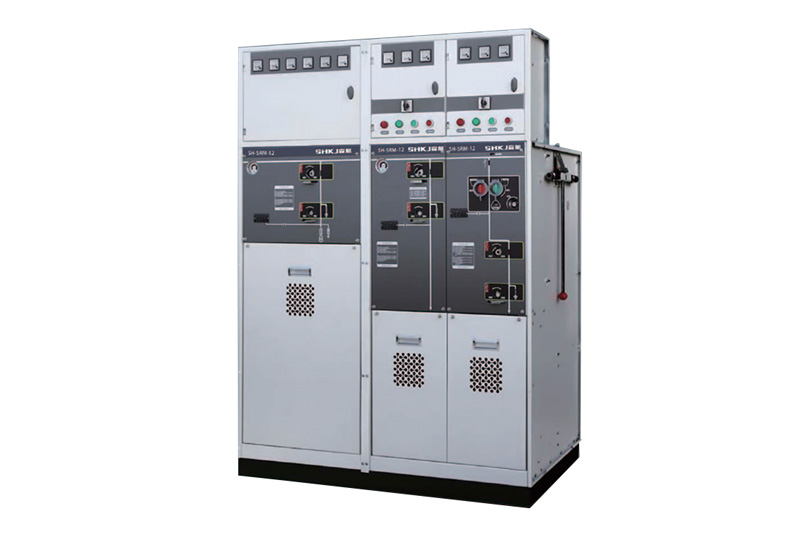
7 Key Factors for Selecting HV Switchgear
To ensure optimal performance and return on investment, your evaluation must go beyond basic voltage and current ratings. The following table summarizes the critical factors you must consider.
| Key Factor | What to Evaluate | Why It Matters for Renewables |
|---|---|---|
| 1. Voltage and Insulation Level | System voltage (e.g., 12kV, 24kV, 36kV); BIL rating. | Must match collection network and grid connection point; ensure resilience to switching surges. |
| 2. Short-Circuit Withstand Capacity | Rated short-time withstand current (kA) and duration. | Protects equipment from high fault currents possible in large collector networks. |
| 3. Environmental Robustness | Enclosure rating (IP), temperature range, corrosion resistance. | Outdoor solar farms and coastal wind farms demand high durability against dust, moisture, and salt. |
| 4. Switching Technology Type | Vacuum circuit breaker vs. SF6 gas-insulated vs. load break switch. | Impacts maintenance needs, environmental footprint, and lifecycle cost. |
| 5. Protection and Control Integration | Relay functionality, communication protocols (IEC 61850). | Essential for fast fault clearance, remote monitoring, and smart grid integration. |
| 6. Footprint and Installation Flexibility | Dimensions, indoor vs. outdoor design, cable entry options. | Critical for space-constrained sites like rooftop solar or densely packed wind turbine bases. |
| 7. Compliance and Certification | IEC/IEEE standards, grid code certifications. | Mandatory for utility interconnection and project financing approval. |
Voltage and Insulation Level
The first technical consideration is matching the switchgear to your farm’s collection voltage and the grid interconnection point. For a typical solar farm, this might be 34.5kV, while a wind farm could use 33kV or 35kV. However, you must also consider the Basic Insulation Level (BIL) . Renewable projects often involve long cable runs, and the switching of inverter systems or turbine transformers can generate significant voltage surges. Switchgear with an adequately high BIL rating ensures the insulation system can withstand these transient overvoltages without failure, guaranteeing long-term dielectric integrity.
Short-Circuit Withstand Capacity
A large renewable farm aggregates power from many units, which can contribute to high potential fault currents. The switchgear must be rated to safely withstand and interrupt the maximum prospective short-circuit current at its point of installation. This rating, expressed in kA for a specific duration (e.g., 25kA for 3 seconds), ensures that in the event of a fault, the vacuum circuit breaker inside the switchgear can clear the fault without being damaged or welding its contacts closed. Underestimating this factor is a direct safety risk.
Environmental Robustness
Renewable energy assets are often sited where the resource is best—which means deserts, mountain ridges, or offshore wind locations. For a solar farm in a dusty plain, switchgear needs a high ingress protection rating (like IP54 or higher) to seal out dust and prevent overheating. For a coastal wind farm, corrosion resistance is paramount; this may require stainless steel enclosures or special anti-corrosion coatings on all metallic parts. Always specify the enclosure and finishes based on the specific micro-climate of your project site, not just a generic “outdoor” rating.
Switching Technology Type
The choice between different interruption technologies has long-term implications. SF6 gas-insulated switchgear is compact and sealed, ideal for harsh environments, but SF6 is a potent greenhouse gas, leading to regulatory and sustainability concerns. Modern alternatives like clean air-insulated or solid dielectric switchgear are emerging. However, for most 10kV-35kV applications in renewables, vacuum circuit breaker technology within a metal-enclosed switchgear assembly offers an excellent balance: it is compact, requires minimal maintenance, has zero direct environmental impact, and provides reliable performance for the high number of switching operations seen in renewable applications.
Protection and Control Integration
Modern renewable farms are not just power generators; they are intelligent assets that must communicate with grid operators. Your HV switchgear must be equipped with advanced protection relays capable of implementing the complex grid code requirements (e.g., low-voltage ride-through, reactive power control). Furthermore, the switchgear should support modern communication protocols like IEC 61850, which enables high-speed peer-to-peer communication for fast protection schemes and seamless integration with the plant’s SCADA system for remote monitoring and control.
Footprint and Installation Flexibility
Space is often at a premium, whether it’s the base of a wind turbine or the central inverter station of a solar farm. Consider the physical footprint of the switchgear. Ring main units are often used for smaller wind turbine connections, while larger central switchgear line-ups are needed for the main collection substation. Evaluate whether a compact, modular design can reduce civil works costs. Also, consider cable entry options—top or bottom entry can significantly affect installation complexity and cost depending on whether you are using underground or overhead cabling.
Compliance and Certification
Finally, and most critically for project financing and grid connection, the switchgear must be fully certified. It must comply with relevant international standards like IEC 62271 or IEEE C37. Furthermore, it must hold specific type test certificates from an independent, authoritative testing institution. For many projects, the equipment must also be pre-approved by the local utility or grid operator. Choosing a manufacturer with a track record of supplying to major utilities (like CSG and SGCC) and with all products certified by recognized bodies provides the assurance needed to satisfy lenders, insurers, and grid authorities.
FAQs
Q1: What is the difference between switchgear and a ring main unit (RMU) for a wind farm?
A ring main unit is a specific type of switchgear used to create a looped distribution network. In a wind farm, RMUs are often used to connect individual turbines in a string, providing switching and protection for each turbine while maintaining the ring topology. Central substations use larger, more complex switchgear assemblies.
Q2: Can I use indoor switchgear outdoors for a solar farm if I build a shelter?
Yes, but this requires careful design. The shelter must provide adequate environmental protection (equivalent to the switchgear’s required IP rating), ventilation for heat dissipation, and safe access for operation. It is often simpler and more reliable to specify properly rated outdoor switchgear from the start.
Q3: How does the high number of switching operations in a solar farm affect switchgear?
Solar farms can experience frequent switching due to cloud cover or daily start/stop cycles. This is why vacuum circuit breaker technology is preferred, as it is designed for a high number of operations with minimal contact wear, unlike some older technologies like oil or air-break switches.
Q4: What is a “grid code” and why does my switchgear need to comply?
A grid code is a set of technical requirements established by the utility or grid operator that all connected generators must follow. These rules cover areas like voltage/frequency tolerance, power quality, and fault ride-through capability. Your switchgear’s protection and control system must be programmed to ensure the entire plant complies with these mandatory rules.
Q5: Does BEIYE ELECTRIC provide switchgear specifically for renewable energy projects?
Yes. As a specialist in 10kV-35kV equipment, we design our vacuum circuit breakers, ring main units, and associated switchgear to meet the unique demands of solar and wind applications. Our products are certified by authoritative institutions and backed by a team with over 15 years of experience. Visit Our Web to learn more.
Conclusion
Selecting HV switchgear for solar and wind farms is a multi-faceted decision that extends far beyond basic electrical specs. By carefully evaluating voltage levels, environmental demands, switching technology, protection needs, and compliance, you ensure a reliable, long-lasting, and grid-compliant power collection system. This careful selection protects your investment and maximizes the lifetime energy yield of your renewable asset. For expert guidance and certified, high-quality medium voltage switchgear solutions, partner with BEIYE ELECTRIC. Contact us today to discuss the specific needs of your next project.


