


Complete Guide to High Voltage Switchgear in 2026
High-voltage switchgear, as a critical piece of equipment in power systems, not only affects the reliability of power supply but also directly impacts operating and maintenance costs and long-term profitability.
Complete Guide To High Voltage Switchgear In 2026
Is Standard For Hv Switchgear?
In 2026, the high-voltage switchgear industry will see a series of important standard updates, which will directly impact equipment design, production, and procurement decisions. Most notably, the GB/T 45932-2025 standard will officially come into effect on January 1, 2026.
This new standard defines the terminology and definitions for high-voltage DC switchgear and control equipment, and specifies requirements for operating conditions, ratings, design, and structure. For purchasers, this means that from 2026 onwards, all purchased high-voltage switchgear should comply with this latest national standard.
Standard updates are not only occurring at the national level, but industry standards are also constantly evolving.
High Voltage Switchgear Components
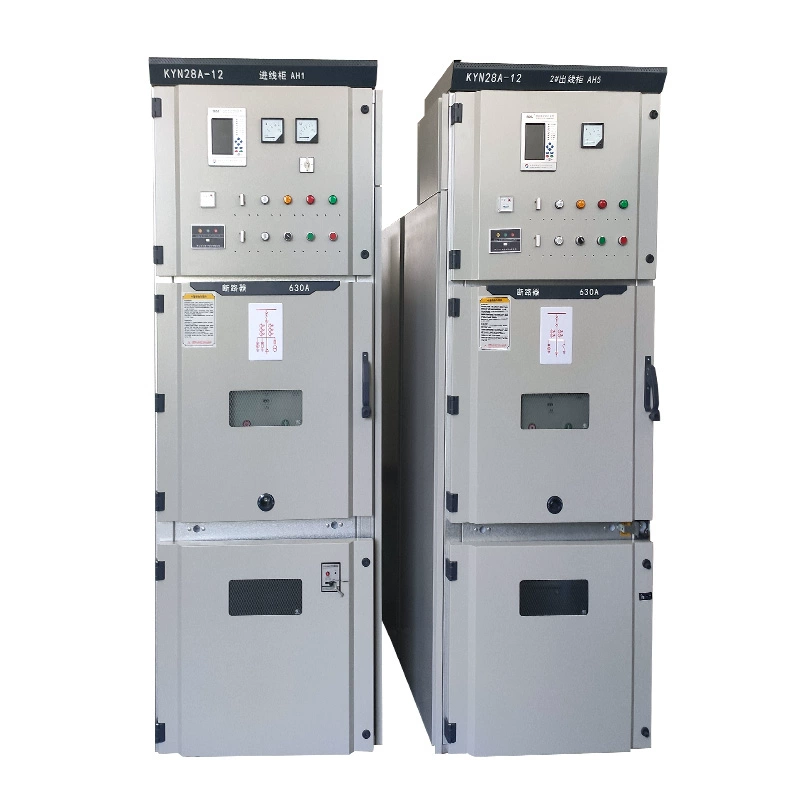
A complete high-voltage switchgear consists of multiple key components working together, each performing a specific function. Understanding these components helps purchasers more accurately assess product quality and performance.
The interrupting device is the “heart” of the high-voltage switchgear, including components such as the main arc chamber, main contact system, and main conductive circuit. Its core function is to safely isolate the power supply and interrupt the circuit when needed. Modern interrupting devices employ various arc extinguishing technologies, from traditional oil-blast arc extinguishing to advanced vacuum arc extinguishing and sulfur hexafluoride gas arc extinguishing.
Insulation support components ensure reliable insulation to ground and between phases for the interrupting device, while also withstanding operating forces and various external forces. These components are typically made of porcelain columns, porcelain bushings, or insulating tubes, providing the necessary electrical isolation in high-voltage environments.
The drive system is responsible for transmitting operating commands and power to the contacts and other components of the interrupting device. This system includes various mechanical connecting parts such as connecting rods, gears, and cranks, as well as power transmission channels such as hydraulic pipes and compressed air pipes.
The base serves as the foundation for the entire product, supporting all other components of the switchgear. A robust and reliable base is crucial for ensuring the long-term stable operation of the equipment.
The operating mechanism provides energy for the opening and closing operations of the interrupting device and performs various specified operations. Common types of operating mechanisms include spring, hydraulic, electromagnetic, pneumatic, and manual mechanisms, each with its specific application scenarios and advantages and disadvantages.
Where Is High-Voltage Switchgear Used?
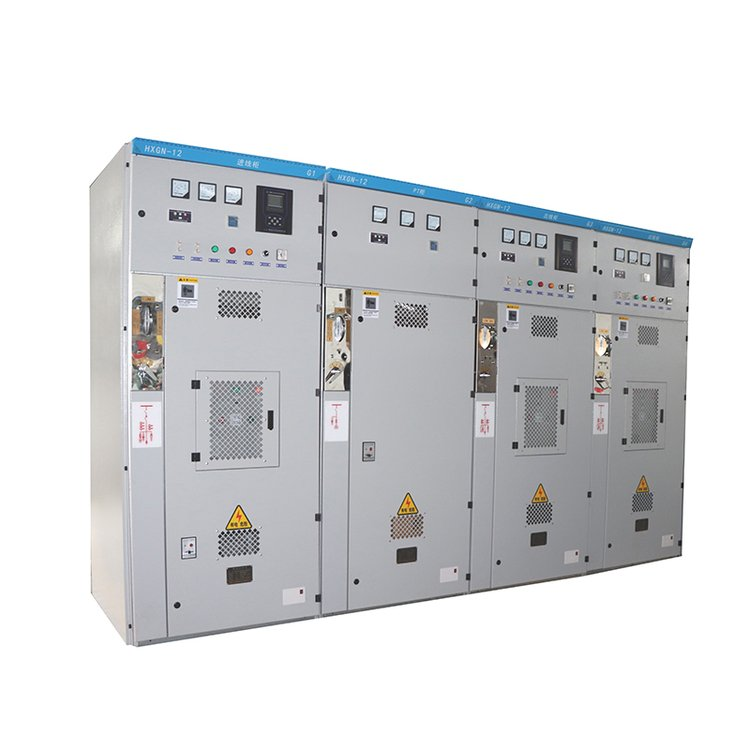
From urban power grids to remote wind farms, high-voltage switchgear plays a crucial role in various power applications. Understanding these application scenarios can help buyers better match equipment to project needs.
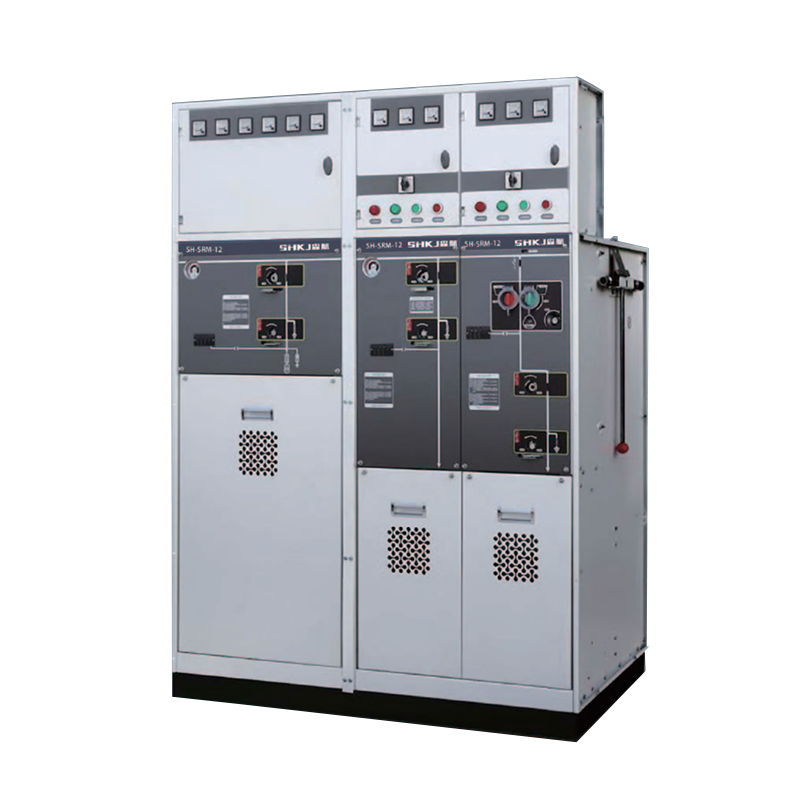
In urban power distribution systems, compact ring main unit (RMU) high-voltage switchgear is widely used for power distribution and protection control in 10kV distribution systems. These devices are characterized by their compact structure, small size, and high reliability, making them particularly suitable for space-constrained urban environments.
The new energy sector is one of the fastest-growing application markets for high-voltage switchgear. For example, Ningbo Naisen Electric Technology Co., Ltd. has developed 72.5 kV gas-insulated switchgear specifically for offshore wind and solar power projects. These devices need to withstand harsh marine environments, including high humidity, high salt spray, and strong vibrations.
In the ultra-high voltage transmission field, 1100kV gas-insulated metal-enclosed switchgear (GIS) is a critical component for ensuring the safe and stable operation of the power grid. These devices are typically used in large substations and inter-regional transmission projects, requiring extremely high technical standards and representing the highest level of switchgear manufacturing.
Industrial power distribution is another important application area. According to Baidu Encyclopedia, the rated operating voltage of high-voltage switchgear is generally 10kV, with a maximum operating voltage of 12kV, a rated closing current ≥63kA, and a breaking current ≥25kA. These parameters allow them to meet the power needs of most industrial facilities.
High-voltage switchgear has a very wide range of applications. The following are the main application scenarios and characteristics of switchgear at different voltage levels:
| voltage level | Typical application scenarios | Common types | Key technical requirements |
| 10-12kV | Urban power distribution, industrial park power supply | Box-type ring main unit (American/European style) | Compact structure, high reliability, and easy operation |
| 40.5-72.5kV | New energy power stations, offshore wind power | Inflatable switchgear | Resistant to corrosion and vibration, with strong environmental adaptability |
| 110-126kV | Regional substation, large-scale industry | GIS/HGIS, vacuum circuit breaker | High reliability, intelligent monitoring, and easy maintenance |
| 550-800kV | Cross-regional power transmission, backbone network | Gas-insulated metal enclosed switchgear | High-capacity interruption, seismic performance, long lifespan |
| 1100kV and above | UHV transmission project | GIS (Gas Insulated Metal Enclosed) | Reliability, intelligent monitoring, standardized maintenance |
How Does A High-Voltage Switchgear Work?
The working principle of high-voltage switchgear is based on complex electrical and mechanical systems. Understanding these principles helps purchasers more accurately evaluate equipment performance and safety.
When the circuit needs to be disconnected, the operating mechanism receives a signal and drives the contacts to separate. At the moment of separation, a high-temperature electric arc is generated between the contacts. If not extinguished promptly, this can lead to equipment damage or even safety accidents. This is where the arc extinguishing device comes into play.
Based on the different arc extinguishing media, modern high-voltage switchgear mainly employs the following arc extinguishing technologies: sulfur hexafluoride (SF6) gas arc extinguishing utilizes the high insulation strength and excellent arc extinguishing performance of SF6 gas; vacuum arc extinguishing utilizes a high vacuum environment to quickly extinguish the arc; and compressed air arc extinguishing uses a high-pressure airflow to blow out the arc.
Taking vacuum arc extinguishing as an example, when the contacts in the vacuum interrupter separate, the resulting arc is formed by metal vapor evaporated from the electrode spots. When the current passes through zero, the electrode spots disappear, and the arc is extinguished. Subsequently, the metal vapor in the arc gap rapidly diffuses, and the dielectric strength quickly recovers, preventing the arc from reigniting.
During the closing operation, the operating mechanism drives the contacts to close quickly, ensuring good contact and reducing contact resistance and heating. Modern high-voltage switchgear is usually equipped with intelligent control and protection systems that can monitor parameters such as current and voltage in real time, and act quickly in abnormal situations to protect the power system and equipment safety.
What Is The Highest Voltage Range Of Switchgear?
The voltage levels of high-voltage switchgear are constantly setting new records, reflecting the cutting-edge developments in the power industry. Understanding these highest voltage level devices helps purchasers grasp industry trends.
According to the GB/T 45932-2025 standard, this document applies to DC switchgear and control equipment designed for indoor or outdoor installation and operating on high-voltage DC systems with a voltage of 1.5 kV and above.
For purchasers, understanding these technological breakthroughs at the highest voltage levels not only helps them grasp industry development trends but also provides a reference for potential future high-voltage requirements.
High Voltage Switchgear Maintenance Requirements
This is a maintenance strategy based on the actual operating conditions of high-voltage switchgear. The maintenance cycle is not fixed, but dynamically adjusted based on the results of daily inspections, online monitoring, and expert assessments. Maintenance is mainly divided into three categories:
Category A maintenance (complete disassembly and overhaul): A comprehensive and in-depth disassembly, inspection, and repair of the equipment.
Category B maintenance (partial disassembly and repair): Disassembly and repair of a critical part of the equipment.
Category C maintenance (routine inspection and maintenance): Daily routine inspections, tests, and maintenance.
How To Choose HV Switchgear Manufacturers
Evaluating technical capabilities and innovation capacity is the primary factor in selecting a manufacturer.
Product quality certification and compliance with standards are another key consideration.
The manufacturer’s industry experience and successful case studies are also important references.
After-sales service and technical support capabilities should not be overlooked. Especially for critical equipment like high-voltage switchgear, rapid emergency response and professional technical support are crucial. Buyers should assess the manufacturer’s service network, spare parts inventory, and emergency response speed.
The total cost of ownership, not just the initial purchase price, should be a key basis for procurement decisions. Besides the equipment price, installation costs, maintenance costs, energy consumption, and potential upgrade and modification costs need to be considered. A competitive total cost of ownership is the truly economical choice.
FAQ
Is 33KV MV or HV?
The classification of 33kV depends on your regional standards:
In the UK and regions following BSI/Euronorms (IEC influence): Voltages above 1,000V AC are typically classified as High Voltage (HV). Therefore, 33kV is considered HV.
In the US and some other regions: The term Medium Voltage (MV) is commonly used for the distribution layer between about 1kV and 30-52kV. In this context, 33kV falls under MV.
Fixed Type Or Withdrawable Switchgear?
The choice depends on the required function, maintenance needs, and operational flexibility.
Fixed Type Switchgear: Circuit breakers or contactors are permanently bolted to the busbar and cable connections. Isolation for maintenance requires manually disconnecting the main power connections.
Withdrawable (Draw-out) Switchgear: The circuit breaker or contactor is mounted on a moveable chassis. It can be racked in (connected) and racked out (disconnected) without touching the main cable or busbar terminations. A key safety feature is that the earthing switch is typically interlocked to close only when the breaker is in the fully withdrawn/test position.
Basic Safety Rules For Operating Switchgear?
Adherence to these rules is critical for personnel and equipment safety:
Qualified Personnel Only: Switching must be performed only by authorized, trained personnel (electrical operators or engineers).
What Checks Are Needed Before Energization?
Visual & Mechanical: Confirm all covers are closed, terminations are tight, safety barriers are in place, and no tools or foreign objects are left inside. Check insulation medium levels (e.g., SF6 gas, oil).
Electrical & Protection: Verify that Current Transformer (CT) circuits are not open and Voltage Transformer (VT) circuits are closed. Restore all control, alarm, and protection wiring links. Perform a trip test from the protection relay at the test position.
Site Safety & Documentation: Cancel all Permits to Work (PTW). Ensure the area is clear of unauthorized personnel. Have fire extinguishers and first-aid kits accessible. Study and understand the switching program.
How To Handle Overheating Or Abnormal Sound?
Monitor Load: Check ammeters for excessive current.
Increase Inspection: If abnormal but not critical, monitor frequency and severity.
Prepare for Outage: Plan to de-energize the circuit at the earliest safe opportunity for investigation.
Emergency De-energization: If accompanied by severe arcing noise, burning smell, or visible distress, initiate an emergency shutdown following safety procedures.
High Voltage Switchgear VS Traditional Switchgear
Traditional Air-Insulated (AIS): Uses ambient air as the primary insulation. Components are mounted on structures with large clearances. It is widely used, especially outdoors, but occupies more space.
Modern Gas-Insulated (GIS): Uses SF6 gas (or alternatives) for insulation, allowing live parts to be sealed inside pressurized metal enclosures. This makes the equipment extremely compact, suitable for indoor or space-constrained sites, and highly reliable in polluted environments.
Conclusion
When purchasing high-voltage switchgear, in addition to technical parameters, it is crucial to consider the long-term reliability and ease of maintenance of the equipment.
As a professional manufacturer with many years of experience in the industry, Beiye Electric is committed to providing customers with high-voltage switchgear solutions that meet the latest standards, are technologically advanced, and highly reliable. Our technical team is ready to provide support whenever you need professional advice or detailed product information.


