

What are the advantages of using GlS(Gas-Insulated Switchgear)?
You’re evaluating switchgear options, balancing upfront costs with long-term operational security, and the name GIS (Gas-Insulated Switchgear) keeps coming up. It’s not just industry chatter; the shift towards GIS technology is a calculated response to real-world grid challenges. Let’s cut through the technical jargon and explore what makes Gas-Insulated Switchgear a compelling, future-ready investment for your next project.
What are the advantages of using GIS (Gas-Insulated Switchgear)?
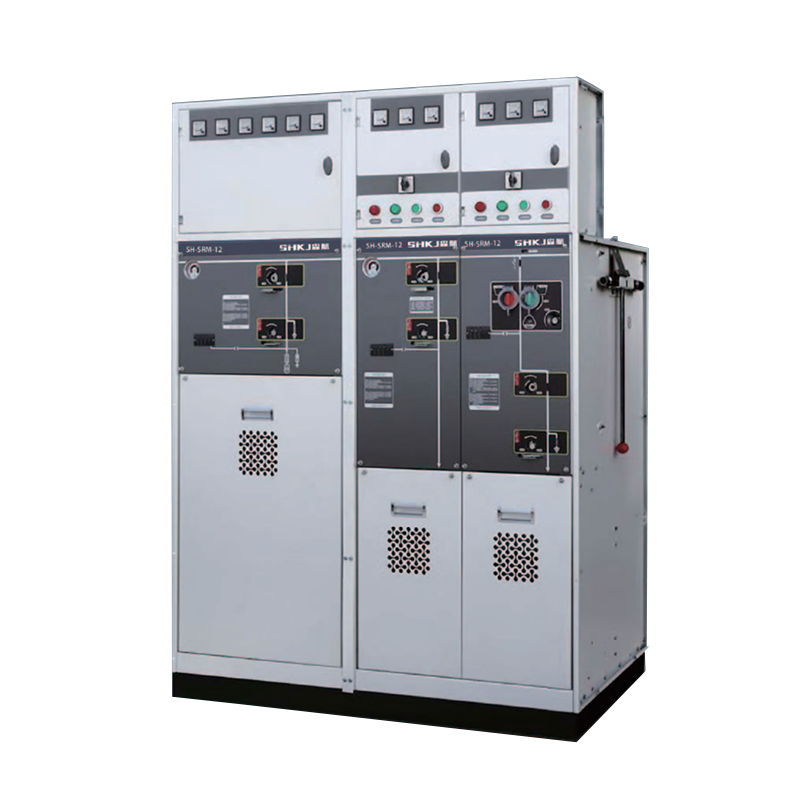
Simply put, GIS consolidates and enhances the functionality of traditional Air-Insulated Switchgear (AIS) into a fraction of the space, using a sealed environment with sulfur hexafluoride (SF6) gas for superior insulation and protection. The advantages are transformative, touching on everything from real estate savings to unprecedented reliability in tough conditions.
Core Advantages That Redefine Substation Design
Imagine drastically shrinking your substation footprint while simultaneously boosting its resilience. That’s the GIS proposition. For projects in urban centers, mountainous regions, or industrial hubs, the benefits aren’t just incremental—they’re game-changing.
Space Optimization: The Ultimate Urban Solution
This is the headline feature, and for good reason. By housing all live components—circuit breakers, disconnectors, earthing switches, and busbars—in compact, sealed metal enclosures filled with SF6 gas, GIS eliminates the need for large air gaps. The result? A spatial footprint often just 10-25% of a comparable AIS setup. For a city like Hong Kong or a dense industrial plant where land costs are astronomical, this isn’t just convenient; it’s the only viable option. Think of indoor substations tucked into basements or multi-story electrical buildings—GIS makes this possible. Beiye Electric has leveraged this exact advantage in projects where client land was at an absolute premium, delivering full-capacity substations in spaces previously deemed unusable.
 Unmatched Reliability & Minimal Maintenance
Here’s where the sealed system shines. The SF6 gas and the hermetic enclosure create a controlled environment, completely isolating the critical components from external threats. Dust, salt, pollution, moisture, even small animals—all the common culprits of faults in outdoor AIS are locked out. This leads to a dramatic reduction in contact oxidation and corrosion. Maintenance needs shift from frequent, extensive cleaning and inspection of exposed parts to scheduled monitoring of gas pressure and integrity. Your operational expenditure drops, and your peace of mind soars, especially for installations in coastal or heavily polluted industrial areas.
Superior Safety for Personnel and Public
Safety is non-negotiable. With all high-voltage parts enclosed, the risk of accidental contact is virtually eliminated during normal operation. This is a major advantage for substations in public areas or within buildings. The solid earthed metal enclosure also contains any internal arc faults, directing the energy and by-products safely through pressure relief devices. For you as a buyer, this means a safer site, reduced liability, and a system that aligns with the highest international safety standards—a commitment Beiye Electric builds into every GIS unit.
Environmental Resilience & Flexibility
Weather is no longer a design constraint. GIS is impervious to rain, snow, ice, wind, and extreme temperature fluctuations. This allows for incredibly flexible installation: indoor, outdoor, on rooftops, or even in underground networks. It enables power infrastructure to be placed exactly where it’s needed most, not just where the weather allows. I’ve seen projects where this resilience prevented weeks of potential downtime during severe monsoon seasons, a value that far exceeds any initial cost differential.
Long-Term Cost-Effectiveness & Aesthetics
Look beyond the sticker price. While the initial investment for GIS can be higher, the Total Cost of Ownership (TCO) tells a different story. Factor in the massive savings on land, reduced construction costs for smaller buildings or foundations, lower maintenance labor and costs over a 30+ year lifespan, and minimal outage-related losses. Furthermore, its compact and tidy appearance allows for better integration into sensitive environments, avoiding the visual impact of large open substations—a growing concern for many communities and corporations.
GIS vs. AIS: A Quick Comparison
The table below summarizes the key differences to aid your decision-making process:
| Feature | Gas-Insulated Switchgear (GIS) | Air-Insulated Switchgear (AIS) |
|---|---|---|
| Footprint | Extremely Compact (10-25%) | Large, Sprawling |
| Installation Environment | Indoor, Outdoor, Any Climate | Primarily Outdoor, Weather-Dependent |
| Maintenance Cycle | Long Intervals (Sealed System) | Frequent (Exposed Components) |
| Environmental Immunity | High (Sealed from Contaminants) | Low (Exposed to Elements) |
| Initial Capital Cost | Higher | Lower |
| Long-Term TCO | Generally Lower | Generally Higher |
Addressing Your Key Concerns: GIS FAQs
What about SF6 gas and environmental regulations?
It’s a critical question. SF6 is a potent greenhouse gas. The industry’s responsible response is two-fold: first, ensuring absolutely leak-tight systems to prevent emissions during operation (modern GIS is exceptionally tight). Second, implementing strict handling and end-of-life recycling protocols. Beiye Electric adheres to these global best practices, ensuring environmental stewardship throughout the product lifecycle.
Is GIS more difficult to repair than AIS?
Repairs can be more specialized due to the sealed nature, but here’s the trade-off: they are far less frequent. Faults are rare. When intervention is needed, trained technicians with proper equipment can isolate and replace modular sections efficiently. The focus shifts from constant repair to highly reliable operation.
For what voltage ratings is GIS typically used?
While it shines and is most common at high and ultra-high voltages (72.5kV and above), GIS technology is now increasingly viable and popular for medium voltage applications (like 24kV or 36kV) in space-critical urban and industrial projects.
Can GIS be expanded or modified easily?
Yes, absolutely. Modern GIS is designed with modularity in mind. Extending a busbar or adding a new feeder bay can be done with relative ease compared to the spatial and clearance headaches of expanding an outdoor AIS substation.
How long is the typical service life of a GIS?
With proper maintenance, you can expect a service life of 40 years or more. The sealed environment protects the components from degradation, making it a long-term asset for your grid.
Conclusion & Your Next Step
Choosing switchgear is a strategic decision that impacts your operations for decades. The advantages of GIS—radical space savings, fortress-like reliability, enhanced safety, and lower lifetime costs—present a compelling case for any modern, resilient power network. It’s the clear choice for dense urban infill, critical industrial facilities, and environmentally challenging locations.
Don’t just upgrade your substation; future-proof it. Evaluate your project’s specific site constraints, environmental factors, and long-term operational goals. Then, partner with a manufacturer that delivers proven reliability and innovation. Explore Beiye Electric’s portfolio of advanced, reliable GIS solutions tailored for demanding applications. Reach out to our team today to discuss how we can configure the ideal system for your next project.
AI-assisted content is for reference only; please verify carefully.


